2026 Best Filing Cabinet How to Choose the Right One?
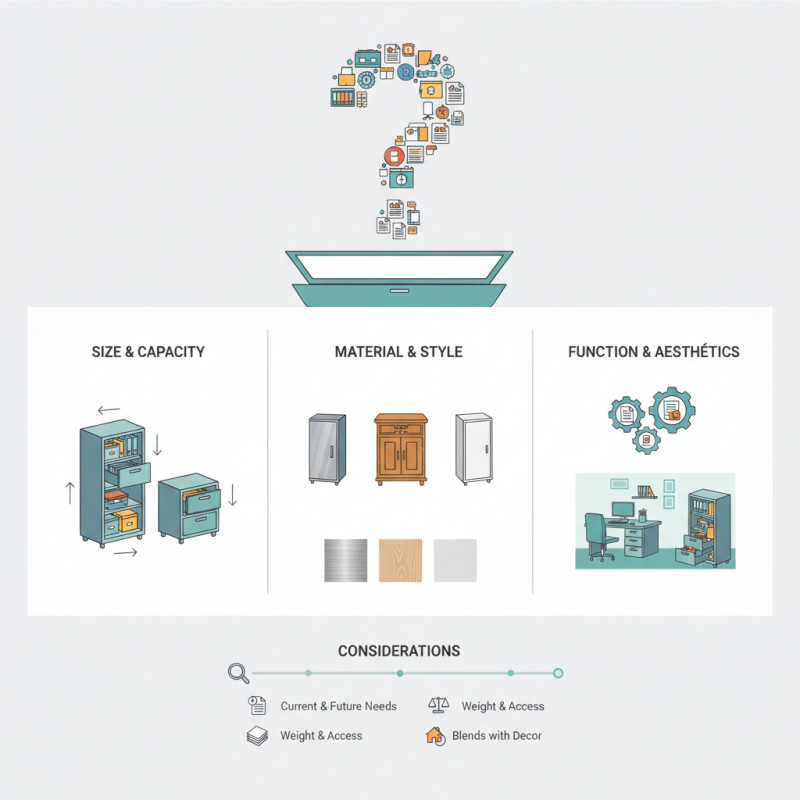
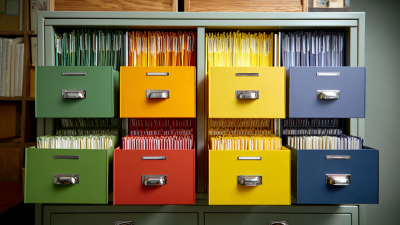
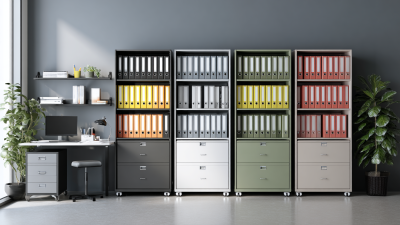
Choosing the right filing cabinet can make a significant difference in organizing your workspace. A good filing cabinet not only boosts efficiency but also enhances your overall office aesthetics. With various types on the market, it’s essential to consider your needs carefully.
Filing cabinets come in different sizes, materials, and styles. Think about what items you will store. Will you need extra space for future files? Assess the weight and ease of access, too. Sometimes, you might overlook how a cabinet can blend with your existing decor.
It’s easy to focus solely on functionality. However, aesthetics matter. A filing cabinet can reflect your style and influence your workspace's mood. Consider your options carefully and remember that a poor choice may lead to clutter and frustration. Choose wisely, and your filing cabinet can be an asset.
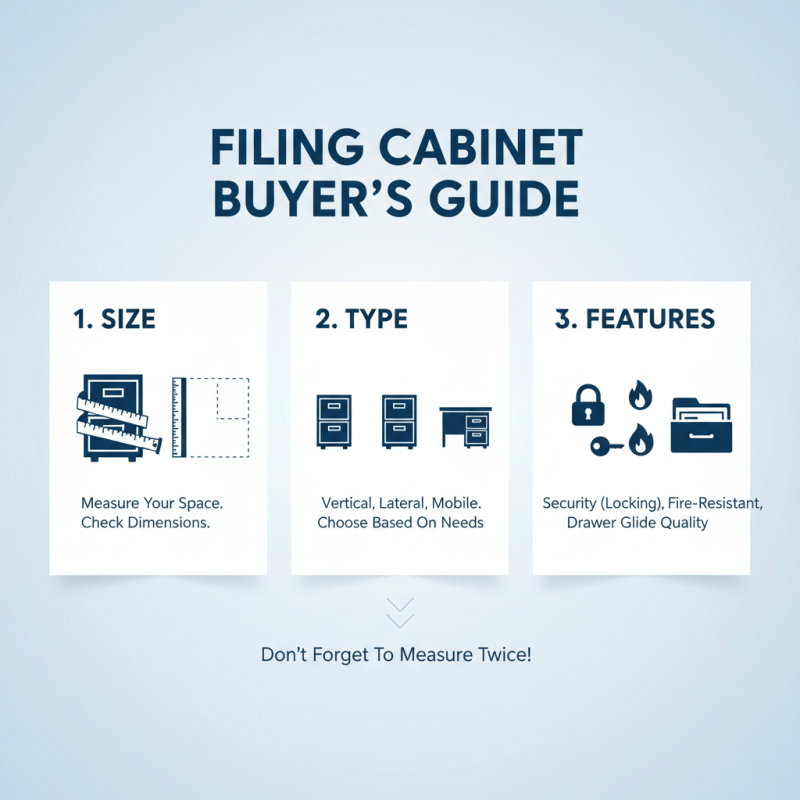
Types of Filing Cabinets and Their Suitable Uses
Choosing the right filing cabinet can greatly enhance your workspace efficiency.
Different types are designed for various storage needs.
Vertical cabinets, for instance, save space and fit well in tight areas.
They often hold standard letter-sized documents.
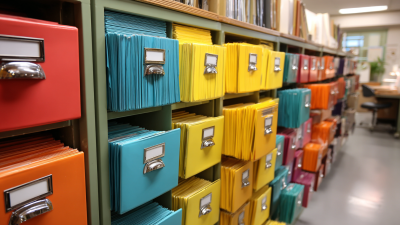
For larger files, consider lateral cabinets.
They allow for easy access to wide documents.
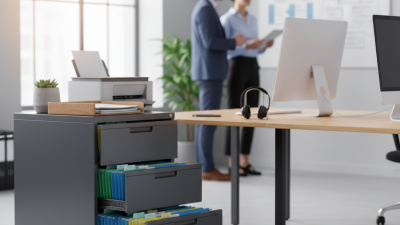
Mobile filing cabinets are a flexible option, bringing organization wherever needed.
They fit under desks and can move with you.
These are ideal for small, dynamic workspaces.
You might find yourself reconsidering your needs as your project scales.
Tips: Always assess your document volume before selecting.
Think about accessibility too.
If papers are hard to reach, they may become lost.
Optimize your storage system as your work evolves.
Embrace the process; it can be messy, but that’s part of growing.
How to Measure Your Space for an Ideal Filing Cabinet Fit
Choosing the right filing cabinet involves more than just styles and functionalities. Properly measuring your space is crucial. According to industry data, 30% of office space remains underutilized due to poor planning. To avoid this, start by assessing the area where you intend to place the cabinet.
Use a measuring tape to measure the height, width, and depth of the space. Ensure there’s enough clearance for drawers to open fully. Consider the layout of your office as well. An inconvenient location disrupts workflow. Aim for easy access without overcrowding other areas.
Be aware of common mistakes. Many people ignore door swings or nearby obstacles. This oversight can lead to frustration. Taking the time to visualize the placement can improve your choices. In fact, experts suggest that thoughtful planning can enhance productivity by up to 25%. The right dimensioning leads to a more organized workspace. Aim for a cabinet that suits your unique requirements.
2026 Best Filing Cabinet - How to Choose the Right One? - How to Measure Your Space for an Ideal Filing Cabinet Fit
| Cabinet Type |
Dimensions (L x W x H) |
Drawer Capacity (Files) |
Material |
Weight |
| Vertical Filing Cabinet |
24" x 18" x 52" |
30 Files |
Steel |
75 lbs |
| Lateral Filing Cabinet |
36" x 18" x 30" |
36 Files |
Metal |
60 lbs |
| mobile File Cabinet |
15" x 20" x 25" |
15 Files |
Wood |
30 lbs |
| Vertical 4-Drawer Cabinet |
18" x 24" x 48" |
40 Files |
Steel |
80 lbs |
Materials and Durability: Making the Right Choice
When selecting a filing cabinet, the material and durability can significantly impact its long-term performance. Metal filing cabinets often provide enhanced security and resistance to wear. A study by the American Furniture Manufacturers Association indicates that metal cabinets last, on average, 3 to 5 years longer than wooden ones. However, wooden cabinets can offer aesthetic appeal. They add warmth to office spaces. It's vital to consider which aspect is more important for your needs.
The choice of material affects not only durability but also maintenance. Metal cabinets may require less upkeep, as they are less prone to scratches and dents. In contrast, wood can be vulnerable to humidity. This can lead to warping over time. According to research from the Office Furniture Research Institute, nearly 30% of office furniture failures are linked to material degradation. A poor choice can affect productivity and employee satisfaction.
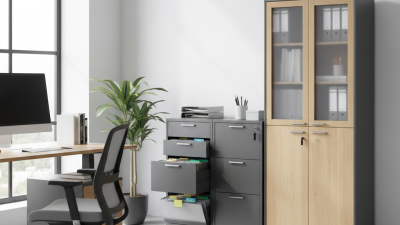
When evaluating durability, think about your environment. If your workplace experiences heavy traffic, a sturdy metal cabinet might be wiser. For quieter spaces, stylish wood could enhance your office's visual appeal. The goal is to balance functionality and aesthetics. Reflect on your priorities before making a decision.
Materials and Durability Comparison of Filing Cabinets
Budgeting for Your Filing Cabinet: Costs and Options
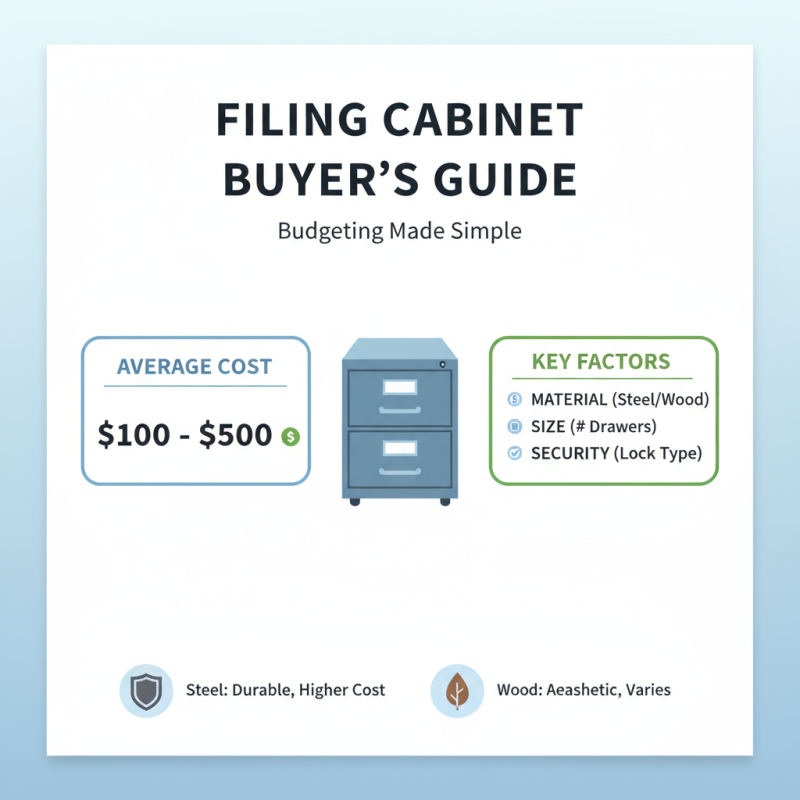
Budgeting for a filing cabinet can seem daunting. However, understanding the costs and options is key. According to industry reports, the average price for a mid-range filing cabinet ranges from $100 to $500. Factors influencing this cost include material, size, and security features. Steel cabinets typically last longer than wood yet can be pricier.
Consider your storage needs. A small cabinet suits home offices, while larger models fit busy workplaces. A report from the Office Furniture Institute suggests that 40% of businesses have downsized their filing systems due to digital data management. Yet, physical files remain essential for many, revealing a gap in planning.
While budget is crucial, quality shouldn’t be overlooked. Inexpensive options may save money initially but could lead to replacement costs sooner. The average lifespan of a cheaper filing cabinet is about three years. In contrast, a well-made cabinet can last over a decade. Investing wisely ensures that you won’t face constant replacements or repairs.