Leave Your Message
Choosing a 3 Drawer Cabinet looks simple until measurements, materials, and daily use enter the decision. A cabinet may appear sturdy in a showroom, yet feel unstable on an uneven floor. The right choice depends on what you store, where it stands, and how often each drawer opens.
Start by measuring the available wall or floor space. Leave room for drawer clearance and comfortable movement. Check the cabinet’s external dimensions, not only its advertised storage capacity. Solid wood can provide strength, while engineered panels may offer better value and consistent finishes. Inspect drawer joints, runners, handles, and the back panel closely. These small details often reveal construction quality.
Load ratings deserve careful attention. Use the manufacturer’s specifications, and avoid treating every drawer as equally strong. A drawer filled with tools needs different support from one holding folded clothing. Smooth metal runners, reinforced bases, and full-extension slides can improve everyday access. Still, product descriptions sometimes sound more impressive than the hardware feels.
I once focused too much on appearance and overlooked drawer depth. It looked excellent, but several items would not fit. That mistake changed how I compare furniture. I now measure the largest object before buying. A stable base, reliable warranty, clear assembly instructions, and responsive customer service also matter. Look for transparent product details from established retailers or manufacturers. Do not rely on photographs alone.
This guide explores practical 3 Drawer Cabinet buying tips for bedrooms, offices, workshops, and entryways. It highlights useful questions, common oversights, and features worth checking in person. Small differences can affect years of daily use. Choose carefully.
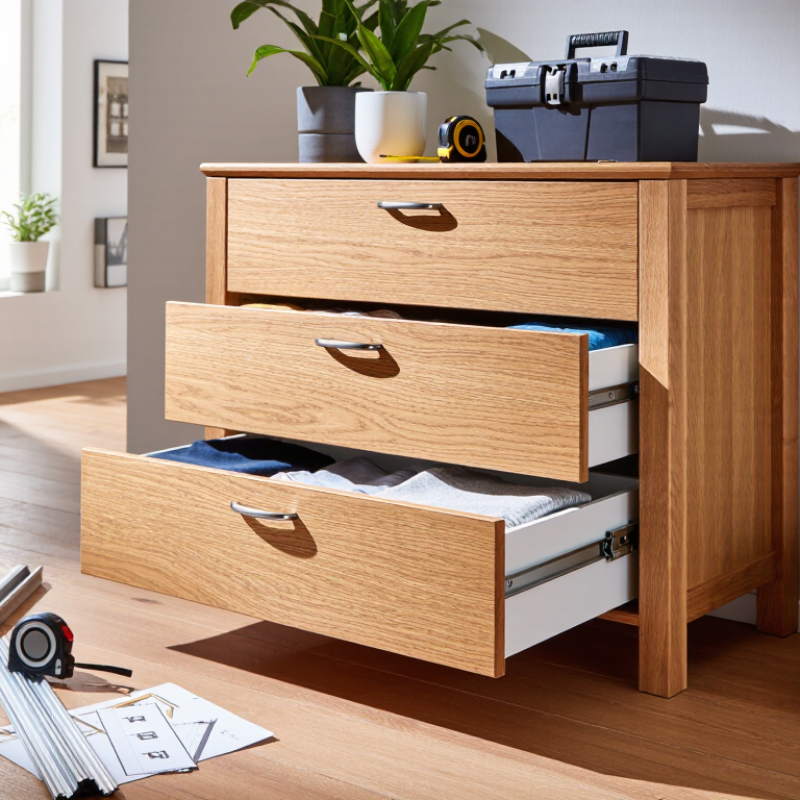
3 Drawer Cabinet Buying Tips: What Should You Know?
Define Your Storage Needs and Available Space
Before choosing a three-drawer cabinet, list what you actually need to store. A home office may need space for documents, cables, and stationery. A bedroom cabinet may hold folded shirts, accessories, and small personal items. Write these categories down.
Measure the available area carefully. Record the width, height, and depth of the space. Leave room for drawers to open fully. Check nearby walls, door swings, baseboards, and handles. A cabinet can fit perfectly on paper but feel awkward in daily use. My first measurement once ignored a baseboard, and the drawer could not open properly.
Assign each drawer a clear purpose. This makes the cabinet easier to use and prevents wasted capacity. Drawer depth matters as much as outside dimensions. Shallow drawers suit documents and small tools, while deeper drawers hold clothing or larger supplies. Estimate the weight of each drawer before buying. Heavy contents require strong runners and a stable frame. Check the product specifications for maximum load information. I sometimes prefer extra space, but empty capacity can also encourage clutter. Think about your real habits, not an idealized room.
| Buying Consideration | How to Assess It | Practical Target or Guideline | Why It Matters |
|---|---|---|---|
| Storage category | List the items that will be stored and group them by type, size, and frequency of use. | Use the top drawer for frequent-access items, the middle drawer for everyday supplies, and the bottom drawer for larger or less-used items. | A clear storage plan helps prevent wasted drawer space and unnecessary overfilling. |
| Available width | Measure the narrowest point of the installation area, including baseboards, trim, and nearby furniture. | Choose a cabinet that is at least 25 mm narrower than the measured opening when side clearance is needed. | Extra space makes installation easier and prevents doors, drawers, or handles from rubbing against adjacent surfaces. |
| Available depth | Measure from the wall to the front edge of the available area, allowing for skirting boards and drawer handles. | A depth of approximately 350–450 mm suits many household storage applications; confirm the cabinet’s external depth, including hardware. | The cabinet must fit without blocking walkways or making drawers difficult to open fully. |
| Available height | Measure from the floor to the lowest obstruction, such as a shelf, countertop, window ledge, or wall fitting. | Allow additional clearance above the cabinet if the unit may need to be moved or if the top drawer opens upward slightly. | Accurate height measurements prevent installation problems and allow comfortable access to the top drawer. |
| Drawer interior size | Compare the internal drawer width, depth, and height with the largest items you plan to store. | Keep approximately 10–20% of the usable volume free so contents can be arranged and removed easily. | External cabinet dimensions do not equal usable storage space because drawer sides, runners, and the cabinet frame reduce capacity. |
| Drawer height distribution | Identify whether the contents are mostly flat items, medium-sized objects, or bulky supplies. | Use shallow upper drawers for documents or accessories and reserve a deeper drawer for taller or irregularly shaped items. | Matching drawer height to item size improves organization and reduces unused vertical space. |
| Full-extension travel | Check whether the runners allow the drawer to open far enough to see and reach the back. | Full-extension runners are preferable when the cabinet is deep or when items at the back are used regularly. | Better access reduces the need to remove front items to reach the rear of the drawer. |
| Load requirements | Estimate the weight of the heaviest drawer, including its contents, rather than judging by item count alone. | Select runners with a stated load rating that exceeds the expected drawer load; do not rely on appearance alone. | Overloading can cause sagging, poor alignment, premature runner wear, or difficult operation. |
| Opening clearance | Measure the clear area in front of the cabinet and check for chairs, doors, appliances, or walkways. | Provide enough open space for the drawer to extend fully while a person stands comfortably in front of it. | A cabinet that fits the wall may still be impractical if the drawers cannot open safely and completely. |
| Safety and stability | Check for an anti-tip feature, stable base, level-adjustment option, and instructions for securing the unit. | Anchor tall or narrow cabinets to the wall whenever the installation instructions recommend it, especially in homes with children. | An open drawer can shift the center of gravity, so stability is an essential purchasing and installation consideration. |
| Measurement checklist | Record the maximum width, depth, height, front clearance, doorway width, and stair or elevator restrictions. | Compare every recorded measurement with the cabinet’s assembled and packaged dimensions before purchasing. | A cabinet can fit the intended room but still fail to pass through the delivery route. |
| Planning note: Dimensions and capacity vary by cabinet construction and drawer hardware. Always confirm the product’s external dimensions, internal drawer dimensions, load ratings, clearance requirements, and installation instructions before purchase. | |||