Best Filing Cabinet Types for Home and Office Storage Solutions?
Filing cabinets are essential for organizing documents in both home and office settings. They offer various styles and sizes that cater to different storage needs. An ideal filing cabinet can streamline your workspace, making it easier to locate important files.
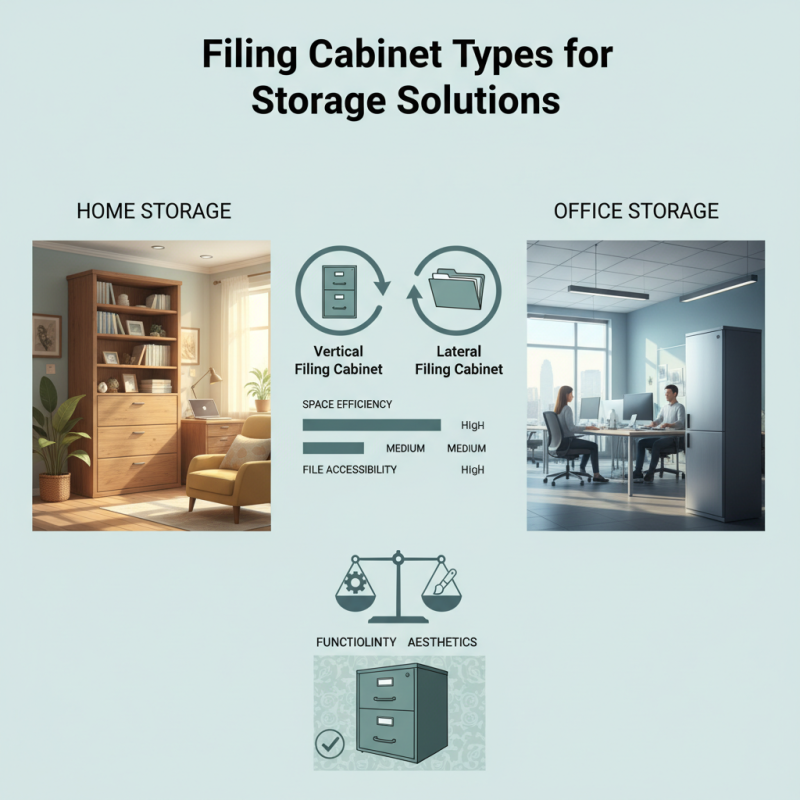
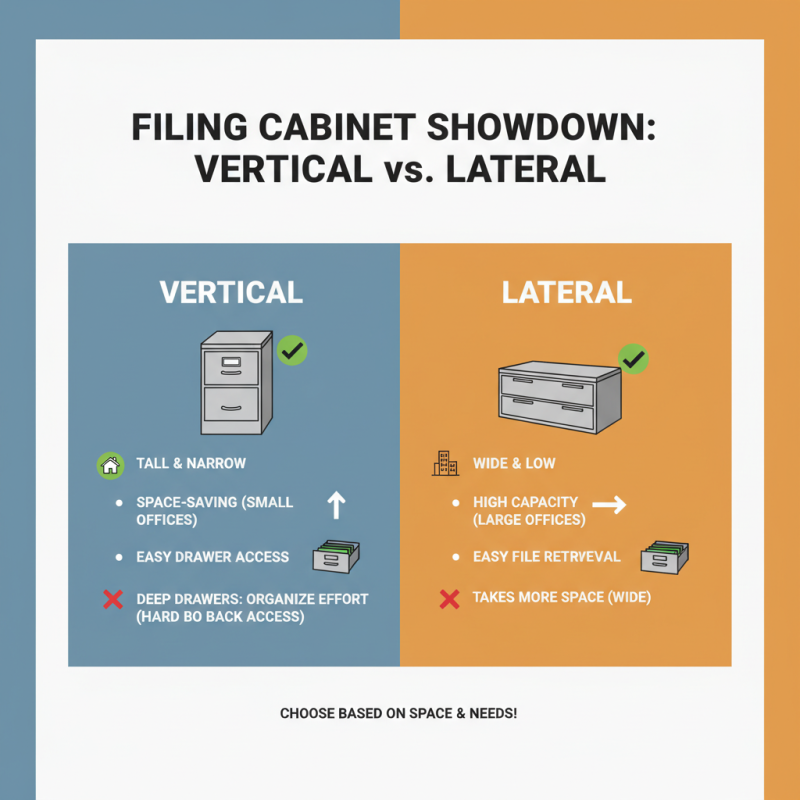
Different types of filing cabinets exist, ranging from vertical models to lateral designs. Each type serves a purpose. A vertical filing cabinet may fit better in smaller areas, while a lateral cabinet allows for easier access to files. Choosing the right one often involves considering space constraints and accessibility.
However, selecting a filing cabinet comes with its challenges. Not all cabinets are sturdy, and some may not fit your decor. Reflecting on the balance between functionality and aesthetics is crucial. A good filing cabinet should not just store papers; it should complement your workspace.
Types of Filing Cabinets: Overview and Features
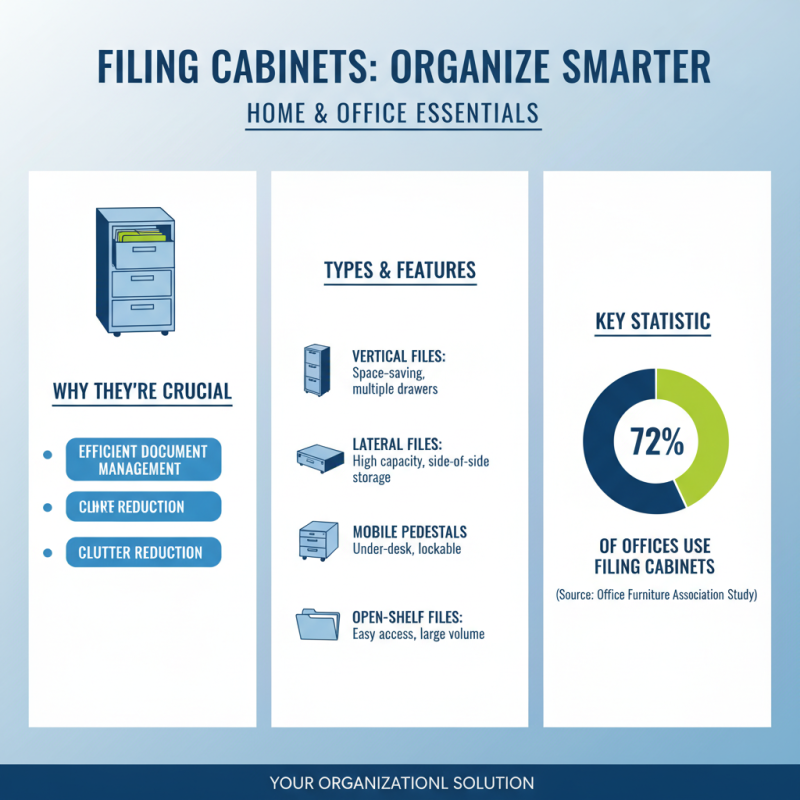
Filing cabinets are essential for organizing home and office spaces. Various types offer unique features tailored to different needs. A study by the Office Furniture Association reveals that at least 72% of offices use filing cabinets for efficient document management.
Vertical cabinets are a common choice. They maximize storage in minimal floor space. Typically, they hold letter-sized documents. Drawers slide out easily, making access quick. On the other hand, lateral cabinets provide wider drawers. They are ideal for larger documents and often include space for decorative items on top. However, they can require significant wall space.
Mobile filing cabinets are another emerging trend. These cabinets are often on wheels. They offer flexibility and can move from room to room. Yet, they might be less stable than stationary options. Overall, understanding these differences can lead to better storage solutions. Organizing papers can reflect on your productivity. The right filing cabinet helps reduce clutter and streamline workflows.
Vertical vs. Lateral Filing Cabinets: Key Differences
When it comes to filing cabinets, vertical and lateral designs offer unique benefits and considerations. Vertical filing cabinets are tall and narrow. They fit well in tight spaces. This makes them ideal for smaller home offices. The drawers pull out easily, allowing for quick access to files. However, they may require more effort to organize, given their depth. When full, retrieving files from the back can be a hassle.
On the other hand, lateral filing cabinets are wider and offer more drawer space. They provide a horizontal filing solution that allows multiple people to access files at once. This type is more suitable for larger offices. Organizing with lateral cabinets can be simpler due to their surface area. Still, they can take up more space, which may be an issue in small rooms. Both types present their own challenges. Choosing the right one often requires reflection on your specific storage needs. Think about how you interact with your files and consider your work habits before deciding.
Material Choices for Filing Cabinets: Metal, Wood, and More
Choosing the right material for your filing cabinet is key to functionality and style. Metal cabinets are durable and secure. They often withstand heavy files, making them ideal for busy offices. However, they can be noisy and might not blend seamlessly with home decor.
Wooden cabinets, on the other hand, offer warmth and elegance. They can elevate a room’s aesthetics. But, they may be less resilient than metal options. Wood can also be prone to scratches and dents. Seek a balance based on your needs and environment.
**Tips:** Consider the cabinet's weight limit. Ensure it suits your file volume. A cabinet that looks good might not endure daily use. Check for proper ventilation if storing sensitive documents. Reflect on how often you'd like to rearrange your setup. Some styles, like modular options, allow for flexibility.
Best Filing Cabinet Types for Home and Office Storage Solutions
Size Considerations: Choosing the Right Dimensions for Your Space
When choosing a filing cabinet, size matters. Think about the dimensions that fit your space. Consider the height, width, and depth. A large cabinet might overwhelm a small room. Conversely, a tiny cabinet may not hold enough documents. Measure your available area carefully.
Tips: Always account for accessibility. Make sure the cabinet door opens fully. You don’t want to struggle while reaching for files. A space that feels cramped can hinder productivity. If you work from home, a cluttered area may affect your focus.
Think about the number of documents you have. If you have a growing collection, a larger cabinet could be beneficial. Remember, aesthetics also play a role. A cabinet should fit within your interior design. It's okay if it isn’t perfect. Sometimes, an imperfect piece adds character. A well-chosen filing cabinet not only organizes but also complements your work environment.
Tips for Organizing and Maximizing Filing Cabinet Efficiency
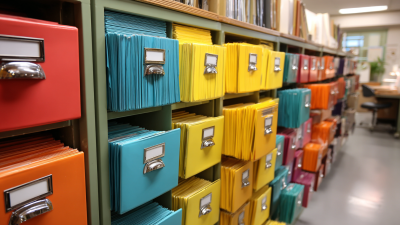
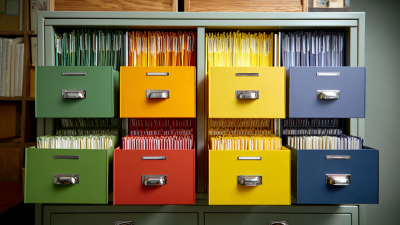
When organizing a filing cabinet, the first step is to categorize your documents. Use broad categories like finance, health, and personal. Within each category, create subcategories. This method helps narrow down where to file specific documents. For example, under finance, you might include taxes, bills, and bank statements. Color-coded labels can make this process more visual and easier to follow. Just remember, not every label will stick. You may need to adjust your system as you go along.
Maximizing efficiency requires regular maintenance. Schedule a monthly check to declutter and purge unnecessary items. Keep an eye on what you’re storing. If a document hasn’t been touched in years, question its relevance. This practice not only saves space but also reduces overwhelm. Consider digital backups for important papers. However, this doesn’t eliminate the need for a physical system. Sometimes a physical copy is more accessible. Reflect on what you really need versus what feels safe to keep. Sorting through this can be daunting but rewarding.
Best Filing Cabinet Types for Home and Office Storage Solutions
| Filing Cabinet Type |
Main Features |
Ideal Use |
Size Options |
Material |
| Vertical Filing Cabinet |
Space-efficient, narrow design, multiple drawers |
Small offices and home use |
2 to 5 drawers |
Metal, Wood |
| Lateral Filing Cabinet |
Wide drawers, easy access from both sides |
Executive offices, shared workspaces |
2 to 4 drawers |
Metal, Wood, Particleboard |
| Mobile Filing Cabinet |
On wheels for mobility, compact design |
Flexible work environments, home offices |
1 to 3 drawers |
Metal, Plastic |
| Fireproof Filing Cabinet |
Fire-resistant materials, secure locking system |
Storing important documents, sensitive information |
2 to 5 drawers |
Metal |
| Wooden Filing Cabinet |
Elegant design, various finishes, sturdy construction |
Home offices, traditional workspaces |
2 to 5 drawers |
Wood |