10 Best Filing Cabinets for Organizing Your Office Space?
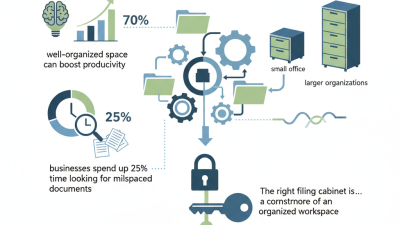
A well-organized office space can significantly boost productivity. One essential element for achieving this is a reliable filing cabinet. Filing cabinets are vital tools for keeping documents secure and easily accessible. With various styles and sizes available, choosing the right one can be challenging.
When selecting a filing cabinet, consider the type of documents you need to store. Some cabinets offer multiple drawers, while others focus on security features. Reflect on your needs: Do you require a lockable cabinet for sensitive information? Is space a concern? Understanding your requirements is crucial for an effective purchase.
This article explores the 10 best filing cabinets. Each option is reviewed based on functionality, design, and durability. Investing in a quality filing cabinet not only enhances organization but also adds a touch of professionalism to your office. Remember, a clutter-free space leads to a clearer mind.
Types of Filing Cabinets: Understanding the Options Available
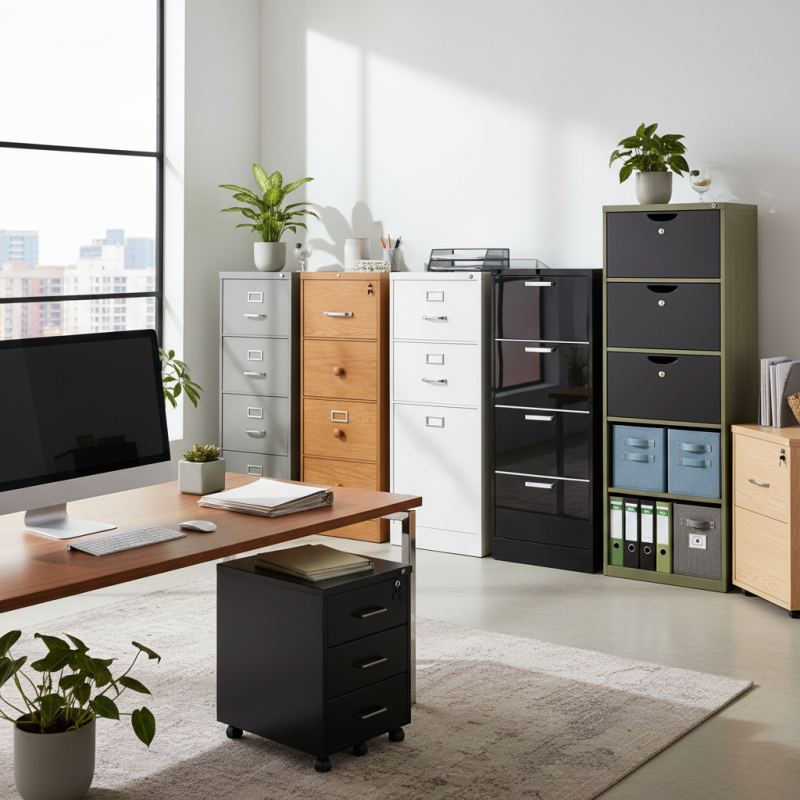
When it comes to organizing your office space, understanding the types of filing cabinets available is crucial. There are several styles.
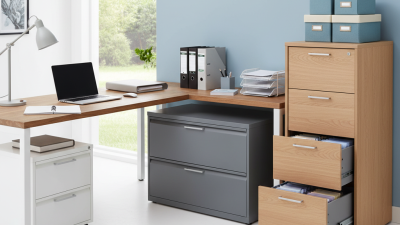
Vertical filing cabinets are the classic option. They optimize space with a narrow design. However, they may require a bit of bending to access the lower drawers.
Lateral cabinets, on the other hand, offer a wider layout. That can make it easier to view files at a glance, reducing the risk of forgetting items.
Mobile filing cabinets provide flexibility. These units can be moved as needed, which can be helpful in small spaces. However, securing important documents can sometimes be a concern.
Additionally, there are specialized cabinets designed for archives. These cabinets are typically sturdier and can accommodate larger volumes of paperwork.
But, they may take up more real estate in your office.
Consider your specific needs. The right cabinet should suit both your workflow and your office layout. Do you have limited space or multiple users? Do you store sensitive documents? Reflect on these questions when choosing.
A good filing cabinet enhances efficiency. It minimizes clutter, allowing for a productive environment. The choice reflects your work style and priorities.
Key Features to Consider When Choosing a Filing Cabinet
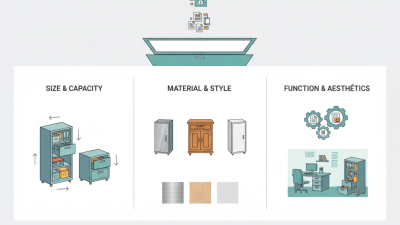
When selecting a filing cabinet, key features make a significant impact. Size and capacity are essential. Consider how many files you need to store. A large cabinet might be ideal for extensive paperwork. For smaller spaces, a compact model works better. Think about the number of drawers too. Some prefer single drawers for simple storage. Others want multiple drawers for organized separation.
Durability is another important factor. Look for cabinets made with robust materials. Steel often lasts longer than wood. A good locking mechanism provides added security for sensitive documents. Review the weight capacity as well. A cabinet that can't hold your files may lead to frustrating situations.
Mobility should not be overlooked. Some models come with wheels for easier movement. This feature is great for changing office layouts. Color and finish also matter for aesthetics. A filing cabinet should blend with your office theme. Ultimately, your choice will fit your needs, space, and style. Take time to reflect on what matters most for your office.
Top 10 Filing Cabinets: Reviews and Recommendations
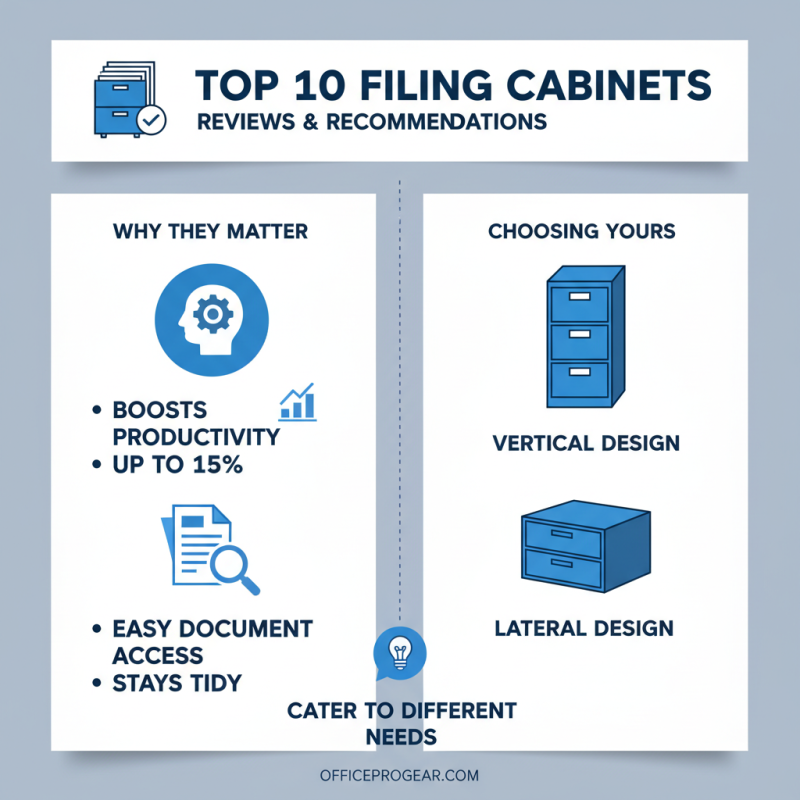
When organizing an office space, filing cabinets play a crucial role. Studies show that a well-organized workspace can enhance productivity by up to 15%. Having the right filing cabinet makes it easier to keep documents accessible and tidy. Options range from vertical to lateral designs, each catering to different needs.
The best filing cabinets often feature durable materials and efficient locking mechanisms. However, many users overlook their size relative to their space. A cabinet too large can overwhelm a small office. According to a recent report, about 40% of remote workers experience clutter in their home offices. This highlights the importance of selecting a filing cabinet that fits both the space and storage needs.
In addition, organizing documents effectively requires evaluation. Regularly assessing what needs to be kept can help reduce clutter. Experts suggest that employees should purge unnecessary files every six months. This practice boosts efficiency and helps maintain a more streamlined workspace. Balancing aesthetics and functionality in cabinet choice is also vital. The right cabinet can enhance your office's design while serving its purpose.
How to Organize Your Office Space with a Filing Cabinet
A well-organized office space is crucial for productivity. Using a filing cabinet effectively can transform chaos into order. Start by assessing your files and documents. Identify what you need to keep and what can be discarded. This process can be time-consuming but is vital. You might find papers you haven’t touched in years. Tossing unnecessary documents can clear your mind and space.
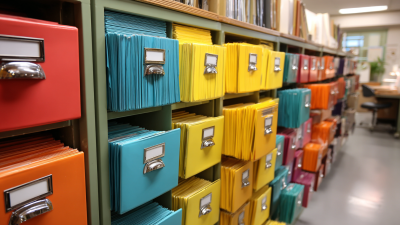
Once you've sorted your documents, categorize them. Use simple labels for easy access. Consider color coding your folders. It adds a visual element that makes finding things easier. Arrange frequently used files at the front and less important ones at the back.
Regular maintenance of your filing system is essential but easy to neglect. Schedule monthly check-ins to reassess your organization. This practice helps prevent build-up. You may find new ways to improve your setup. Remember, there’s no perfect system. Adapt as your needs change.
Office Filing Cabinets Organization Chart
This chart represents the customer satisfaction ratings for various criteria of office filing cabinets. Space efficiency and storage capacity received the highest ratings, indicating that customers prioritize these features when selecting a filing cabinet for their office organization needs.
Maintenance Tips for Keeping Your Filing Cabinet in Good Condition
Keeping your filing cabinet in good condition is crucial for a functional office. Research indicates that well-maintained office furniture increases productivity by up to 20%. Regular cleaning can prevent dust build-up. Use a damp cloth with mild soap and avoid harsh chemicals. This will help preserve the finish and prevent scratches.
Inspect your filing cabinet monthly. Pay attention to the drawers and hardware. Ensure that the drawers open smoothly. Tighten any loose screws, as this can extend the life of your cabinet. Reports suggest that minor repairs can save businesses around 30% on new furniture costs.
Consider using drawer organizers to keep documents tidy. Cluttered files can lead to misplacement and stress. Implementing a filing system can support efficiency. Reflect on how often you utilize your cabinet. If it’s underused, think about repurposing it. Balancing organization with accessibility is key. In the long run, these actions ensure your filing cabinet remains a reliable asset.
10 Best Filing Cabinets for Organizing Your Office Space
| Cabinet Type |
Material |
Number of Drawers |
Color Options |
Dimensions (inches) |
Price Range |
| Vertical |
Metal |
4 |
Black, Grey |
52 x 15 x 18 |
$150 - $250 |
| Lateral |
Wood |
2 |
Cherry, Oak |
36 x 19 x 30 |
$200 - $400 |
| Mobile |
Plastic |
3 |
Blue, Grey |
24 x 18 x 26 |
$80 - $150 |
| Fireproof |
Metal |
4 |
Black |
30 x 21 x 50 |
$300 - $600 |
| Wooden Decoration |
Wood |
2 |
Natural, Dark |
30 x 18 x 28 |
$150 - $350 |