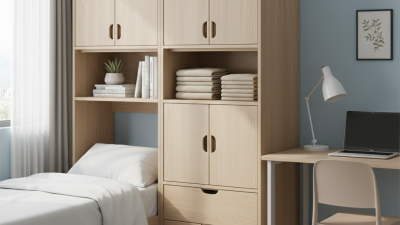
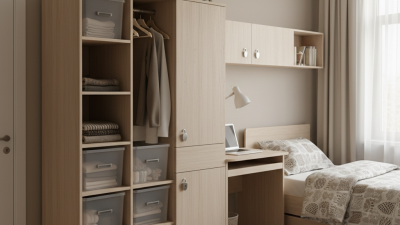
How to Choose the Best Dormitory Cabinet for Your Needs?
Choosing the right dormitory cabinet is essential for students seeking organization and functionality in their living space. With many options available, it can be overwhelming to find the perfect fit for your needs. A good dormitory cabinet enhances the efficiency of small areas, providing storage for clothing, books, and personal items.
When selecting a dormitory cabinet, consider factors such as size, style, and material. A cabinet should complement your room layout while maximizing space. Think about the items you need to store. Do you have winter clothes, school supplies, or other belongings to consider? This may lead you to rethink your choice.
Quality matters when purchasing a dormitory cabinet. Invest time in researching brands and materials. A reliable cabinet should endure wear and tear. However, don’t overlook your personal taste. Your cabinet should reflect your personality, creating a comfortable environment. Remember, it’s okay to feel uncertain as you navigate these choices. Finding the best option requires thoughtful consideration and reflection.
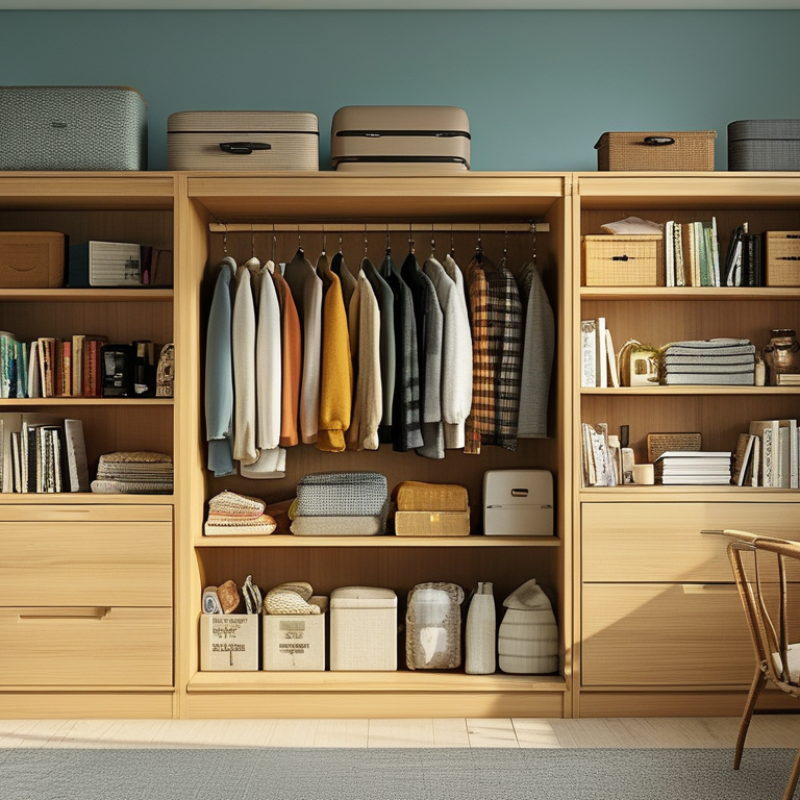
Understanding Your Storage Needs in a Dormitory Environment
Choosing the right dormitory cabinet can significantly impact your living experience.
Understanding your storage needs is crucial. Studies show that
college students often struggle with space management. According to a recent report,
70% of students have to share a small space with limited
storage options.
Assess the types of items you need to store. Some students prioritize textbooks
and school supplies, while others may need space for clothing
and personal items. Having well-organized storage can minimize clutter. Interestingly, less than
50% of students regularly utilize their cabinet space efficiently.
This indicates a need for thoughtful planning.
Think about accessibility and design. A cabinet that is too high can make it difficult to reach items.
Many students express frustration with cabinets
that don’t fit their unique requirements. By analyzing your specific needs and how you plan to use your
space, you can avoid common pitfalls. Not every cabinet is suitable for every student; understanding
your habits can guide you in making the best choice.
Types of Dormitory Cabinets and Their Features
When selecting the right dormitory cabinet, understanding the types can significantly aid your decision. These cabinets typically vary in design and function. The most common types include freestanding, corner, and modular cabinets. Freestanding cabinets offer mobility and space efficiency. Corner cabinets make use of often wasted corners, optimizing small room layouts. Modular cabinets provide flexible configurations, which cater to individual preferences.
Features also play a critical role in functionality. For instance, many modern cabinets include adjustable shelves. This allows customization to fit different items, from books to clothing. Furthermore, some cabinets come with integrated locks for added security. According to a 2022 industry report by Furniture Today, approximately 75% of students prioritize security features in their furniture choices. Additionally, cabinet materials impact durability and aesthetic appeal. Plywood, for instance, is recognized for its strength, while particleboard is lighter and often more affordable.
Reflective design is also crucial. Aesthetic appeal might sway choices, but many overlook the importance of practical use. A cabinet might look good but fail to meet daily needs. Some users report that choosing solely based on appearance can lead to regrets as functionality is compromised. Therefore, a balanced approach is essential for selecting a cabinet that truly meets personal requirements.
Assessing Space Constraints and Layout Considerations
When selecting a dormitory cabinet, space constraints and layout considerations play a crucial role. Start by assessing the dimensions of your dorm room. Measure the available width, height, and depth. Consider how the cabinet will fit alongside your bed, desk, and any other furniture. It’s vital to ensure that your cabinet does not obstruct pathways or access to essentials.
Next, think about the layout of your room. Are there corners that can accommodate a taller cabinet? Or is there a narrow space that requires a slim design? A two-door cabinet may work well in tight spaces, while a larger model is ideal if you have a bigger area. Pay attention to wall-mounted options. They can save floor space and create a more open feel.
While aesthetics matter, utility is paramount. Consider how often you’ll access certain items. If clothes and books are frequently used, position your cabinet within easy reach. Reflect on whether you’ll need additional storage for seasonal items. Choose adjustable shelves for flexibility. This allows for changes as your needs evolve. The right cabinet should enhance both the functionality and comfort of your living space.
Choosing the Right Dormitory Cabinet: Space Considerations
Materials and Durability: What to Look For in a Cabinet
Choosing the right materials for a dormitory cabinet is essential. Many students overlook this aspect, which can lead to poor choices. A study by the Furniture Research Institute indicates that cabinets made from particle board or low-quality materials tend to wear out quickly. In fact, durability is often compromised when aesthetics take priority.
Solid wood cabinets generally last longer but can be more expensive. Plywood is another viable option, offering a middle ground. A survey suggests that 70% of students prefer cabinets with good durability over fashionable designs. Transparency about a cabinet's construction is vital. Understanding whether a cabinet is made to withstand everyday use can save you money in the long run.
Additionally, look for features like metal hardware and reinforced corners. These elements enhance stability. Poorly constructed cabinets can demonstrate wear in just months. Students often regret impulsive purchases without proper research. Prioritizing long-lasting benefits over immediate appeal can lead to better choices. Invest in materials that promise longevity, even if it means paying slightly more.
Budgeting Wisely: Cost-Effective Options for Students
When selecting a dormitory cabinet, budgeting is a key concern. Students often have limited financial resources. It's essential to explore cost-effective options that meet both needs and affordability. Affordable options do not always compromise on quality. Many cabinets are designed to be durable yet budget-friendly.
Consider the materials used in the cabinets. Particleboard is often cheaper but might not last long. Wooden cabinets are sturdier but can be pricier. Assess your budget to determine which is feasible. You might also want to think about second-hand options. Thrift stores and online marketplaces can offer great deals on gently used furniture. Sometimes, a little wear adds character to your space.
Additionally, organizing your belongings can influence your choice. Cabinets with multiple compartments can help maximize space. Look for models that allow customization. It’s crucial to think ahead about your storage needs. Rethink what items you truly need to store. In the end, a thoughtful choice can lead to both savings and satisfaction in your dorm life.
How to Choose the Best Dormitory Cabinet for Your Needs?
| Cabinet Type |
Material |
Size (cm) |
Price ($) |
Storage Capacity (L) |
Durability Rating (1-5) |
| Wooden Cabinet |
Plywood |
90 x 45 x 180 |
150 |
250 |
4 |
| Metal Cabinet |
Steel |
80 x 40 x 160 |
120 |
200 |
5 |
| Plastic Cabinet |
Polypropylene |
75 x 35 x 150 |
80 |
100 |
3 |
| Combination Cabinet |
Wood and Metal |
90 x 45 x 180 |
180 |
300 |
4 |
| Portable Cabinet |
Fabric |
70 x 35 x 140 |
50 |
80 |
2 |