2026 How to Choose the Best File Cabinet for Your Office?
In today's office environment, the choice of a file cabinet is crucial for efficiency and organization. According to industry expert Linda Harris, "A reliable file cabinet can transform a cluttered workspace into a seamless operation." This statement highlights the impact of proper storage solutions on productivity.
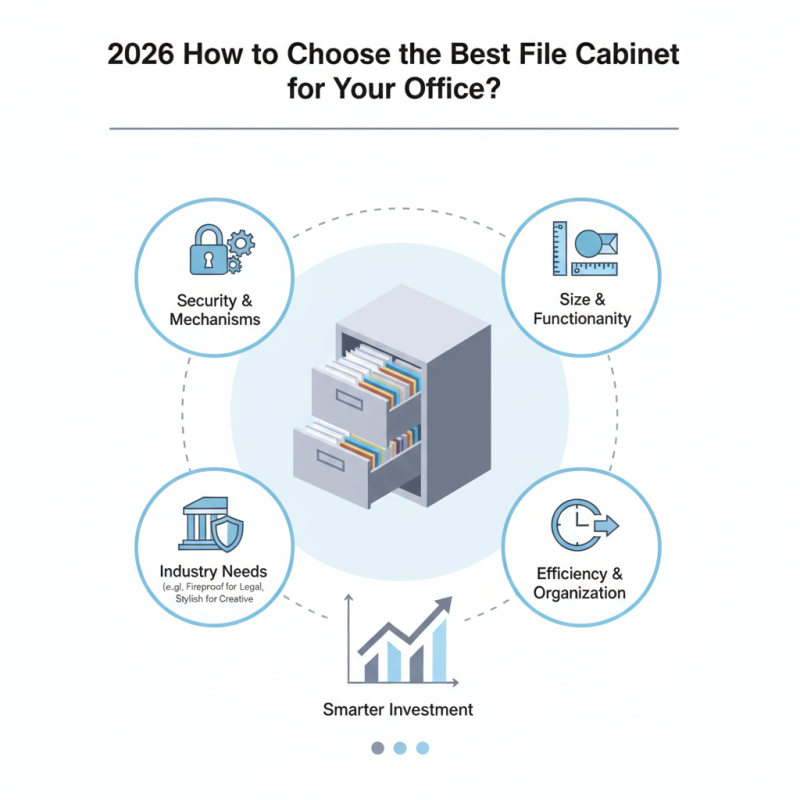
Selecting the right file cabinet involves more than just aesthetics. Functionality, size, and security are vital factors. Companies vary in their needs, from legal firms requiring fireproof options to creative agencies needing stylish designs. Each office must reflect on its unique requirements.
While many companies overlook this essential piece of furniture, the consequences of a poor choice can be significant. Disorganization leads to wasted time and frustration. Evaluating features, such as lock mechanisms and drawer capacity, is necessary. A well-chosen file cabinet saves time, but picking the right one can be a challenging decision. Reflecting on these aspects will guide businesses towards a smarter investment in their organizational tools.
Understanding Different Types of File Cabinets for Office Use
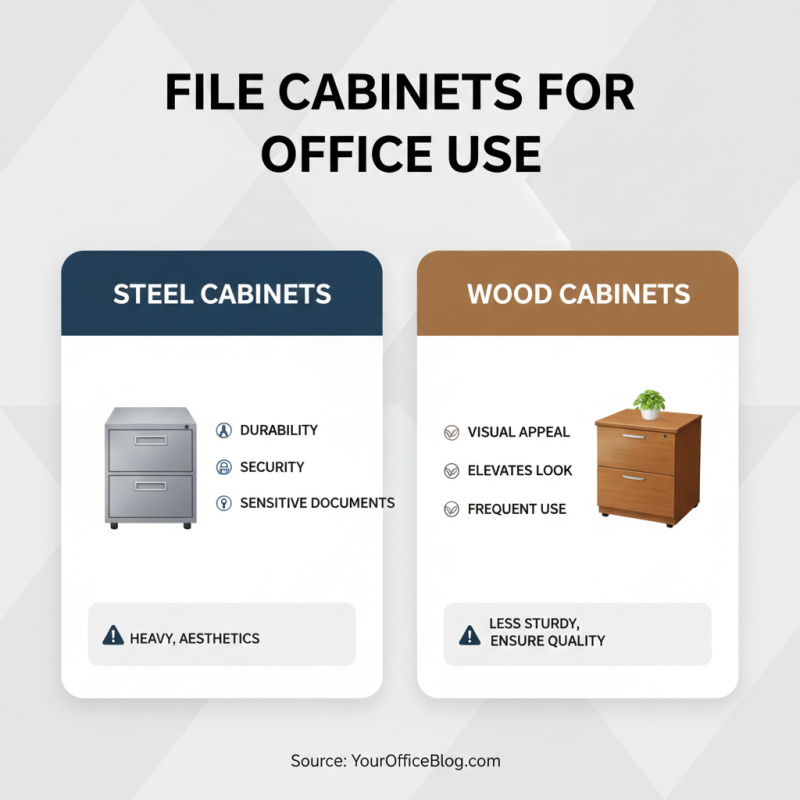
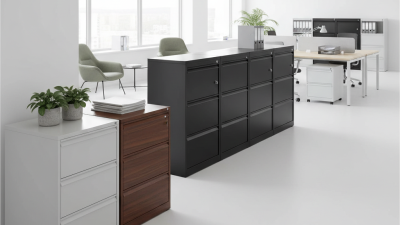
When selecting a file cabinet, understanding the various types available is crucial. Steel cabinets provide durability and security. They are less prone to damage and cater to sensitive documents. However, they can be heavy and may not blend well with all office aesthetics. Wood cabinets, while more visually appealing, may not offer the same sturdiness. They can elevate your office's look, but you must ensure they are sturdy enough for frequent use.
Vertical and lateral cabinets serve different purposes. Vertical cabinets fit well in tight spaces, allowing for efficient file organization. They typically hold more documents than lateral cabinets, but accessing files may be more challenging. On the other hand, lateral cabinets are wider and give quick access to files. However, they take up more wall space and may limit where you can position them.
Consider the frequency of access required for your files. If you regularly need specific documents, a lateral cabinet may be more convenient. In contrast, if documents are accessed infrequently, a vertical cabinet might suffice. It's essential to reflect on both your space constraints and practical needs when making a decision. Remember, finding the right fit is about balancing function and form in your office environment.
Evaluating Material Options: Metal, Wood, or Plastic for Durability
When selecting a file cabinet for your office, evaluating material options is crucial. Each material—metal, wood, and plastic—offers distinct advantages and disadvantages. According to a report by the Furniture Manufacturers Association, metal cabinets are durable and resistant to damage, making them ideal for high-traffic environments. They can withstand more wear and tear than wood and plastic. However, they can be heavy and less aesthetically pleasing.
Wood cabinets exude elegance and professionalism. They are often considered an upgrade but may not last as long under stress. A study by the Office Furniture Industry Association indicates that while wood cabinets provide warmth, they can be susceptible to scratches and moisture damage. It's essential to consider your office's specific needs and the potential for long-term wear.
Plastic file cabinets are lightweight and affordable. They resist rust and moisture but may not offer the same level of durability as metal or wood. If you frequently move your cabinets or need temporary storage solutions, plastic may be a viable option.
Tips: Consider investing in a metal cabinet if you require durability. For a more aesthetic appeal, choose a wood option. Explore plastics for temporary or flexible needs. Check your office environment and usage patterns before deciding.
Assessing Size and Space Requirements for Effective Office Organization
Choosing the right file cabinet is crucial for effective office organization. One of the first steps is to assess your size and space requirements. Measure the available area in your office. Think about how much filing you need. Large offices may benefit from multiple cabinets, while smaller spaces might require compact models.
Tips: Consider a vertical file cabinet if you have limited floor space. These cabinets allow for maximum storage without consuming too much room. It's also essential to think about accessibility. A file cabinet that's too high or too low can cause strain.
Don't forget to factor in your filing habits. If you frequently access documents, opt for a cabinet that allows easy access. Clear out unnecessary documents regularly, reducing clutter. Recognizing what you truly need can help you pick the right size and style. Make a plan based on your workflow and habits. This keeps your space organized and promotes efficiency.
Key Features to Consider: Locking Mechanisms, Drawers, and Mobility
When choosing a file cabinet for your office, consider the locking mechanisms. A secure lock can protect sensitive documents from unauthorized access. This feature is essential in maintaining confidentiality. There are various types of locks available, including key locks and combination locks. Evaluate which option fits your security needs. Remember, a locked drawer isn’t foolproof. Regular assessments of your security measures are wise.
Drawers are another vital aspect to think about. The number of drawers influences your storage capacity. Opting for deeper drawers can accommodate larger files. However, excessive depth may lead to disorganization. It’s important to balance size with usability. Think about the layout of your office, too. This will determine how easily you can access your files.
Mobility is an often-overlooked feature. If your office space changes frequently, consider a cabinet with wheels. This design allows for easy relocation. On the other hand, a stationary cabinet can offer extra stability. Reflect on your office dynamics. Will you require flexibility? A mobile cabinet may seem ideal, but it can also slide when fully loaded. Find what works for you.
Budgeting Tips for Selecting the Right File Cabinet without Overspending
When selecting a file cabinet for your office, budgeting is crucial. Start by determining your price range. This helps narrow down options while avoiding overspending. Research is essential. Explore online marketplaces and local stores for price comparisons. Sometimes, the best deals are found in unexpected places.
Consider the specific needs of your office. How much storage do you require? Assess the types of documents you’ll store. A larger cabinet may seem ideal but could lead to unnecessary spending. Think about the future too. Will your storage needs increase? An adaptable solution might save you money later.
Quality matters more than price. A cheaper cabinet might wear out quickly. You could end up spending more in the long run. Look for durable materials and good construction. Read reviews to gauge reliability. Sometimes, taking a little extra time can prevent costly mistakes in the future. Always reflect on past purchases. What worked? What didn’t? This process will guide you in making smart choices for your office setup.