How to Choose the Right 2 Drawer Cabinet for Your Needs?
When selecting a 2 Drawer Cabinet, understanding your specific needs is crucial. In recent studies, 71% of consumers prioritize functionality over aesthetics when choosing furniture. The right cabinet can optimize storage and enhance workspace efficiency. Many companies report that an organized workspace can improve productivity by up to 30%.
A 2 Drawer Cabinet often serves dual purposes: storage and accessibility. However, not all cabinets are created equal. For example, cabinets that prioritize maximum space usage may compromise on durability. It’s important to reflect on these trade-offs. What materials are most resilient? How will the cabinet fit into existing décor?
Investing in the right 2 Drawer Cabinet involves considering size, style, and intended use. Remember, the cheapest option might not always be the best long-term investment. Consider the frequency of use and the weight capacity needed. Ultimately, finding the right balance will lead to a more functional and aesthetically pleasing environment.
Understanding the Different Types of 2 Drawer Cabinets Available
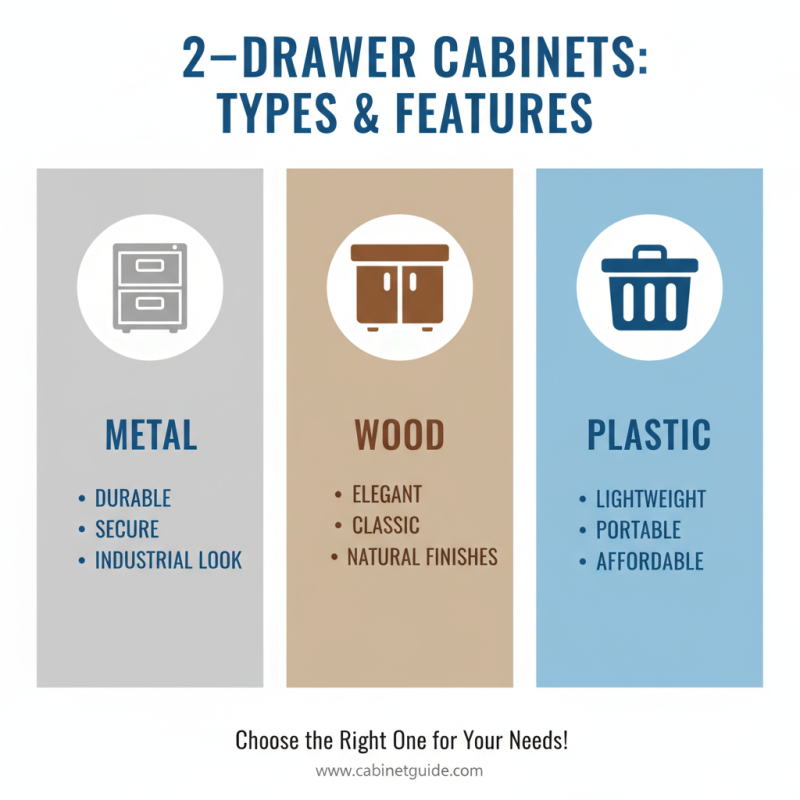
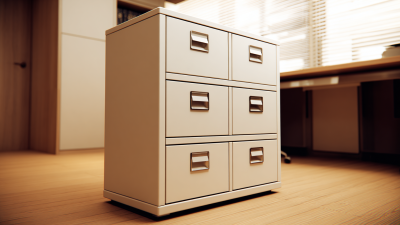
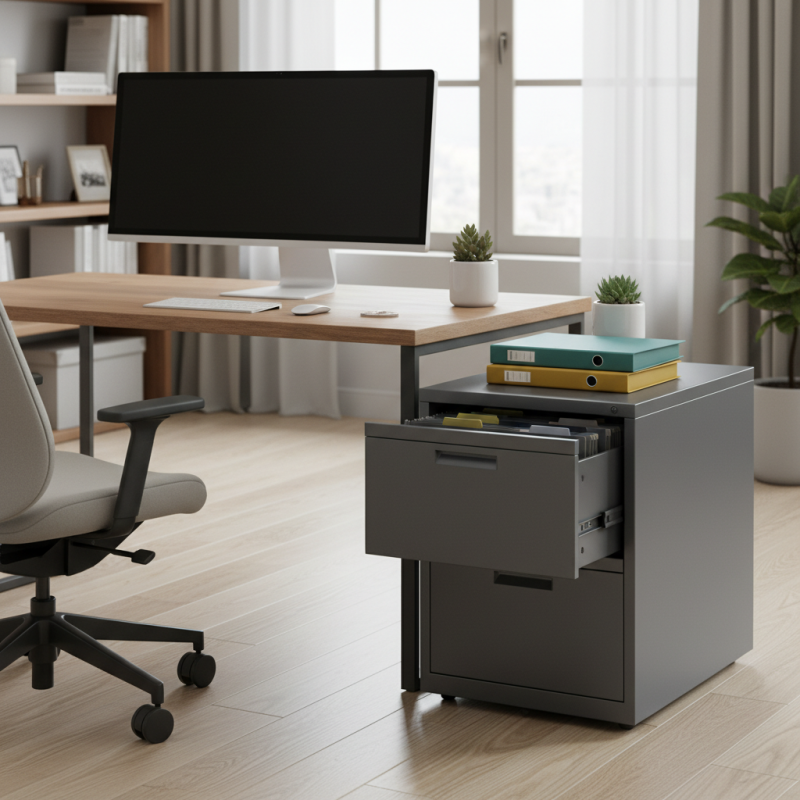
When selecting a 2 drawer cabinet, understanding the types available is crucial. You can find metal, wood, and plastic options. Each type has unique features. Metal cabinets offer durability, while wooden ones provide elegance. Plastic cabinets are lightweight and easy to move.
Consider the cabinet's size. Measure your space to ensure it fits. A compact cabinet may work well in small rooms. Larger spaces can accommodate bigger models. Think about the style that matches your decor. Traditional looks contrast with modern designs, affecting the overall vibe.
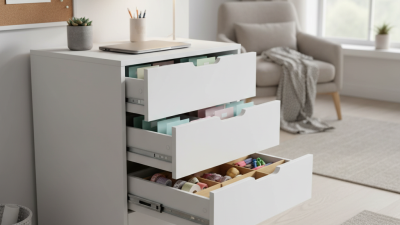
Remember to evaluate functionality. Do you need a lock for privacy? Are the drawers easily accessible? Some cabinets have shallow drawers for smaller items. Others provide deeper storage for bulkier supplies. Assess your needs carefully. Not all cabinets offer the same practicality. Selecting the right one can require some trial and error.
Evaluating Your Space and Storage Needs for a 2 Drawer Cabinet
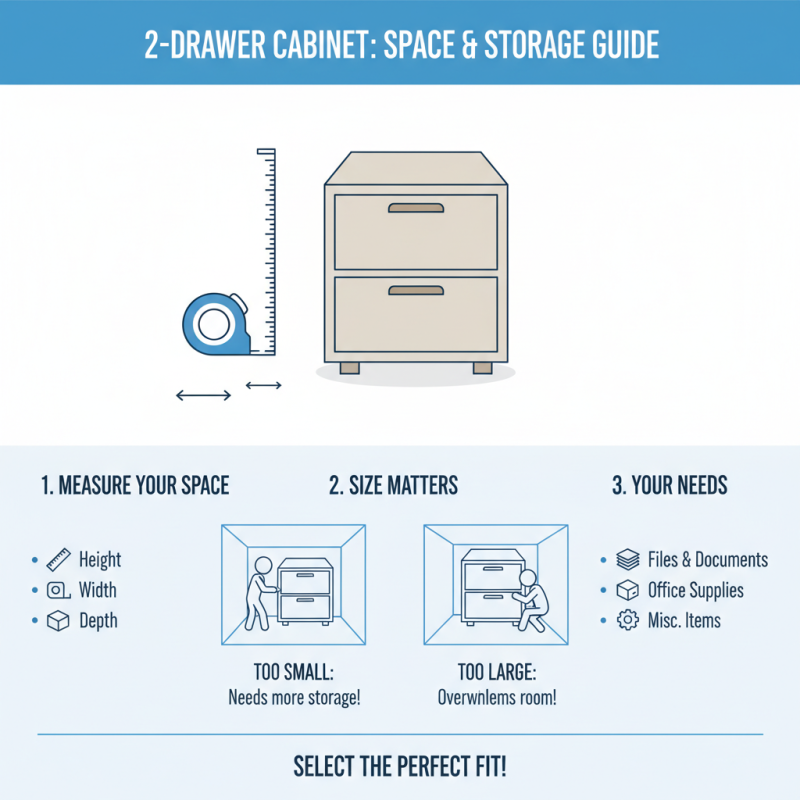
When selecting a 2 drawer cabinet, space and storage needs should be your primary focus. Measure the area where you plan to place the cabinet. Ensure the dimensions are suitable. A too-large cabinet can overwhelm a small room. Conversely, a too-small cabinet may leave you needing extra storage. Consider the height, width, and depth.
Think about what you will store inside. Will you keep files, supplies, or personal items? Ideally, select a cabinet that fits your needs. If you require easy access to frequently used items, opt for a lower drawer design. It should allow for quick retrieval without hassle. Keep in mind your workflow and how often you'll need to open those drawers.
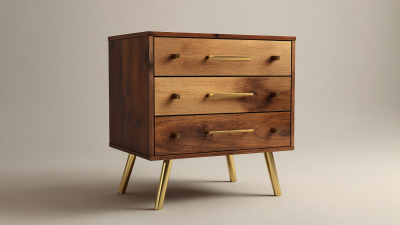
Don't overlook the cabinet's material and style. Wooden cabinets offer a classic look but may be heavier. Metal cabinets can be modern, yet may clash with your decor. Reflect on your personal taste and the overall theme of your space. Your choice should complement your environment. Ultimately, choosing the right 2 drawer cabinet is about balancing aesthetics with functionality.
Materials and Construction Quality: What to Look For
When choosing a 2 drawer cabinet, materials and construction quality are crucial. Solid wood is often preferred for durability. However, not all wood is equal. Engineered wood, like MDF, can be a cost-effective alternative. Research indicates that solid wood cabinets can last up to 30 years, while cheaper alternatives may only endure 5-10 years. The choice between them depends on your budget and longevity requirements.
Examine the finish as well. A high-quality finish not only enhances aesthetics but also protects the surface. Cabinets with a polyurethane finish tend to resist moisture and scratches better than those with a simple lacquer. In fact, industry reports highlight that cabinets with better finishes hold their value longer. This is something many overlook.
Joinery techniques matter too. Dovetail joints are stronger than simple butt joints, adding stability. Many budget models utilize weaker joints. This may lead to issues over time, even if the cabinet looks good initially. It’s a balance between initial appeal and long-term quality. Even with thorough research, you might still encounter unexpected disappointments with your choice. Always weigh your options carefully.
Assessing Style and Aesthetic to Match Your Interior Decor
Choosing a 2 drawer cabinet can be a challenge, especially when it comes to style and aesthetic. A cabinet is not just for storage; it should enhance your space. Consider the colors and materials that reflect your personal taste. Do you prefer sleek metal finishes or warm wooden tones? Each choice creates a different atmosphere.
Pay attention to how the cabinet fits into your overall decor. A modern cabinet can clash with antique furniture, while a vintage piece may look out of place in a minimalist setting. Look for details that inspire you. Handles, drawer designs, and even the cabinet's shape affect the look. An unusual design might be eye-catching, but it can also distract from other elements.
You might find it hard to strike the right balance. A cabinet that's too bold could overwhelm a small room. Conversely, a plain piece may blend into the background. Think about your space's focal points. Does the cabinet draw attention, or does it fade away? Finding the right cabinet requires patience and reflection.
How to Choose the Right 2 Drawer Cabinet for Your Needs?
| Dimension |
Material |
Style |
Color |
Price Range |
| 28" H x 30" W x 18" D |
Wood |
Modern |
White |
$150 - $250 |
| 30" H x 36" W x 20" D |
Metal |
Industrial |
Black |
$200 - $350 |
| 29" H x 32" W x 18" D |
Particleboard |
Contemporary |
Natural Oak |
$100 - $200 |
| 31" H x 34" W x 22" D |
Bamboo |
Eclectic |
Light Brown |
$180 - $300 |
| 30" H x 30" W x 18" D |
Glass |
Minimalist |
Clear |
$250 - $400 |
Budget Considerations When Choosing a 2 Drawer Cabinet
When selecting a 2 drawer cabinet, budget should be a key factor. Affordable options often vary in quality. According to a recent report from the Furniture and Home Décor Association, around 40% of consumers cite cost as their top consideration when purchasing furniture. This indicates a strong desire for value without compromising essential features.
Many budget-friendly cabinets are made from engineered wood or plywood. These materials can provide durability at a lower price. However, the longevity of such products may be questionable. A study published by the Consumer Goods Research Institute found that over 30% of lower-priced cabinets experience issues within two years. Investing a bit more might save you from future frustrations.
It’s also essential to consider additional costs. Delivery fees, assembly services, and taxes can add significantly to your total. A report by the National Retail Federation highlighted that hidden charges can inflate a budget by up to 15%. An item that seems affordable now could become a financial burden later. Being aware of these factors can help make a more informed decision.