Leave Your Message

Why Choose a Glass Door Storage Cabinet?

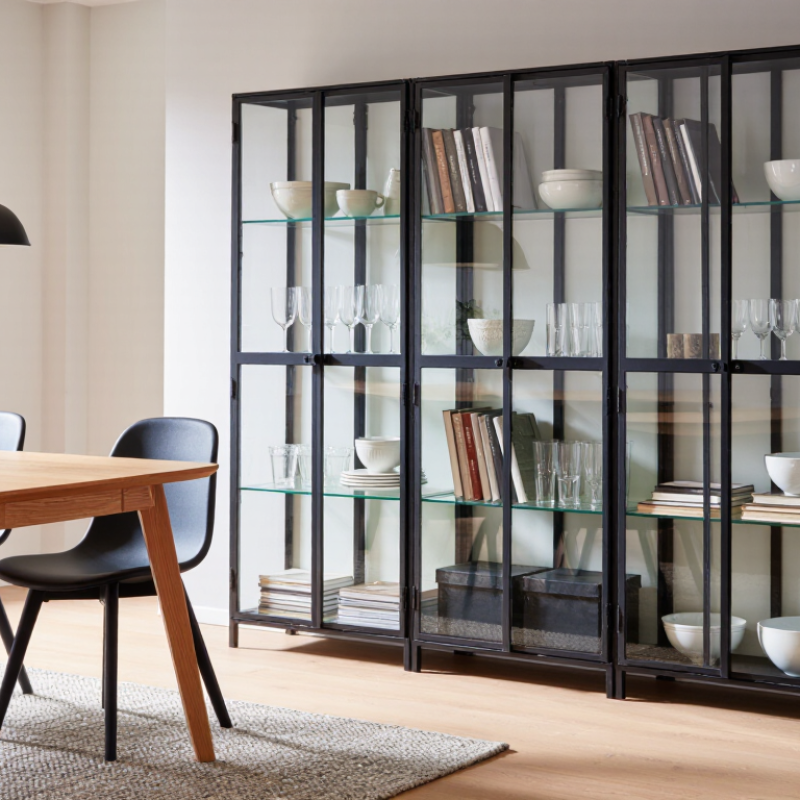
A Glass Door Storage Cabinet keeps useful items visible while giving a room a more orderly appearance. Glass doors let you find a serving bowl, book, or display piece without opening every compartment. They also make shelves feel lighter than solid-front cabinets, especially in smaller rooms. The effect is subtle. A cabinet beside a dining table can hold everyday dishes, while one in a home office can organize files and supplies. Visibility, however, has a trade-off: shelves look best when items are arranged with care. Clutter remains visible.

Choosing the right cabinet means looking beyond its appearance. Check its dimensions, shelf spacing, materials, and stated weight limits before buying. These details help you judge whether it suits heavier dishes or lighter décor. Consider where sunlight falls, too; direct exposure may affect some stored items over time. For households with children or pets, stable placement and any recommended wall anchoring deserve attention. Small details matter.

A glass-front cabinet is not automatically the best choice for every space. It may require more frequent cleaning than a closed cabinet, and fingerprints can show on the panes. Still, its balance of display and storage can be practical when chosen for the room’s real needs. Think about what you plan to store, how often you will use it, and how much upkeep feels reasonable. A thoughtful choice begins with those everyday questions.
Why Choose a Glass Door Storage Cabinet?

What Defines a Glass Door Storage Cabinet and How Does It Work?

Why Choose a Glass Door Storage Cabinet?

A glass door storage cabinet is a cupboard with transparent or translucent panels set into hinged doors. The cabinet body and shelves carry the stored items; the glass mainly provides a view while keeping dust and casual contact away. Open the door on its hinges, reach the shelf, then close it against a catch or soft-close fitting. Simple, but useful.

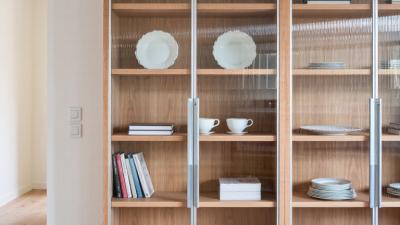
Clear glass makes dishes, books, or neatly folded linens easy to find. Reeded or frosted glass softens the view when shelves look untidy. The National Glass Association states that tempered glass is about four times stronger than annealed glass of the same thickness. Still, strength does not mean it cannot break. Check the product’s glass type, panel fit, hinge alignment, and shelf load rating. A cabinet can look solid while a poorly supported shelf remains the weak point.

Tips: Measure the doorway and cabinet depth before buying. Keep heavy items on lower shelves, and avoid slamming the door. Clean glass with a soft cloth; abrasive pads can leave marks. If fingerprints bother you, choose textured glass. It hides some smudges, not all.
Why Choose a Glass Door Storage Cabinet?

A glass door storage cabinet combines enclosed shelving with a transparent or translucent door panel. The panel lets you see stored items while the door is closed; hinges allow it to swing open for access.

Indicative examples of commonly available panel thicknesses, not a universal specification: smaller framed doors may use 3–4 mm glass, while larger or frameless doors may use 5–6 mm. The suitable thickness depends on the cabinet design; check the manufacturer’s specifications and applicable safety-glazing requirements.

How Tempered Glass Can Be About 4× Stronger Than Annealed Glass

Why Choose a Glass Door Storage Cabinet?

How Tempered Glass Can Be About 4× Stronger Than Annealed Glass

A glass-door storage cabinet keeps dishes, books, or collectibles visible while helping shield them from dust. Tempered glass is heat-treated and rapidly cooled, creating surface compression that improves its strength. It is often described as about four times stronger than annealed glass of the same thickness. The exact comparison depends on the glass and testing method. It is not unbreakable. A sharp impact near an edge can still cause failure, so careful handling matters.

Tips: Check that the cabinet uses tempered glass, and follow its care instructions. Avoid slamming doors or placing heavy objects against the panes. A soft cloth helps prevent scratches during cleaning. Small habits make a difference.

For everyday use, tempered glass offers a practical balance of visibility and resilience. If it breaks, it generally fragments into many small pieces rather than large, sharp shards, though fragments can still cause injury. Keep the cabinet on a stable surface, and don’t overload shelves. I’ve found that glass can show fingerprints sooner than expected, especially in bright rooms. That small drawback is worth considering alongside its clean, open look.

Which Safety Standards Apply: ANSI Z97.1 and CPSC 16 CFR 1201?

ANSI Z97.1 and CPSC 16 CFR 1201 are impact-safety standards for certain types of glazing. They assess whether glass withstands a defined impact and how it behaves if broken. Under ANSI Z97.1, Class A testing uses a 400 ft-lb impact; Class B uses 150 ft-lb. CPSC 16 CFR 1201 sets matching impact levels for Category II and Category I glazing, respectively. These figures come from the standards’ test requirements, not a guarantee that glass cannot break. A cabinet door’s size, location, and intended use affect whether these rules apply, so a glass cabinet does not automatically fall under every architectural-glazing requirement.

For a glass door storage cabinet, ask for documentation identifying the glass type and the standard and category or class tested. Tempered glass typically breaks into small pieces; laminated glass is designed to remain bonded to an interlayer. Neither description alone proves compliance. I would not rely on a vague “safety glass” label. It is an easy detail to overlook.

Tips: Check the product paperwork against ANSI Z97.1 or CPSC 16 CFR 1201, and confirm the rating fits the cabinet’s intended setting. The U.S. Consumer Product Safety Commission’s glazing rule and ANSI’s impact-test classifications are useful references; when paperwork is unclear, ask the seller or manufacturer for the test report.

Why Choose a Glass Door Storage Cabinet? — Which Safety Standards Apply: ANSI Z97.1 and CPSC 16 CFR 1201?
Topic ANSI Z97.1 CPSC 16 CFR 1201 What It Means for a Glass Door Storage Cabinet
Standard name and purpose ANSI Z97.1, Safety Glazing Materials Used in Buildings, sets performance requirements and test methods for safety glazing materials used in building applications. 16 CFR Part 1201, Safety Standard for Architectural Glazing Materials, is a federal regulation covering specified architectural glazing materials and uses. These standards address safety glazing, but a cabinet door is not automatically subject to architectural-glazing requirements just because it contains glass.
Typical scope Applies to safety glazing materials intended for building uses, subject to the standard’s scope and any applicable building-code requirements. Applies to architectural glazing materials used in specified products and locations, including certain doors and related glazing applications described by the regulation. Check the cabinet’s intended installation and use. A freestanding storage cabinet may be treated differently from glazing installed as part of a building door or another regulated application.
Impact classifications Includes Class A and Class B impact classifications. The applicable classification depends on the standard’s test requirements and the product’s intended use. Includes Category I and Category II classifications. Category II represents the higher impact level under the regulation. Do not assume that a glass type or label meets a required classification without checking test documentation for the applicable standard and edition.
Impact-level comparison Class A and Class B are defined by ANSI Z97.1 test criteria. Category I and Category II are defined by the federal regulation’s test criteria. The classification levels are often compared by impact level, but the standards’ requirements and test details are not necessarily interchangeable. Verify the specific certification and requirement.
Why safety glazing can help Safety glazing is tested for specified impact-related performance, not to guarantee that glass cannot break. The regulation establishes impact-performance requirements for covered architectural glazing materials; it does not make glazing unbreakable. For a cabinet, suitable safety glazing can help reduce the risk of severe injury if a door is struck or breaks. Select glass appropriate to the cabinet’s size, location, and expected use.
Common glass options Tempered and laminated glass may be tested and identified as safety glazing when they meet the applicable requirements. Covered glazing materials must meet the applicable requirements for their intended use and classification. Tempered glass typically breaks into many smaller pieces; laminated glass is designed to remain held together by an interlayer after breakage. Neither choice removes the need for suitable design and installation.
When requirements may apply Requirements may apply when the glass is used in a building application governed by the standard or by a code that references it. Requirements apply when the product and use fall within the regulation’s scope. Other federal, state, or local requirements may also be relevant. Confirm whether the cabinet is freestanding, built in, or installed in a location governed by building regulations. Requirements depend on the actual application and jurisdiction.
What to verify before purchase Look for documentation identifying the glass type, applicable ANSI Z97.1 edition, tested classification, and intended application. For a covered use, confirm compliance documentation identifies the applicable CPSC regulation and classification. Ask for test or certification documentation, check any permanent safety-glazing marking where applicable, and confirm that hinges, hardware, and installation support the glass properly.
Practical takeaway Useful as a reference for safety glazing in building applications; it may also be specified voluntarily for other products. A mandatory federal standard for architectural glazing within its defined scope—not a blanket rule for every glass furniture door. Choose a cabinet with clearly specified safety glass when impact risk matters, and verify whether either standard is legally required for the cabinet’s particular use.

How Do Glass Doors Balance Visibility, Dust Protection, and Access?

A glass-door storage cabinet makes everyday items easy to find without leaving them fully exposed. You can spot a mug, folder, or folded table linen through the glass, then open the door only when needed. That small visual cue can save time in a busy kitchen or office. It also helps you notice when shelves are becoming cluttered.

The doors provide a useful barrier against dust, cooking splashes, and curious hands. They are not airtight, though. Fine dust can still enter around the frame, so delicate objects may need occasional wiping. A soft cloth usually handles fingerprints; harsh scrubbing can leave marks or damage some finishes. Visibility has a trade-off. Glass shows the contents, including the untidy bits.

Access depends on the cabinet’s layout. Hinged doors need clear space to swing open, while sliding doors suit tighter walkways but reveal only part of the shelf at once. Check that handles are easy to grip and shelves are not packed too deeply. Heavy items belong lower, where they are easier to lift. I have found that a cabinet can look organized from the outside and still feel awkward to use. The shelf spacing deserves a second look before choosing one.

How to Compare Cabinet Durability Using ANSI/BIFMA X5.9 Testing

Why Choose a Glass Door Storage Cabinet?

How to Compare Cabinet Durability Using ANSI/BIFMA X5.9 Testing

A glass door storage cabinet keeps supplies visible while helping protect them from dust. But attractive doors are only part of the decision. ANSI/BIFMA X5.9 provides test methods for evaluating storage-unit performance under specified conditions. Depending on the cabinet type, testing may examine stability, structural strength, and the durability of components such as doors, drawers, and shelves.

Small details matter. A shelf that sags under binders can quickly make a cabinet less useful.

When comparing products, ask for a test report tied to the exact model and configuration. Check what loads were used, which components were tested, and whether the results match your intended use. A pass under one setup does not guarantee identical performance in every room or with every load. Also, do not assume X5.9 testing alone confirms a glass panel’s impact performance or safety characteristics. Those details may require separate documentation.

This distinction is easy to overlook.

Tips: Compare shelf capacity with the weight of items you actually store, not just their volume. Look for sturdy hinges and doors that close without wobbling. If possible, inspect the cabinet assembled; a smooth-looking finish can hide loose joints. Test reports help, but they are not the whole story. Check the care instructions, too.