How to Choose the Best Garage Cabinet for Your Organization Needs?
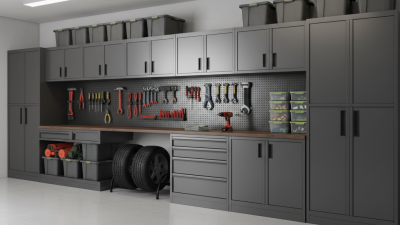
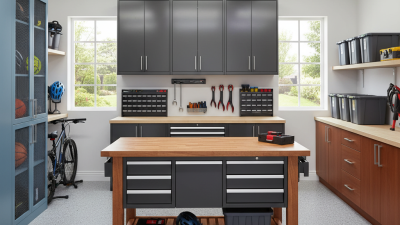
When it comes to organizing your garage, choosing the right garage cabinet is crucial. According to expert Marie Anderson, a leading authority in home organization, "The right cabinet can transform chaos into order." This statement highlights the impact that a well-chosen garage cabinet can have on your space.
A variety of options exist in the garage cabinet market. Some prioritize durability, while others emphasize style and space-saving features. Consider your specific needs. It’s easy to feel overwhelmed. Many homeowners make the mistake of rushing to buy. They often forget to assess their storage requirements.
Look at different sizes, materials, and designs. This process requires careful thought. For instance, metal cabinets offer strength, while wood can add warmth to your garage. Choosing wisely can lead to enhanced functionality. Reflect on what you truly need as you navigate the options. A garage cabinet is not just a purchase; it’s an investment in your organizational efforts.
Understanding Your Storage Needs for a Garage Cabinet
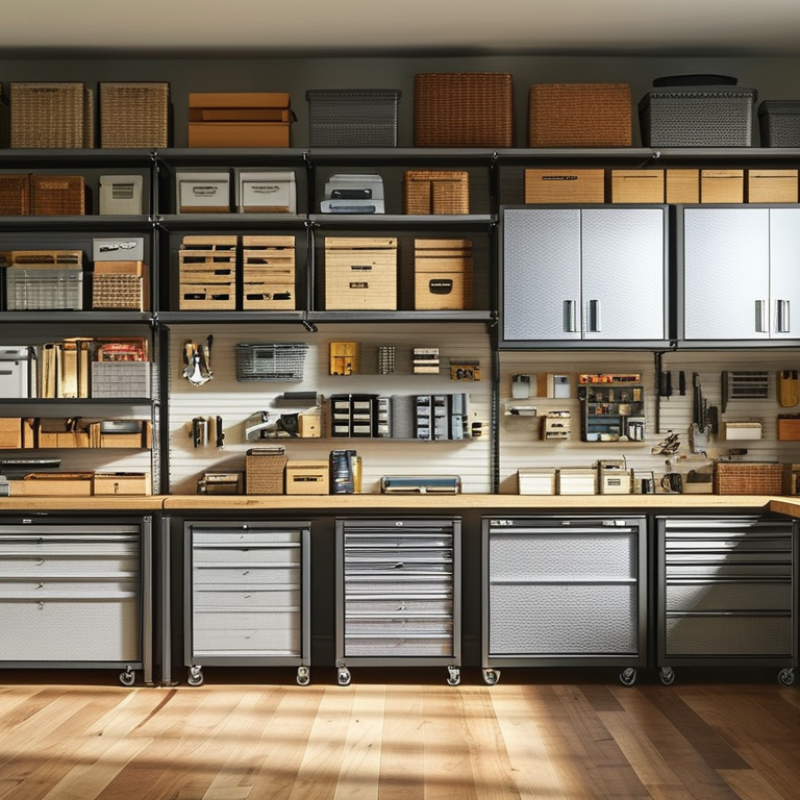
Understanding your storage needs for a garage cabinet is crucial for maximizing space. Start by evaluating your garage layout. Consider the square footage and wall space available. Think about the types of items you plan to store. Tools, seasonal items, and household supplies might all require different storage solutions.
Assess how frequently you'll access these items. Daily use tools should be within easy reach. Items used less often can go higher up or in deeper storage. Additionally, consider the material of the cabinet. Metal options may provide more durability, while wood can offer a warmer look. Reflect on your style preferences too.
Finally, don't hesitate to revisit your choices as your needs change. An effective storage solution is often dynamic. You might find that what works now won’t serve you in the future. This flexibility will help ensure your garage remains organized and functional. Think critically about your choices and keep refining them for better efficiency.
Storage Capacity Needs for Garage Cabinets
Assessing Garage Space: Dimensions and Layout Considerations
When selecting a garage cabinet, the first step is assessing your garage space.
Measure the dimensions of your area. Be precise; a few inches can make a difference. Consider the layout as well.
Is it long and narrow? Or does it have an open design? Each shape allows for different storage solutions.
Think about how you'll use the space. If you have tools, gardening supplies, or sports gear, your cabinet should fit those needs.
Visualize the flow of movement in your garage. You should access everything easily. Sometimes,
clutter can limit this. Reflect on what you frequently need and where it will go.
Remember, not all cabinets are created equal. Some may not fit your aesthetic or functional needs.
Research different materials and designs. A well-organized space enhances productivity.
But creating that space can be a journey. It requires patience and reflection on your habits and preferences.
Adjusting your cabinet choice based on your actual layout
can lead to better organization and satisfaction.
Types of Garage Cabinets: Comparing Features and Materials
Choosing the right garage cabinet can significantly enhance your organization. Various types of garage cabinets are available, each with unique features and materials.
Metal cabinets are known for durability, resisting rust and corrosion.
Wood cabinets may be visually appealing but often lack resistance to moisture, which can lead to warping.
Plastic cabinets are lightweight and affordable, yet they may not withstand heavy loads.
When evaluating materials, consider the cabinet's intended use. For storing tools, a robust metal cabinet is ideal. Wooden cabinets can serve well as display cases for collectibles. However, wood may not hold up well in humid environments. A study shows that 75% of homeowners prefer cabinets that combine aesthetics with functionality.
Tips: Assess your garage's conditions. If you have a damp environment, avoid wood materials. Also, think about the weight of items stored. Cabinet shelves should support heavy tools without bending. This reflection on personal needs can lead to better decisions.
Consider features like adjustable shelves, locks, and pegboards. These can enhance your organization plan. Remember that overloading cabinets is a common mistake. Always analyze your storage needs before deciding on a cabinet type. This approach minimizes future frustrations and inefficiencies.
Evaluating Storage Capacity: Shelving, Drawers, and Accessories
When evaluating storage capacity for your garage cabinet, consider the types of items you will store.
Shelving is essential for larger items like bins and boxes. Sturdy shelves can hold weight and provide easy access.
Ensure the height and depth of shelves fit your needs. Adjustable shelves offer flexibility as your storage requirements change.
Drawers are crucial for organizing smaller tools and accessories. They help minimize clutter and allow quick retrieval of items.
Look for drawers with labels to identify contents easily.
Think about drawer depth. Some may store larger items, while others can only hold smaller tools.
Also, consider how many drawers you need. Too few may limit your organization.
Accessories like hooks and bins can enhance your cabinet's functionality.
Hooks are excellent for hanging tools like shovels or rakes. Bins can keep smaller supplies organized and accessible.
Reflect on your storage challenges. You might realize that the right combination of shelving, drawers, and accessories can make your garage
more efficient and visually appealing. Evaluate your past organization struggles to find what truly works for you.
Budgeting for Garage Cabinets: Cost-Effective Options and Upgrades
When budgeting for garage cabinets, it's essential to consider various options that meet your organizational needs. Observe your garage space closely. Take note of what tools and equipment you own. This assessment will guide your decisions. High-quality materials are important for durability, but they can also increase costs. Consider using a mix of different materials. For example, metal cabinets are sturdy, while plastic options are lighter and often cheaper.
Cost-effective choices are available. You might find great deals on DIY projects. These can save money and add a personal touch. Check local home improvement stores or online marketplaces for discounted items. Look for modular systems that can adapt to your changing storage needs. These can help prevent overspending. You can also consider pre-owned cabinets. They often come at a fraction of the price of new ones.
Reflecting on your garage layout is vital. Are you occupying floor space unnecessarily? Wall-mounted cabinets can free up room. Always weigh the long-term benefits against initial costs. Cheaper options may not provide the storage life you expect. In the end, focus on what you truly need. Create a well-organized garage that serves you, without breaking your budget.
How to Choose the Best Garage Cabinet for Your Organization Needs? - Budgeting for Garage Cabinets: Cost-Effective Options and Upgrades
| Cabinet Type |
Material |
Size (inches) |
Weight Capacity (lbs) |
Price Range ($) |
Ideal For |
| Wall-mounted cabinet |
Steel |
30 x 24 x 12 |
100 |
150 - 300 |
Limited space storage |
| Freestanding cabinet |
Wood |
36 x 48 x 18 |
300 |
200 - 500 |
Heavy duty storage |
| Tool chest |
Metal |
40 x 20 x 20 |
200 |
100 - 400 |
Tool organization |
| Plastic storage cabinet |
Plastic |
30 x 14 x 14 |
50 |
50 - 150 |
Lightweight items |
| Modular cabinet system |
Mixed |
Modular |
Varies |
300 - 1000 |
Customizable storage |