How to Choose the Best File Cabinet for Your Office Needs?
Choosing the right file cabinet for your office needs is crucial. A well-organized workspace improves efficiency. According to the International Association of Administrative Professionals, disorganization can waste up to 30% of an employee's time. Selecting the appropriate file cabinet helps mitigate this issue.
File cabinets come in various styles and sizes. Research by the Office Furniture Dealers Association indicates that the demand for multifunctional storage solutions is on the rise. Businesses are increasingly seeking cabinets that not only store files but also enhance aesthetics. This trend reflects a strong desire for efficient workspaces.
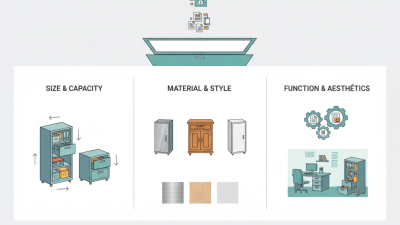
Consider factors like material, size, and locking mechanisms. A sturdy metal cabinet may last longer than a plastic one. However, wood can add elegance to your office environment. Keep in mind that the choice is not just about functionality but also about creating a conducive workspace. Ultimately, the right file cabinet can significantly impact office productivity and organization.
Understanding Different Types of File Cabinets: A Comprehensive Guide
When choosing a file cabinet, it’s essential to understand the various types available. Vertical cabinets are great for saving space. They fit into tight office corners easily. These cabinets typically come in two to five drawers. Each drawer can hold a significant number of files. However, they may not be ideal for high-capacity storage needs.
Lateral cabinets offer more space for horizontal file organization. They allow users to store larger documents without folding them. This style works well in offices with ample wall space. However, their size can be a drawback in smaller work environments. Consider how often you access files. This will influence your choice between vertical and lateral designs.
Mobile cabinets are another option. They provide flexibility in the workspace. It’s easy to move them as needed. However, they may sacrifice sturdiness for mobility. Durable material selection is crucial to ensure longevity. Reflecting on these factors can lead to a more informed decision. Making the right choice involves balancing your office’s layout with your filing needs. Finding the ideal cabinet enhances both organization and productivity.
Assessing File Cabinet Sizes and Dimensions for Optimal Space Utilization
Choosing the right file cabinet starts with understanding the available space in your office. A thoughtful analysis of dimensions can make a significant difference. Measure your available space carefully. Ensure you account for door clearance, especially in smaller offices. Many overlook this simple detail, leading to frustration.
File cabinets come in various sizes, typically ranging from two to five drawers. Height is crucial, especially in cramped areas. Tall cabinets may offer more storage but can overwhelm a small room. Balance vertical space with horizontal needs. Include space for documents that stack on top of the cabinet, which can contribute to clutter. Consider cabinets with adjustable shelves; they can adapt over time as your storage needs change.
Despite these guidelines, the decision can still feel daunting. Some cabinets may provide ample storage but clash with your office decor. Others may fit aesthetically but lack in function. Striking that balance can be challenging. Reflect on your current and future needs. What serves you today might not suffice tomorrow. Evaluate your options regularly and be ready to adapt. Finding the perfect cabinet is an evolving process, not a one-time choice.
Evaluating Material Durability: Metal vs. Wood File Cabinets
When choosing a file cabinet, the material is crucial. Metal cabinets offer robust durability, capable of enduring heavy loads and frequent use. They resist scratches and dents, making them an ideal choice for high-traffic offices. Their sleek design also adds a modern touch to the workspace.
On the other hand, wood cabinets provide warmth and aesthetic appeal. They can enhance the ambiance of an office, giving it a more personalized feel. However, wood can be less durable in the face of moisture and heavy use. It may not withstand impacts as well as metal. This makes it essential to consider your office environment and filing habits.
Reflecting on the decision may reveal personal biases. Some may prefer the look of wood, while others lean toward metal's strength. It's vital to assess how the cabinet aligns with your office culture and needs. Opting for one over the other involves weighing aesthetics against functionality. Ultimately, understanding these materials will lead to a more informed choice.
Organizational Features: Drawers, Locks, and Labeling Systems
When selecting a file cabinet, consider its organizational features carefully. Drawers come in various sizes and styles. A two-drawer cabinet may suffice for personal use. However, businesses often need larger units. Think about how frequently you access files. Shallow drawers work for documents accessed daily. Deeper drawers are good for less frequently used items.
Locks are essential for securing sensitive information. Many file cabinets offer built-in locks. If security is a priority, choose cabinets with high-quality locking mechanisms. This not only protects valued documents but also promotes trust in your office environment. Remember, no system is infallible. Regular checks are vital for maintaining security.
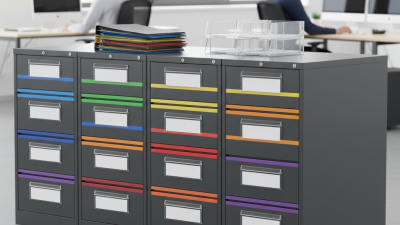
Labeling systems enhance efficiency. Consider how you categorize your files. Simple labels can suffice for small tasks. For complex projects, color coding or clear labeling can save time. Evaluate the clarity of your labeling. If it's not intuitive, it may lead to confusion. An organized system should facilitate easy retrieval, not hinder it. Your filing solution should grow and adapt with your office needs.
Budgeting for Your Office File Cabinet: Cost vs. Functionality Analysis
When budgeting for an office file cabinet, understanding cost versus functionality is crucial. Studies show that over 30% of small businesses undervalue the importance of efficient storage solutions. Choosing a cabinet requires balancing your budget with the needs of your office. If you’re looking for basic file storage, standard metal cabinets may suffice, typically costing between $100 and $300. However, specialized cabinets with enhanced security features often range from $400 to over $1,000.
Investing in a higher-quality file cabinet can enhance organization and productivity. Data from office furniture reports indicates that proper filing systems can reduce time spent searching for documents by up to 20%. However, it’s also important to consider your space. An oversized cabinet can dominate a small office, leading to potential frustration. Smaller, vertical options may be more space-efficient, though they may not accommodate larger documents. The right cabinet is a blend of practical needs and budget constraints that align with your office dynamics.
Comparing Cost vs. Functionality of File Cabinets
This chart compares various types of file cabinets based on their cost and functionality ratings. The bars represent the price in dollars, while the different colors indicate the functionality rating on a scale of 1 to 10.