How to Choose the Best File Cabinet for Your Office?
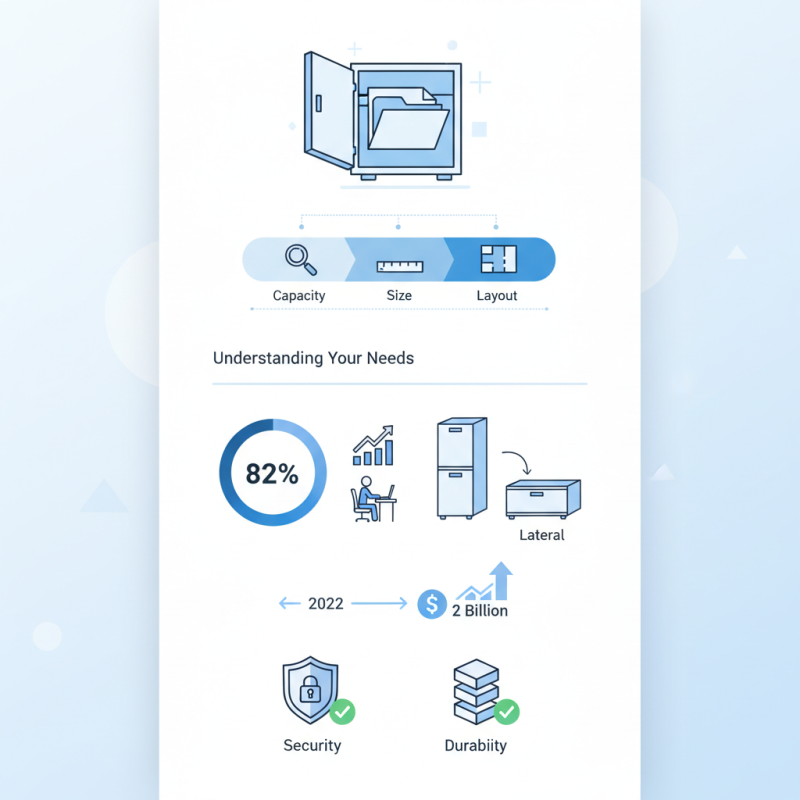
When selecting the best file cabinet for your office, understanding your needs is essential. A file cabinet plays a crucial role in maintaining organization and efficiency in the workplace. According to a report by the Office Furniture Association, 82% of office workers feel that an organized workspace boosts productivity. A suitable file cabinet can streamline access to documents and reduce clutter.
The market offers various types of file cabinets, such as vertical and lateral designs. In 2022, the global file cabinet market was valued at approximately $2 billion, indicating high demand. Yet, many businesses overlook the importance of durability and security features in their choices. A flimsy cabinet can lead to lost documents and frustration.
Choosing the right file cabinet is not just about aesthetics. It requires careful consideration of capacity, size, and layout. Potential buyers often find themselves unsure of what fits their office best. Reflecting on these factors can lead to better decision-making and improved workspace efficiency.
Understand Your Storage Needs and Office Space
When choosing a file cabinet for your office, understanding your storage needs is critical. An industry report shows that 70% of employees feel clutter impacts their productivity. Clutter reduces concentration. Therefore, your cabinet should align with the specific types of documents you manage. Ask yourself, how much paper do you work with?
Consider your office space, too. A large cabinet might not be suitable for smaller offices. According to a workspace utilization study, over 50% of office spaces are underutilized. Choosing the right size prevents you from wasting valuable real estate. Measure your available space before shopping. A cabinet that is too big can create a cramped atmosphere.
Storage solutions must also adapt over time. More organizations are shifting to digital documents. Yet, the need for physical storage remains significant. Reports suggest that 75% of companies still retain some paper files for compliance purposes. Balancing these needs can be tricky. Evaluate how your storage plans might change in the next few years. An efficient file cabinet should grow with your business while accommodating current requirements.
Evaluate Different Types of File Cabinets Available
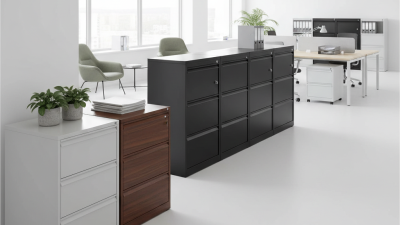
When choosing a file cabinet for your office, it’s important to evaluate different types that suit your needs. Vertical file cabinets are popular for their compact design. They can fit snugly in smaller spaces, but they may limit accessible top drawers. Consider lateral file cabinets if you have more room. They provide wider drawers and easier access to files. However, they might take up more floor space, which isn't always ideal.
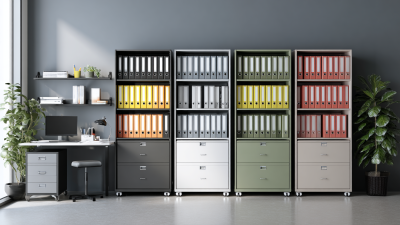
Another option is mobile file cabinets, equipped with wheels. These cabinets allow for easy relocation around the office, promoting flexibility. On the downside, they may compromise stability and can tip if not loaded carefully. Desks with built-in storage can be efficient, but they often lack the capacity for bulk files. Reflect on what materials you need to file regularly. Your personal work habits might favor one type over another.
Think about security features, too. Some cabinets offer locking mechanisms for sensitive documents. Others prioritize quick access over security. Balancing access with protection can be tricky. Also, consider the material—metal versus wood. Metal can be more durable, while wood provides a warmer aesthetic. Each choice has its drawbacks. Evaluate your priorities carefully to find the best fit for your office space.
How to Choose the Best File Cabinet for Your Office? - Evaluate Different Types of File Cabinets Available
| Type of File Cabinet |
Material |
Number of Drawers |
Locking Mechanism |
Ideal Use |
| Vertical File Cabinet |
Steel |
2 to 5 |
Key Lock |
General Office Use |
| Lateral File Cabinet |
Wood |
2 to 6 |
Electronic Lock |
Home Office |
| Mobile File Cabinet |
Metal |
1 to 3 |
None |
Small Office Spaces |
| Fireproof File Cabinet |
Steel |
2 to 4 |
Key Lock |
Important Document Storage |
| Wooden File Cabinet |
Wood |
2 to 5 |
None |
Executive Spaces |
Consider Material and Durability of File Cabinets
When choosing a file cabinet, the material and durability are key factors. Metal cabinets are sturdy and can withstand heavy use. They resist rust and last for years. However, they can be heavy and difficult to move. Wooden cabinets offer a classic look but may not hold up as well under constant pressure. They can scratch or dent easily, leading to a less polished appearance over time.
Thinking about your office environment impacts your choice too. If your office has fluctuating temperatures, consider a material that can adapt. Cheap plastic cabinets may warp or lose shape. There’s something to be said for investing in quality. A durable file cabinet reduces future costs for replacements. Sometimes, it’s easy to overlook the importance of a solid foundation. Choosing a cabinet that might seem pricey now can pay off in the long run. Think about the wear and tear of everyday use. A cabinet that begins to show age quickly can feel disappointing. You want your workspace to inspire, not detract.
Material Durability of File Cabinets
Assess Security Features for Sensitive Documents
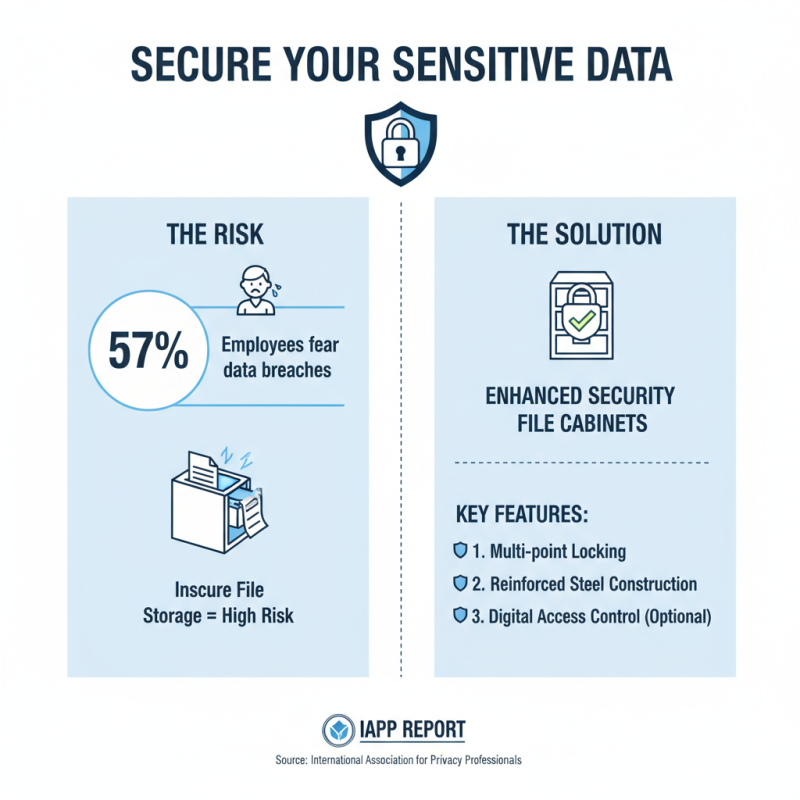
When choosing a file cabinet for your office, security features are vital, especially for sensitive documents. A recent report by the International Association for Privacy Professionals indicates that 57% of employees fear data breaches due to insecure file storage. This fear highlights the need for enhanced security in office environments.
Look for cabinets with robust locking mechanisms. A simple lock may not be sufficient. While a high-security locking system can deter most unauthorized access, consider additional features like fireproofing or water resistance. According to a survey by the Security Industry Association, around 30% of businesses have lost critical documents to fires or floods. Investing in fire-resistant file cabinets can safeguard your important files against such risks.
Assessing document security also includes evaluating the actual environment. Even a sturdy cabinet placed in a common area may still face security threats. Regular audits should be part of your strategy. For instance, the Ponemon Institute reported that 70% of data breaches occur due to insider threats. Reflecting on your security measures is a continuous process, and it’s essential to adapt as risks evolve.
Determine Budget and Cost-Effectiveness of Options
When selecting a file cabinet, budget plays a crucial role. A study by the Office Furniture Dealers Association noted that organizations often allocate 7% of their overall budget to office furniture. This highlights the importance of cost-effectiveness. Not every expensive cabinet guarantees superior quality.
Consider the materials used in construction. Steel cabinets may cost more upfront but often last longer than wood options. A survey by IBISWorld revealed that durable cabinets reduce replacement costs by 20% over five years. Investing in sturdier files could decrease long-term expenses, benefiting the overall budget.
Evaluate additional costs too. Delivery fees, assembly charges, and maintenance should be factored in. Some cabinets require periodic refinishing. According to the National Office Furniture Association, neglecting these aspects can inflate costs by up to 15%. Careful budgeting translates to better decision-making in choosing the right cabinet. Awareness of these details is essential for maximizing investment.