How to Choose the Right Document Cabinet in 2026?
How to Choose the Right Document Cabinet in 2026? The question is more practical than it appears. A cabinet protects records, controls access, and shapes daily office efficiency. It should also support changing storage habits, including hybrid paper and digital workflows.
IBM’s Cost of a Data Breach Report 2024 placed the global average breach cost at $4.88 million. That figure concerns digital incidents, yet it reinforces one lesson: information needs disciplined protection. A poorly secured drawer can expose contracts, payroll records, or customer addresses within seconds. Small weaknesses matter.
The right Document Cabinet begins with risk, not appearance. Consider fire resistance, lock quality, access logs, load capacity, and floor placement. UL Solutions and Underwriters Laboratories testing can help verify fire-resistance claims. NFPA 232 also provides recognized guidance for protecting records and storage areas. Check the certification details carefully. Marketing language can sound stronger than the evidence.
Space planning matters too. A 900-millimeter cabinet may hold more files, but it can restrict aisle movement. Measure folders, shelves, handles, door clearance, and future growth. The International Facility Management Association continues to emphasize data-informed workplace planning, although storage decisions are often still based on guesswork. That is an uncomfortable gap.
This guide compares cabinet materials, security levels, fire ratings, ergonomic features, and ownership costs. It also questions a common assumption: the largest cabinet is rarely the most efficient choice. A smaller, categorized system may reduce retrieval time and improve accountability. The final decision should reflect your records schedule, threat profile, staff habits, and available floor space—not a glossy product photograph.
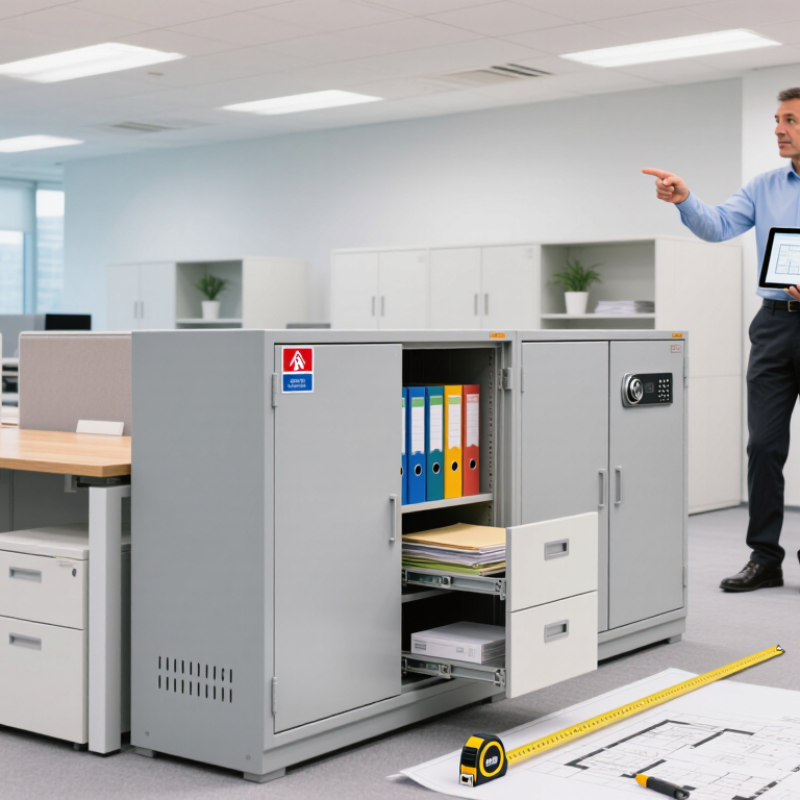
Understanding Document Cabinet Types and Their Primary Uses
How to Choose the Right Document Cabinet in 2026?
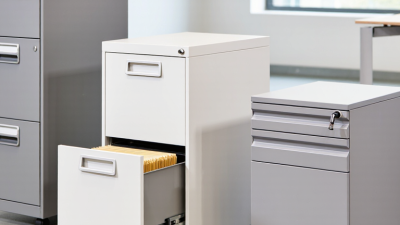
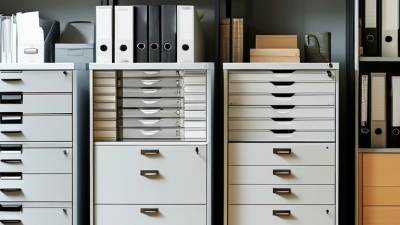
Document cabinets serve different storage problems. Vertical cabinets use narrow floor space and suit offices with limited wall clearance. Their deep drawers hold folders upright, but crowded drawers can become difficult to search. Lateral cabinets store files side by side, making labels visible at a glance. They work well beside shared desks or along long walls. Mobile pedestal cabinets fit under desks and keep frequently used documents nearby. They are convenient, but their smaller capacity may disappoint growing teams.
Fire-resistant cabinets protect paper during short exposure to heat, provided their certified rating matches your risk plan. Lockable cabinets support controlled access for payroll, contracts, and client records. A good lock is not enough. Check drawer construction, key control, and access procedures. In practical office planning, measuring doorway width prevents an expensive delivery mistake. Measure twice. Also inspect the cabinet’s weight capacity, anti-tip design, and ventilation. Heavy drawers can strain uneven flooring, especially in older rooms. I once underestimated daily filing volume, and a compact cabinet filled too quickly. That mistake changed my selection process. Estimate current records, then allow room for future growth. Use clear labels, consistent folders, and a simple review schedule. A cabinet should protect documents, not hide them.
How to Choose the Right Document Cabinet in 2026?
Understanding Document Cabinet Types and Their Primary Uses
How to read this chart: Choose a cabinet according to the largest document format you need to store. Vertical, mobile, and fire-resistant cabinets are commonly designed for A4 files, while lateral cabinets often accommodate A3 documents. Plan and map cabinets are intended for large-format drawings and records up to A0 size.
Document areas are calculated from ISO 216 paper dimensions: A4 = 210 × 297 mm, A3 = 297 × 420 mm, and A0 = 841 × 1189 mm. Actual cabinet capacity and supported formats vary by model.
Comparing Materials, Security Features, and Fire Resistance
How to Choose the Right Document Cabinet in 2026?
Choosing a document cabinet starts with its material, not its appearance. Powder-coated steel offers strong impact resistance and supports heavy files without bending. However, steel can conduct heat quickly during a fire. Composite cabinets may provide better insulation, but their panels can be heavier and harder to repair. Wood-based units look warmer, yet they usually need additional fire protection for critical records.
Security features should match the documents inside. A reliable cabinet may include a recessed lock, reinforced hinges, anti-pry doors, and adjustable internal compartments. Electronic locks offer access records, while mechanical locks remain useful when batteries fail. Check the door alignment by hand. Small gaps can weaken both security and smoke protection. A cabinet that feels difficult to close may become worse when fully loaded.
Fire resistance requires careful reading. Look for an independently tested fire rating, test temperature, and protection time. “Fire-resistant” alone is too vague. Paper records often need a different rating from digital storage media. Place the cabinet away from heaters, windows, and damp floors. Keep it level, and avoid overloading drawers. I have seen excellent cabinets lose value because users blocked the locking mechanism with folders. The perfect cabinet does not exist; protection depends on installation, maintenance, and daily habits.
Evaluating Space, Accessibility, Durability, and Workplace Design
How to Choose the Right Document Cabinet in 2026?
Evaluating Space, Accessibility, Durability, and Workplace Design
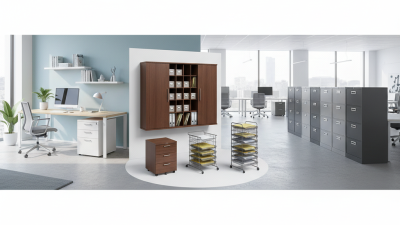
A document cabinet should fit the workflow, not merely fill an empty wall. Measure usable floor space, door swing, walking clearance, and nearby desk positions. A narrow cabinet may save space, yet create awkward reach and daily congestion. The 2024 Global Workplace Survey by Gensler, covering more than 14,000 workers, found that only 43% rated their workplace as effective. That gap suggests storage deserves serious design attention.
Accessibility matters during rushed moments. Place frequently used files between waist and shoulder height. Use clear labels, smooth runners, and handles that work with limited grip strength. The 2024 Leesman Index, drawing on more than 2.5 million responses, continues to identify storage as an important workplace experience factor. Lockable sections protect sensitive records, but a cabinet that is always locked can quietly encourage poor filing habits. I have seen teams create unofficial piles beside an excellent cabinet. The design was not entirely successful.
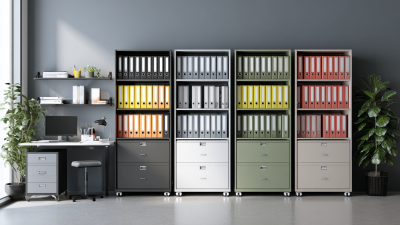
Tips: Map file activity for one week before buying. Keep daily records closest to users. Choose adjustable shelves for changing formats. Check tested load ratings, hinge quality, and drawer cycle performance. Powder-coated steel usually handles busy offices well, but dents still happen. Add wall anchoring where required, especially in taller units. Leave some spare capacity; completely full cabinets become difficult to search and maintain. A practical target is 15–20% unused space.
Balancing Budget, Maintenance, Sustainability, and Long-Term Value
How to Choose the Right Document Cabinet in 2026?
Budget should be measured beyond the purchase price. A cabinet with weak runners, poor locks, or limited spare parts can increase maintenance costs quickly. Check drawer load ratings, corrosion resistance, warranty coverage, and repair access. Ask whether technicians can replace common parts without removing the entire cabinet. No spreadsheet captures every frustration. Staff also lose time when drawers stick or labels become unreadable.
Sustainability deserves practical attention, not vague promises. The World Green Building Council reports that buildings create about 39% of global energy-related carbon emissions, including operational and embodied impacts. Cabinet materials therefore matter. Prefer recycled steel, durable finishes, low-emission coatings, and designs that can be repaired or recycled. Request environmental product declarations when available. Avoid choosing recycled content alone; a short service life may cancel its benefit.
Storage efficiency also affects long-term value. The U.S. Environmental Protection Agency reported that paper and paperboard represented about 23.1% of municipal solid waste generation in 2018. Better indexing and secure digital workflows can reduce unnecessary printing, but physical records still need dependable protection. Select adjustable interiors, clear labeling, and fire-resistant features where risk assessments require them. A flawed assumption is treating maximum capacity as the best value. Overfilled drawers create damage, slower retrieval, and unsafe handling. Pilot one cabinet for several weeks before approving a larger purchase.