Top 10 Document Cabinet Tips for Efficient Organization and Easy Access
In today's fast-paced business environment, effective document management is vital for organizational success. A well-structured Document Cabinet can drastically enhance not only accessibility but also the overall efficiency of handling important paperwork. According to a recent report by the Association for Information and Image Management (AIIM), companies that implement organized document management solutions can reduce operational costs by up to 30%. This statistic underscores the significant return on investment that a well-organized Document Cabinet can provide.
Expert in the field of document management, Dr. Anne Miller, emphasizes the importance of organization within physical and digital workspaces. She notes, “A systematic Document Cabinet system is not just a storage solution; it’s a cornerstone of productivity.” Dr. Miller’s insights highlight how streamlining access to information can minimize delays and enhance decision-making processes in all types of organizations.
As businesses continue to evolve, adopting efficient organizational strategies for document storage is essential. The following tips will help you create an optimized Document Cabinet environment, ensuring that your files are not only easy to access but are also stored efficiently, promoting a culture of productivity within your team.
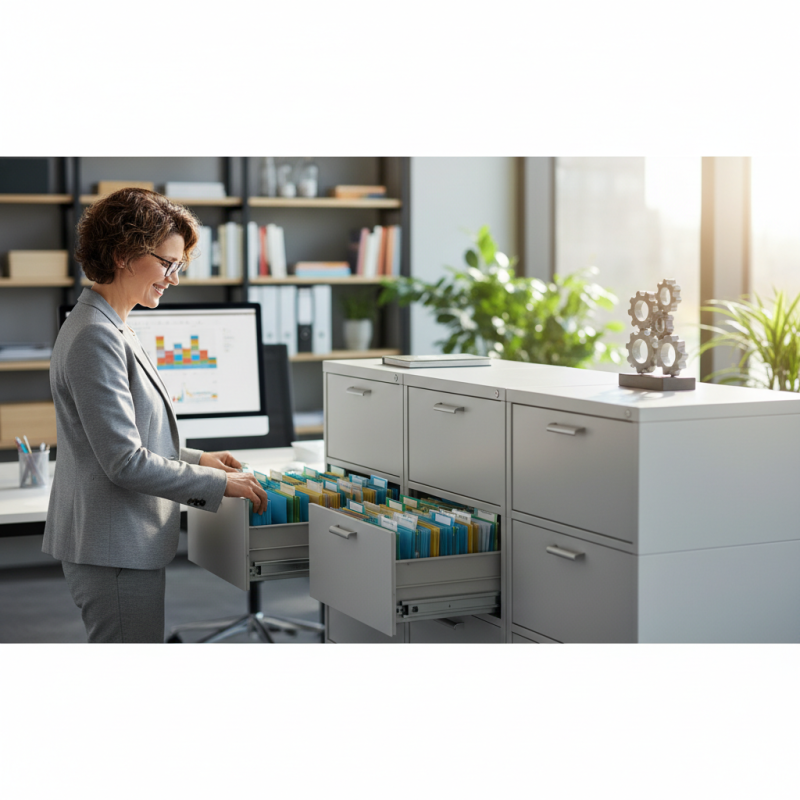
Understanding the Importance of Document Organization in the Workplace
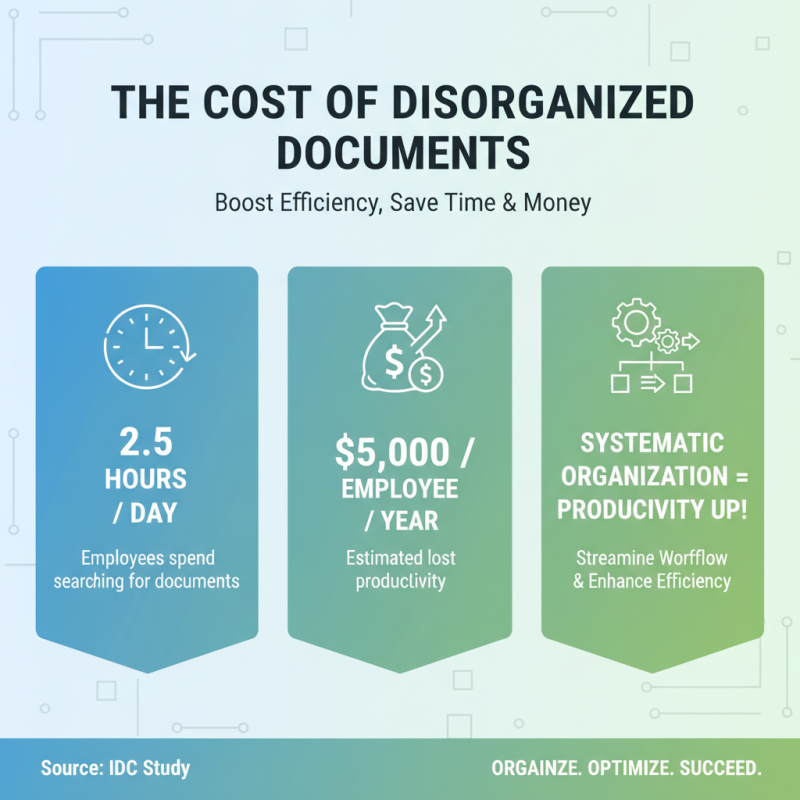
In today's fast-paced workplace, efficient document organization is not just a matter of preference; it's a necessity. According to a study by the International Data Corporation (IDC), employees can spend up to 2.5 hours daily searching for documents and information. This adds up to significant lost productivity, estimated to cost businesses approximately $5,000 per employee annually. Consequently, adopting systematic organization methods not only streamlines workflow but also enhances overall efficiency.
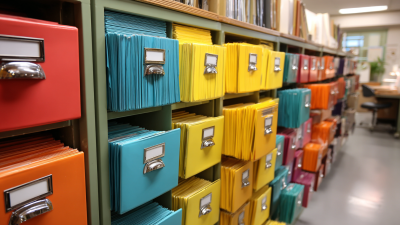
Implementing a well-structured document cabinet system is crucial for quick access. One tip is to categorize documents based on frequency of use; place frequently accessed files at the front and less critical documents at the back. Utilizing color-coded labels can also facilitate speedy identification and retrieval. Additionally, regular audits of the cabinet contents can help eliminate outdated materials, ensuring that only relevant documents remain accessible.
Moreover, integrating digital document management solutions can complement physical organization. According to a report by the AIIM (Association for Information and Image Management), organizations that adopted a hybrid approach—combining physical and digital document storage—reported a 30% increase in overall document efficiency. This dual strategy not only simplifies access but also enhances collaboration among employees, ultimately contributing to a more productive work environment.
Selecting the Right Type of Document Cabinet for Your Needs
When selecting the right type of document cabinet for your needs, it’s essential to consider factors such as space, document volume, and accessibility. Start by assessing the available space in your office or storage area. If you have limited floor space, consider vertical cabinets that maximize storage without taking up too much room. For larger collections of documents, horizontal cabinets can provide ample storage while allowing for easy retrieval and organization.
Furthermore, think about the types of documents you will be storing. If you handle large files or binders, opt for cabinets specifically designed for oversized documents. On the other hand, if your needs are centered around standard letter-sized papers, a conventional filing cabinet will suffice. Additionally, consider the level of security required for your documents. Cabinets with locking mechanisms are ideal for sensitive information, while open shelving might be appropriate for less confidential materials. By evaluating these key factors, you can ensure that you choose a document cabinet that enhances both organization and access.
Document Organization Efficiency
Effective Labeling Techniques for Quick Document Retrieval
Effective labeling techniques play a crucial role in ensuring quick document retrieval within a document cabinet system. A recent study from the International Association for Information and Image Management highlights that organizations lose approximately 20-30% of productivity due to inefficient document management practices. One of the most effective strategies for enhancing efficiency is the implementation of a structured labeling system. By categorizing documents using clear, descriptive labels, users can access needed information swiftly, reducing the time spent searching for files.
Moreover, color-coding labels can further boost organizational efficiency. Research published in the Journal of Organizational Behavior found that color-coded systems can improve memory retention by up to 78%. By visually distinguishing different categories of documents—such as invoices, contracts, and correspondence—employees can easily locate files at a glance. Additionally, incorporating digital labels or QR codes for electronic access can bridge physical and digital document management, streamlining overall retrieval processes. Implementing these labeling techniques not only enhances accessibility but also fosters a more organized and efficient work environment.
Top 10 Document Cabinet Tips for Efficient Organization and Easy Access
Effective Labeling Techniques for Quick Document Retrieval
| Tip Number |
Tip Description |
Labeling Technique |
Benefits |
| 1 |
Use Clear Categories |
Color-Coded Labels |
Easier sorting and faster retrieval |
| 2 |
Prioritize Frequently Accessed Documents |
Label Placement by Usage |
Saves time on document access |
| 3 |
Standardize Your Labeling System |
Consistent Font and Size |
Uniform appearance for quick recognition |
| 4 |
Use Descriptive Titles |
Full Names Instead of Acronyms |
Reduces confusion during retrieval |
| 5 |
Regularly Update Your Files |
Archive Outdated Documents |
Keeps the system streamlined |
| 6 |
Make Use of Dividers |
Label on Each Divider |
Enhances organization within sections |
| 7 |
Utilize Digital Backups |
Labels for Digital Files and Folders |
Improves security and retrievalspeed |
| 8 |
Implement a Color Scheme |
Colors by Department or Project |
Quick visual identification |
| 9 |
Label Size Matters |
Use Larger Labels for Primary Folders |
Facilitates easy recognition |
| 10 |
Involve Team in Organization |
Gather Input on Labeling |
Ensures everyone is on the same page |
Implementing a Consistent Filing System for Easy Access
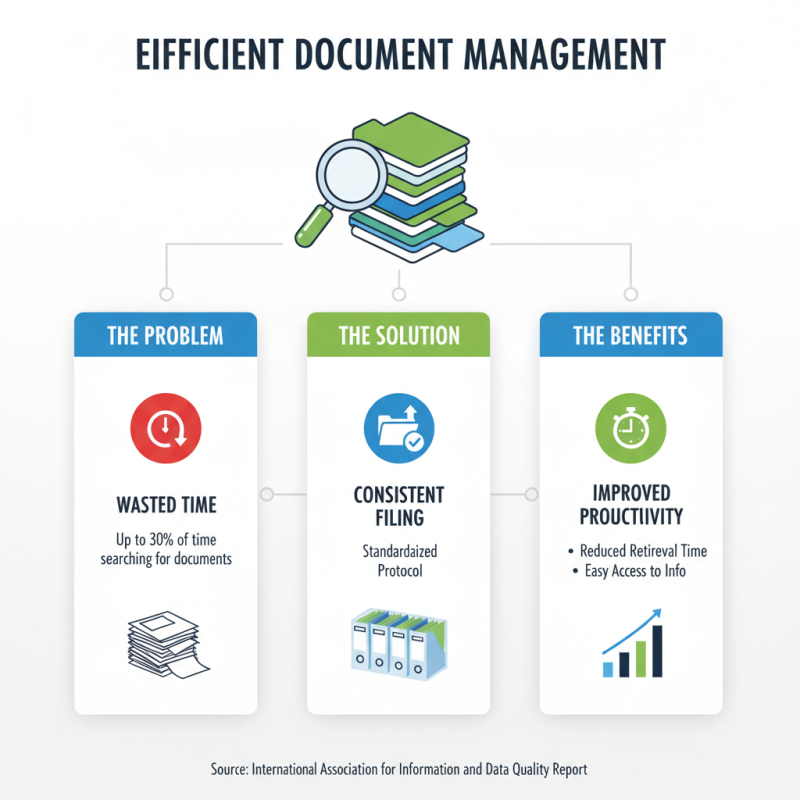
Implementing a consistent filing system is crucial for any organization seeking efficient document management and easy access to vital information. According to a report by the International Association for Information and Data Quality, businesses can waste up to 30% of their time searching for documents due to poor organizational systems. By establishing a standard filing protocol, companies can alleviate this issue, significantly reducing retrieval time and improving overall productivity.
One effective strategy is to categorize documents into clearly defined sections such as invoices, contracts, and correspondence, which allows users to quickly locate the needed files. Additionally, using color-coded labels can enhance visibility and facilitate quicker access. A study published by the American Management Association indicates that organizations that utilize systematic filing methods can increase their operational efficiency by an average of 25%. Furthermore, embracing digital filing solutions can streamline this process even further, as electronic documents can be indexed and searched rapidly without the constraints of physical storage.
Ultimately, a consistent filing system not only promotes productivity but also supports data integrity and compliance. By maintaining an organized approach to document management, organizations can enhance collaboration, ensuring that team members have access to essential information whenever needed, thereby fostering a more informed workplace atmosphere. Implementing these strategies will ensure that employees spend less time searching for records and more time focusing on their core responsibilities.
Regular Maintenance and Review: Keeping Your Cabinet Organized
Regular maintenance and review of your document cabinet are essential for ensuring it remains organized and easily accessible. Begin by setting a consistent schedule for reassessing the contents of your cabinet, whether it’s on a monthly or quarterly basis. This practice allows you to identify redundant documents, outdated information, or items that can be securely discarded. Utilizing a checklist during these reviews can streamline the process and help you ensure that no important documents are overlooked.
In addition to routine reviews, it's crucial to develop a maintenance routine that includes organizing your cabinet effectively. Keeping folders and documents in designated categories will not only save you time when searching for items, but it will also prevent clutter from building up. Use clear labels and color-coding systems to enhance visibility and make navigation intuitive. By making these practices habitual, you can maintain a well-organized document cabinet that supports your workflow and minimizes stress when you need to access important files.