What is a Drawer Cabinet and Why Do You Need One?
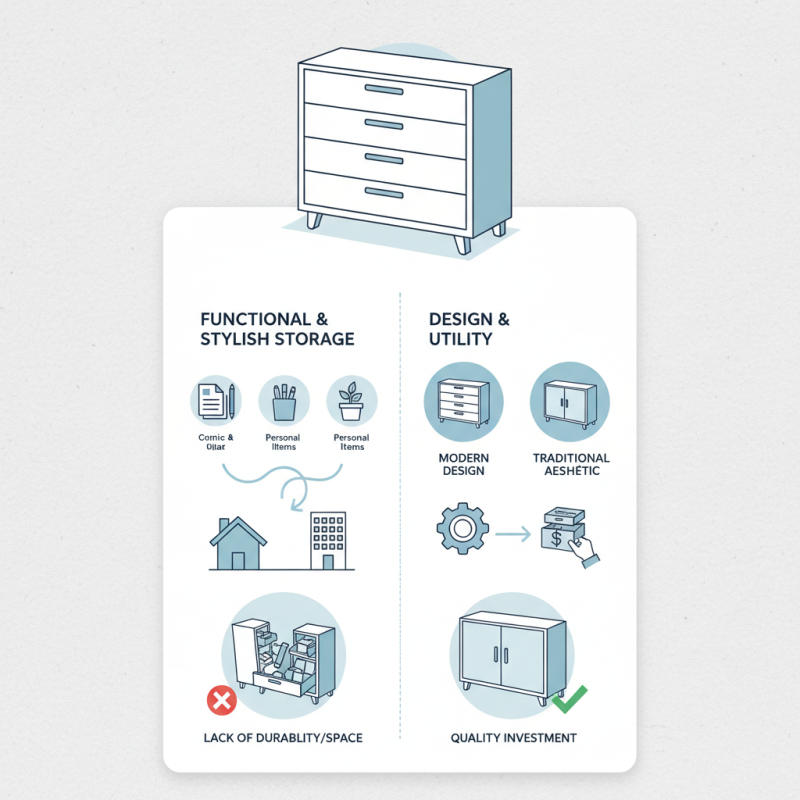
A Drawer Cabinet is more than just furniture. It serves as a functional and stylish storage solution. Organizing home or office spaces becomes easier with a Drawer Cabinet. It provides the perfect place for documents, office supplies, and personal items.
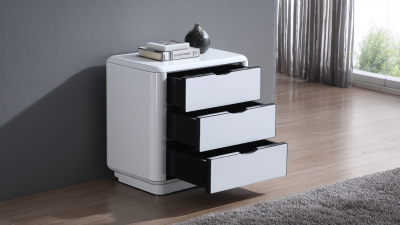
The design of a Drawer Cabinet can vary, catering to different needs. Some may feature sleek, modern lines, while others have a more traditional aesthetic. Regardless of style, the key is utility. A well-constructed Drawer Cabinet enhances both organization and accessibility. Over time, it can be a game-changer for cluttered spaces.
However, not all Drawer Cabinets are created equal. Some may lack durability or adequate space. It's essential to reflect on what truly fits your needs. Investing in a quality Drawer Cabinet means choosing one that combines style with practicality. This furniture piece should complement your living area while serving its purpose effectively.
What is a Drawer Cabinet?
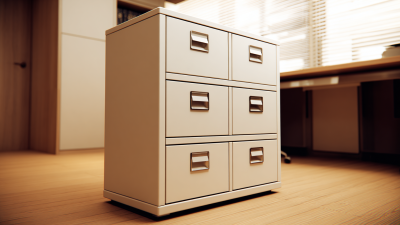
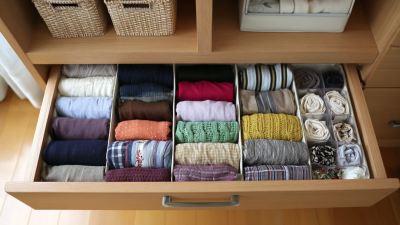
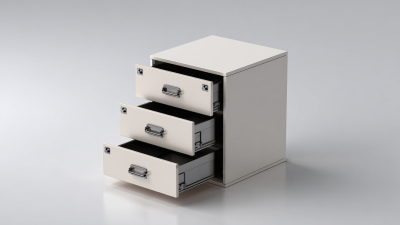
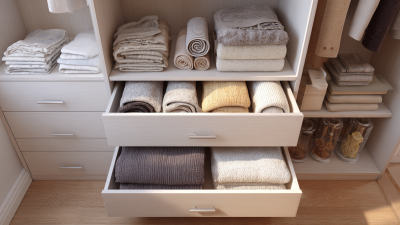
A drawer cabinet is a versatile storage solution designed for both home and office use. These cabinets typically feature multiple drawers, providing organized space for various items. Imagine having a dedicated place for important documents, office supplies, or even kitchen utensils. This organization can lead to improved efficiency in any environment.
The construction of a drawer cabinet is an essential aspect of its functionality. Solid materials are often used to ensure durability. However, not all drawer cabinets are created equal. Some may wobble or have faulty sliders, causing frustration. It’s important to choose wisely. A reliable cabinet can blend style with practicality, helping to declutter your space while enhancing aesthetics. Yet, it’s easy to overlook maintenance. Cleaning out drawers periodically can prevent accumulation of unnecessary items, which ironically contributes to clutter.
Incorporating a drawer cabinet into your life means embracing organization. It encourages a habit of putting things back in their designated spots. However, the journey can be imperfect. Some might end up using drawers as catch-alls for miscellaneous items. Awareness of this tendency can lead to better utilization of space, making drawers work for you, not against you. Having a structured method in place helps you reflect on what you truly need.
Drawer Cabinet Popularity by Material Type
The Historical Evolution of Drawer Cabinets
The historical evolution of drawer cabinets reveals much about our changing needs for organization and design. Initially, simple wooden boxes served as storage solutions. These early designs focused on practicality, making them accessible and easy to use. According to a 2021 industry report, the global cabinet market has grown by 4.5% annually, indicating an increasing demand for more sophisticated storage options.
As craftsmanship evolved, drawer cabinets became more intricate. During the Renaissance, artists and craftsmen began incorporating elaborate designs. This shift reflected a growing emphasis on aesthetics alongside functionality. By the 18th century, specialized drawer cabinets emerged in homes, filled with treasures and documents. The need for secure and organized storage became vital, showcasing the cabinet's role in domestic spaces.
Modern advancements have introduced diverse materials, such as eco-friendly composites and metals. However, while we have varieties today, some designs can still lack efficiency. Many cabinets appear trendy but fall short in practical use. The challenge remains to balance aesthetics with functionality. It's crucial to reflect on how our storage choices impact our daily routines and living environments.
What is a Drawer Cabinet and Why Do You Need One? - The Historical Evolution of Drawer Cabinets
| Feature |
Description |
Historical Context |
Modern Use Cases |
| Storage Capacity |
Multiple drawers allow organization of various items. |
Originated in the 16th century as storage solutions for valuables. |
Used in offices, kitchens, and living rooms for efficient space management. |
| Material |
Typically made of wood, metal, or composite materials. |
Early cabinets were made from solid hardwoods, emphasizing craftsmanship. |
Modern designs may incorporate recycled materials for sustainability. |
| Design Variability |
Available in various styles and finishes to match decor. |
Evolution of styles from ornate designs to minimalist aesthetics. |
Customizable options for residential and commercial use. |
| Functionality |
Facilitates easy access to stored items with sliding drawers. |
Initially served as multi-purpose furniture for treasure storage. |
Now includes file cabinets, tool storage, and craft organizers. |
| Cultural Significance |
Represents the evolution of furniture design and function. |
Signified wealth and status in historical contexts. |
Enhances interior design while offering practicality in modern homes. |
Key Features and Components of Drawer Cabinets
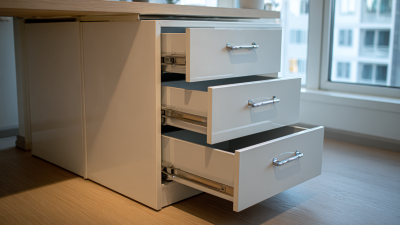
Drawer cabinets are versatile storage solutions found in many homes and offices. They come with a variety of key features that enhance functionality. A common component is the sliding mechanism. This allows drawers to open smoothly, even when fully loaded. High-quality runners can ensure durability, crucial for everyday use.
Another important aspect is the material used in construction. Many drawer cabinets are made from wood, metal, or composite materials. Each type offers distinct benefits. For instance, wood provides warmth and aesthetics, while metal ensures strength and longevity. When selecting a drawer cabinet, it's vital to consider how it fits your space.
Let’s not overlook size and organization. A well-sized cabinet can help maintain order. However, it can be tempting to overload drawers. This often leads to clutter and frustration during searches. Reflecting on this, it’s better to periodically declutter drawers for optimal use. Proper organization not only saves time but also enhances productivity.
Benefits of Using a Drawer Cabinet in Your Space
Drawer cabinets are essential for modern organization within any space. Their versatility is evident in both homes and offices, allowing for efficient storage solutions. According to recent studies from organizing experts, 72% of people report feeling less stressed in well-organized environments. This statistic highlights the psychological benefits of having a drawer cabinet to declutter and streamline your area.
In addition to promoting calm, drawer cabinets can maximize space efficiency. The average household wastes about 30% of its usable space due to poor organization. By utilizing drawer cabinets, you can make better use of vertical and horizontal space, keeping items easily accessible. This strategy is especially beneficial in smaller rooms, where every inch matters.
Tip: When selecting a drawer cabinet, consider its size and function. Choose one that fits your specific needs while allowing for room to grow. Also, think creatively about how to tackle clutter. Use drawer dividers to keep items separated and organized. This simple addition can save time and frustration when searching for essentials.
Choosing the Right Drawer Cabinet for Your Needs
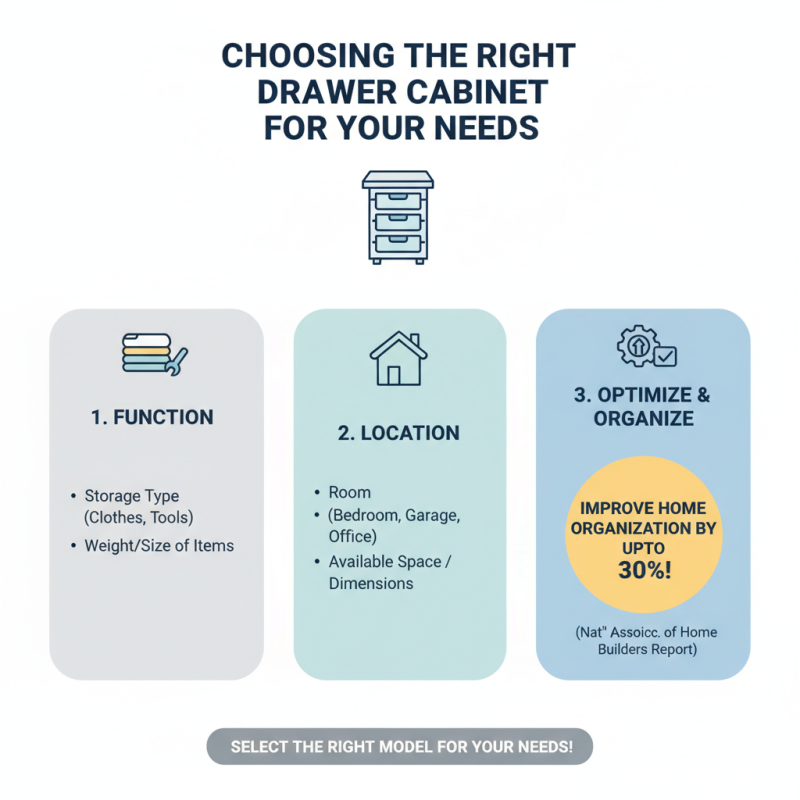
When choosing the right drawer cabinet, consider its function and location. A well-designed cabinet can optimize your space. According to a report from the National Association of Home Builders, efficient storage solutions can improve home organization by up to 30%. This data highlights the importance of selecting the right model for your needs.
Think about the size, style, and materials. Metal cabinets offer durability, while wooden options provide warmth. Ensure the drawer depth meets your storage requirements. Typical drawer dimensions vary, but a depth of 18 inches is often effective for most uses.
**Tip:** Measure your space accurately before purchasing. Keep in mind that aesthetics matter, too. A cabinet should complement your decor. Investing in a quality cabinet is worth it, as it can last for years.
Another consideration is the type of items you plan to store. Drawer cabinets must support the weight of heavy items if needed. The American Institute of Architects suggests checking weight limits.
**Tip:** Always assess your storage needs and adjust accordingly. Reflecting on these factors can lead to better decision-making in your purchase process.