Leave Your Message

What Is a Filing Cabinet and What Types Are Available?

A Filing Cabinet is more than a metal box beside a desk. It is a practical system for storing, protecting, and retrieving documents. Productivity expert David Allen offers a useful principle: “Your mind is for having ideas, not holding them.” A well-planned filing cabinet supports that principle by keeping paper records visible, organized, and accessible.

This guide examines the main filing cabinet types available today. Vertical cabinets suit narrow offices and limited wall space. Lateral cabinets provide wider drawers, easier file browsing, and better side-to-side access. Mobile cabinets can move beneath desks, while fire-resistant models offer added protection for sensitive records. Lockable designs may also help control access in shared workplaces. Materials matter too. Powder-coated steel usually handles daily use better than lightweight plastic, although plastic can work well in low-demand home offices.

Choosing the right model requires more than counting drawers. Measure the available floor space. Check drawer extension, weight capacity, label placement, and compatibility with letter or legal-size folders. A practical inspection often reveals small problems, such as drawers that scrape, handles that loosen, or labels that become unreadable. These details seem minor. They are not.

The category is less simple than it appears. A cabinet may look sturdy yet waste valuable space. Another may be attractive but unsuitable for heavy files. This overview compares each type by capacity, security, mobility, durability, and daily convenience. It also considers where common choices fall short, because no filing cabinet solves every storage problem.
What Is a Filing Cabinet and What Types Are Available?

Definition and Purpose of a Filing Cabinet

A filing cabinet is a storage unit designed to organize paper documents in folders. It usually has drawers, rails, and a lockable frame. Its purpose is simple: keep records protected, labeled, and easy to retrieve. In an office, a cabinet may hold invoices, contracts, personnel forms, or project notes. At home, it can store tax papers, warranties, medical records, and school documents. Good filing starts with a clear naming system, not expensive furniture.

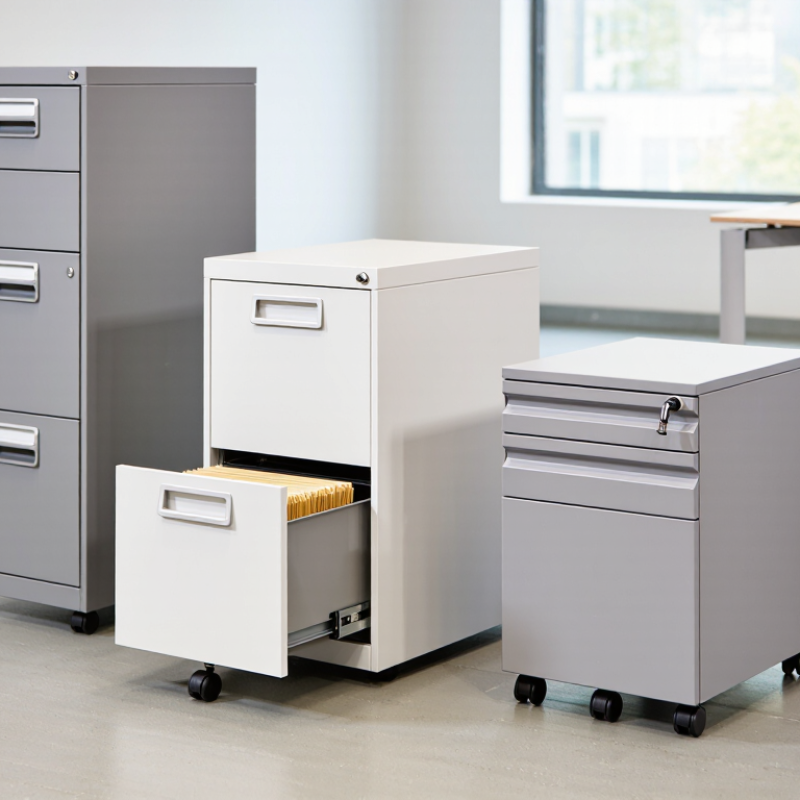
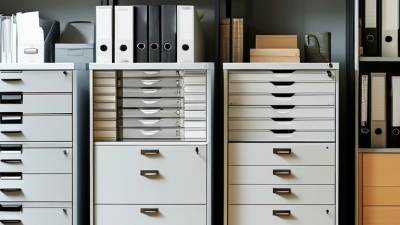
Vertical filing cabinets use tall drawers and fit well beside a desk. Lateral cabinets are wider, so folders can be viewed from left to right. They often provide a stable surface for equipment or supplies. Mobile cabinets include casters and can move between work areas. Fire-resistant models offer added protection for selected paper records, although they still need sensible placement and maintenance. Open shelving is another option, but it provides less privacy and may collect dust.

Choosing a cabinet depends on document volume, room size, access frequency, and security needs. Measure the floor space and drawer depth before buying. Check whether folders slide smoothly and whether the lock works reliably. A practical cabinet should reduce searching, not create another task. I have found that over-labeling can slow people down. A few consistent categories often work better. Filing systems are never perfect. Review them occasionally, remove duplicates, and question whether every paper still deserves a drawer.
Key Components and How Filing Cabinets Work

A filing cabinet is a storage unit designed to keep documents organized and protected. Its main parts include the cabinet body, drawers, rails, handles, locks, and label holders. Each component has a practical purpose. The body provides structural support. Drawers hold folders in an upright or horizontal position. Rails guide the drawers smoothly, while handles allow controlled movement. Label holders make records easier to identify during busy work.

The drawer system is central to how a filing cabinet works. When you pull a drawer, metal rails carry its weight and limit side-to-side movement. Ball-bearing rails usually offer smoother operation than basic sliding channels. A locking mechanism can secure one drawer or the entire cabinet. Some designs use an interlock system, which prevents several drawers from opening together. This reduces the risk of tipping. It matters more than many people expect.

Different cabinet types suit different spaces. Vertical cabinets use narrow drawers and save floor area. Lateral cabinets have wider drawers and make files easier to scan from left to right. Mobile cabinets include casters, so teams can reposition them carefully. Fire-resistant models use insulated layers to slow heat transfer. Their performance depends on construction, maintenance, and proper installation. No cabinet is completely maintenance-free.

In daily use, even weight distribution helps the rails last longer. Overloaded drawers may stick, bend, or become unsafe. I have found that clear labels save more time than larger storage capacity. That observation is not universal, but it is useful. A well-designed cabinet supports accurate filing without making routine work feel complicated.

Main Types of Filing Cabinets

A filing cabinet is a storage unit designed to organize paper records securely. From my experience, the right type depends on available space, document volume, and retrieval habits. Vertical filing cabinets use tall drawers and fit narrow areas. They work well beside desks or along small office walls. Lateral filing cabinets are wider and usually provide easier access. Their drawers can hold folders across a broad surface.

Mobile filing cabinets include casters, so staff can move them when layouts change. They often fit beneath desks, but their capacity is limited. Pedestal cabinets combine drawers for files with smaller compartments for stationery. Fire-resistant cabinets use insulated construction to protect important paper records during high heat. Their protection level should be checked through verified testing information. Open shelving is another practical option for active files, although it offers less privacy and dust protection. No single cabinet suits every office.

Tips: Measure the doorway, floor space, and drawer clearance before purchasing. Check the load rating and confirm that drawers open smoothly when fully loaded. An anti-tip mechanism is important for taller units. Locking drawers can reduce casual access, but they are not a complete security plan. I once underestimated folder weight, and the drawers became difficult to operate. Leave some spare capacity for new records. Also review retention needs regularly, because storing everything forever creates clutter and weakens organization.

What Is a Filing Cabinet and What Types Are Available? - Main Types of Filing Cabinets

Filing Cabinet Type Typical Configuration Common File Orientation Typical Capacity Security and Mobility Best Suited For Main Advantages Potential Limitations
Vertical Filing Cabinet Usually 2–5 drawers arranged from top to bottom Front-to-back filing Approximately 2,000–5,000 letter-size sheets, depending on drawer count and fill level Often available with a central lock; generally stationary and may include an anti-tip mechanism Individual offices, home offices, and areas with limited floor width Uses vertical space efficiently and provides organized access to separate file categories Deep drawers can be less convenient to access, and the cabinet may be less stable when heavily loaded at the top
Lateral Filing Cabinet Wide cabinet with 1–4 drawers or open filing sections Side-to-side filing Approximately 2,000–8,000 sheets, based on width and number of drawers Lockable models are common; usually stationary, with some units fitted with leveling feet Shared work areas, reception spaces, and departments handling many active files Provides quick visibility of folders and can also function as a low room divider or work surface Requires more horizontal floor space and may be difficult to move when fully loaded
Mobile Filing Cabinet Compact 2–3 drawer unit mounted on casters Usually front-to-back filing Approximately 500–1,500 sheets, depending on drawer size Frequently includes lockable drawers and casters; some casters can be locked in place Personal workstations, flexible offices, and shared desks Easy to reposition and can fit beneath or beside many desks Offers less storage than full-size cabinets and should not be overloaded while being moved
Fire-Resistant Filing Cabinet Heavy-duty cabinet with insulated drawers or compartments Vertical or lateral, depending on the design Commonly 1–4 drawers; capacity is lower than a similar-sized standard cabinet because of insulation Designed to protect paper records from heat for a tested period; generally stationary and very heavy Storage of essential paper records, contracts, certificates, and other critical documents Adds protection against fire-related heat and smoke exposure when used according to its rating Higher cost, substantial weight, and limited protection for digital media unless specifically rated for it
Lockable Security Filing Cabinet Single- or multi-drawer cabinet with a keyed, combination, or electronic lock Vertical or lateral Varies widely; commonly 1–5 drawers Restricts access to stored documents; some models include reinforced bodies or interlocking drawers Personnel records, financial documents, confidential forms, and controlled files Improves privacy and supports controlled access in shared environments A lock does not automatically provide fire or water protection, and keys or access codes must be managed securely
Open-Shelf Filing Cabinet Horizontal shelves or compartments without drawers Side-to-side or upright shelf filing Depends on shelf width and height; typically suitable for frequently accessed folders Usually not lockable; stationary and intended for accessible records Libraries, archives, reception areas, and departments with high retrieval frequency Makes labels easy to see and allows fast filing and retrieval Provides little privacy and leaves documents more exposed to dust and unauthorized access
Card or Index Filing Cabinet Small drawers designed for index cards, forms, or compact records Front-to-back card filing Often holds hundreds to several thousand cards, depending on card size and drawer count May include a basic lock; generally stationary or desktop-sized Small inventories, visitor records, catalog systems, and legacy card-based filing Compact and well suited to small-format records Not suitable for standard letter-size folders or bulky documents
Plan or Blueprint Filing Cabinet Wide, shallow drawers designed for large-format sheets Flat filing Typically 5–15 drawers, with each drawer holding large drawings or maps laid flat Some units can be locked; usually stationary because of their large footprint and weight Architectural drawings, engineering plans, maps, artwork, and oversized documents Keeps large sheets flat, reducing folding and creasing Takes considerable floor space and is not designed for ordinary hanging folders

Note: Actual capacity, dimensions, lock features, fire ratings, and permitted paper sizes vary by cabinet design. Always check the manufacturer’s specifications and the relevant safety rating before purchase.

Materials, Sizes, and Storage Configurations

A filing cabinet is a lockable storage unit for documents, folders, and small office records. Its material affects durability, weight, appearance, and fire performance. Powder-coated steel remains common because it resists dents and supports heavy drawers. Wood-based panels create a warmer workplace feel, but edges can swell near damp floors. Recycled plastic is lighter, though it may flex under uneven loads. The 2023 BIFMA Sustainability Standard emphasizes material disclosure, durability, and responsible manufacturing. That matters more than a glossy finish.

Sizes should match both records and movement. A vertical cabinet uses a small floor area and often holds letter-size folders in two to five drawers. Lateral cabinets are wider, so users can view files from left to right. They also need more wall clearance. In my workplace assessments, a 36-inch-wide unit often feels easier to organize than a narrow cabinet. That is not universal. Crowded drawers quickly become useless. A 2024 office furniture market report by Grand View Research projected growth through 2030, reflecting continued demand for adaptable storage. Yet market growth does not prove every cabinet deserves purchase.

Storage configurations include open shelves, roll-out drawers, tambour doors, and mixed compartments. Drawers suit confidential files and daily retrieval. Shelves handle binders, archive boxes, and equipment. Lockable options add control, but they do not replace access procedures. The U.S. General Services Administration recommends considering load capacity, stability, and clearances in workplace equipment planning. Check drawer extension and anti-tip features before installation. Small details matter. A cabinet that looks efficient can still waste space when handles collide with desks.

What Is a Filing Cabinet? Typical Sizes by Storage Configuration

Representative external dimensions of common filing cabinet types, measured in inches.

Vertical cabinets use stacked drawers and usually require less floor width, while lateral cabinets provide wider side-to-side filing and easier access. Mobile pedestal cabinets are compact and designed for use under or beside a desk. Actual dimensions vary by model, but these representative sizes show the typical differences in width, depth, and height.

How to Choose the Right Filing Cabinet for Your Needs

A filing cabinet is a storage unit designed to protect and organize paper records. Common types include vertical cabinets, lateral cabinets, mobile pedestals, and fire-resistant models. Vertical cabinets use narrow drawers and suit limited floor space. Lateral cabinets are wider, so folders are easier to view side by side. Mobile units fit beneath desks and work well in flexible offices.

Choosing the right cabinet begins with your filing habits. Estimate your current folders and allow room for future growth. Measure the available space, including drawer clearance and walking paths. Check the drawer depth, weight capacity, and suspension quality. Heavy records need smooth, reinforced runners. Otherwise, the cabinet may become difficult to open or unsafe to use.

Security also matters. Select a lock if records contain confidential information, and check how easily authorized staff can access it. For important paper archives, independently verified fire-resistance ratings may be worthwhile. I once chose a cabinet based only on its exterior size. The drawers were too shallow for standard folders, which wasted space. That mistake taught me to test folder fit before buying. A stable, level cabinet with an anti-tip mechanism is usually a safer workplace choice. Good storage is rarely the cheapest option.