The Ultimate Guide to Choosing the Best Document Cabinet for Your Needs
Selecting the right Document Cabinet is essential for optimizing office organization and ensuring the security of important documents. With the increasing volume of paperwork and the need for efficient storage solutions, the global document storage market is projected to grow at a CAGR of 5.4%, reaching $7.5 billion by 2025, according to a recent industry analysis by Research And Markets. This growth reflects the increasing reliance on physical document storage, even in our digital age, underscoring the importance of investing in the right cabinet to suit your specific needs.
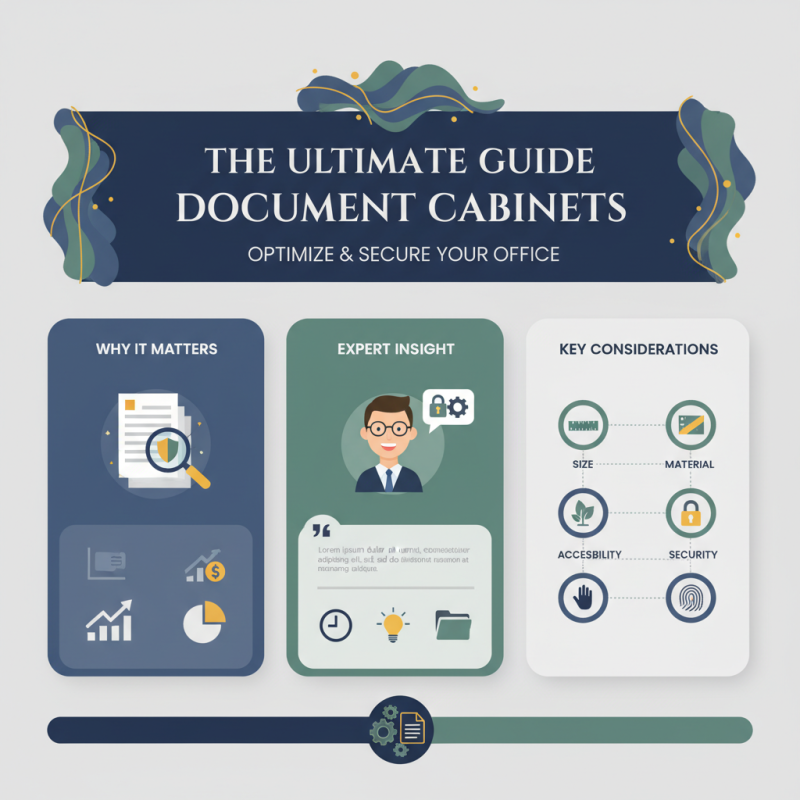
John Smith, a leading expert in office furniture design, emphasizes the significance of choosing a Document Cabinet that aligns with your workflow: "A well-chosen Document Cabinet not only enhances productivity but also protects vital information from unauthorized access." As professionals seek to create both functional and aesthetically pleasing workplaces, the demand for innovative document storage solutions has surged. Factors such as size, material, accessibility, and security features should be considered carefully to ensure that your Document Cabinet meets both current and future organizational needs effectively.
Choosing the Right Size for Your Document Cabinet
When choosing the right size for your document cabinet, consider how much storage space you actually need. It's essential to assess the volume of documents you plan to store, along with any future needs. Measure the space available in your office or home where the cabinet will reside, ensuring you can accommodate it comfortably. A standard filing cabinet typically measures around 18 inches deep, but widths can vary, so prioritize the dimensions that best fit your environment.
**Tips:** Before purchasing, organize your documents into categories. This will give you a clearer idea of how many drawers or shelves you will need. Additionally, think about whether you require a vertical or lateral cabinet; vertical cabinets save floor space, while lateral ones offer easier access to documents.
Remember to factor in accessibility when choosing the size of your cabinet. If you'll frequently retrieve files, opt for a cabinet that is not too high, making it easy to reach the top drawers. For larger document collections or the need for frequently accessed files, a multi-drawer cabinet could be a practical choice.
**Tips:** Consider investing in a cabinet with adjustable shelving. This flexibility can help you optimize the space as your storage needs evolve over time, allowing you to organize documents of varying sizes efficiently.
The Ultimate Guide to Choosing the Best Document Cabinet for Your Needs
This chart represents the most common sizes preferred for document cabinets based on survey data. The data shows the percentage of respondents who prefer each size for their document organization needs.
Understanding Different Types of Document Cabinets
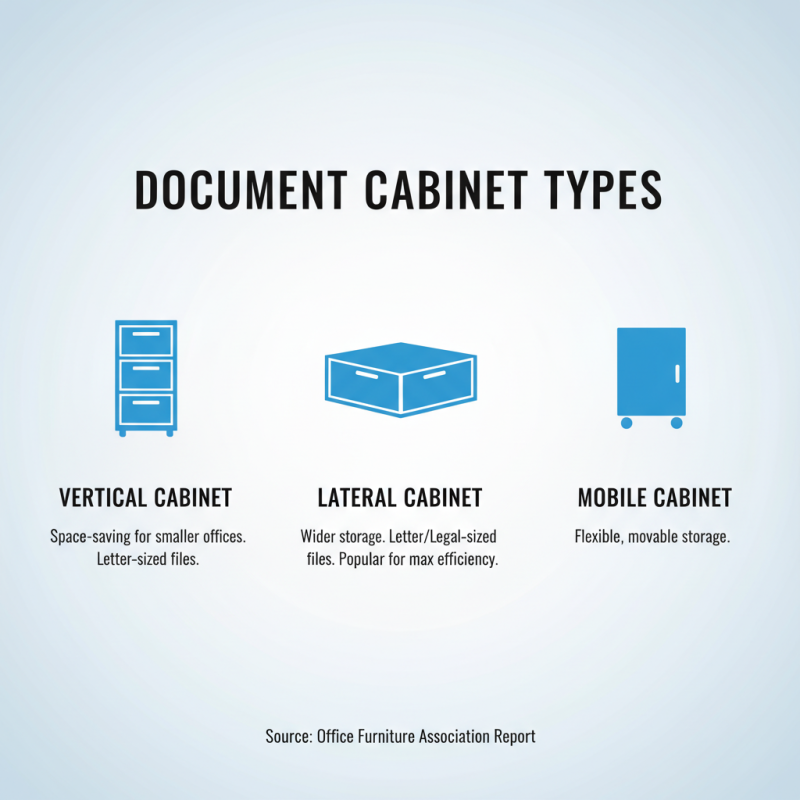
When selecting a document cabinet, it's essential to understand the different types available in order to meet your business or personal needs effectively. Generally, document cabinets can be categorized into vertical, lateral, and mobile filing cabinets. Vertical cabinets are space-efficient and ideal for smaller offices, offering several drawers stacked one on top of the other, typically used for letter-sized documents. In contrast, lateral cabinets provide a wider storage option, allowing files to be stored side by side in drawers that can accommodate both letter and legal-sized documents. According to a recent report by the Office Furniture Association, lateral cabinets are becoming increasingly popular among businesses aiming to maximize their workspace efficiency.
Moreover, mobile filing cabinets are designed for flexibility and accessibility. These units come on wheels, making it easy to shift them as needed within an office space. A study conducted by the Workplace Resource Group found that organizations using mobile cabinets reported a 20% improvement in document retrieval times. This demonstrates the growing trend toward flexible office solutions that cater to dynamic work environments. Additionally, security features such as locking mechanisms are crucial for safeguarding sensitive documents, and many modern document cabinets now come equipped with advanced locking systems that enhance data protection while maintaining organization.
Ultimately, understanding these types of document cabinets—and their unique functionalities—can greatly influence your choice. Whether you require a compact option, a spacious lateral unit, or a versatile mobile cabinet, evaluating these factors will ensure you select the right storage solution tailored to your specific organizational needs.
Key Features to Look for in a Document Cabinet
When choosing the best document cabinet for your needs, there are several key features to consider that can significantly impact organization and security. First and foremost, assess the cabinet's size and capacity. Ensure it has enough space to accommodate your documents, whether in manila folders, binders, or loose paper. An adjustable shelving option can be beneficial, allowing you to modify the interior space as your document storage requirements evolve.
Another critical feature to look for is the locking mechanism. For sensitive documents, a cabinet with a secure lock is essential. Look for cabinets that offer either traditional key locks or more modern electronic locking systems, providing an added layer of security against unauthorized access. Additionally, consider the material and build quality of the cabinet. Metal cabinets tend to be more durable and secure compared to wooden alternatives, which might be more aesthetically pleasing but less secure.
Tips: When shopping for a document cabinet, always prioritize functionality over aesthetics. A visually appealing cabinet that lacks practicality may not serve your needs effectively. Also, measure your available space carefully before purchasing to ensure the cabinet fits without sacrificing mobility or accessibility. Lastly, when organizing your documents, ensure to label shelves or sections clearly, simplifying retrieval and enhancing overall efficiency.
Assessing Material Quality and Durability
When selecting a document cabinet, assessing the quality of materials and durability is crucial to ensure it meets your long-term organizational needs. The materials used can significantly impact the cabinet’s resilience against wear and tear.
For example, steel cabinets often provide superior strength and security, making them ideal for safeguarding sensitive documents. On the other hand, wooden cabinets can offer a more aesthetic appeal, but it’s essential to ensure they are constructed from high-quality hardwood or engineered wood to withstand daily usage without warping or chipping.
Durability goes beyond just the exterior materials; it also involves the cabinet’s construction and design. Look for features such as reinforced corners, sturdy hinges, and mechanisms that ensure smooth operation of drawers or doors. Cabinets with a powder-coated finish or treated surfaces can enhance resistance to scratches and damage, further extending their lifespan. Additionally, consider the weight capacity of shelves and drawers to ensure they can handle your specific document storage needs without compromising structural integrity. This meticulous attention to detail in material and craftsmanship not only fosters a functional workspace but also contributes to a reliable, lasting investment in your organizational system.
Budgeting for Your Ideal Document Cabinet
When budgeting for your ideal document cabinet, it’s essential to consider both your current and future needs. Start by determining how much space you require for documents now and whether you anticipate needing more as your collection grows. Plan for the size and number of drawers or shelves that you’d need, which will help you gauge how much you should invest upfront. Remember, finding the right balance between cost and functionality will ensure you don't overspend on unnecessary features.
Tips: Before making a purchase, create a list of your must-have features versus optional ones. This will help you remain focused during your search and avoid impulse buys. Additionally, consider the overall quality of the cabinet. While it may be tempting to go for the cheapest option, investing in a more robust model can save money in the long run, as it may last longer and provide better security for your documents.
Another key factor in your budget is deciding on the material. Document cabinets come in various materials, including metal, wood, and plastic. Each material varies in cost and durability. For instance, metal cabinets might be pricier but offer greater security and longevity, making them a sound investment for important documents. Assess your priorities and how much you are willing to allocate for each material type to help refine your options.
The Ultimate Guide to Choosing the Best Document Cabinet for Your Needs - Budgeting for Your Ideal Document Cabinet
| Feature |
Budget Option |
Mid-Range Option |
Premium Option |
| Material |
Plastic |
Metal |
Solid Wood |
| Capacity |
Up to 100 files |
100 to 300 files |
300+ files |
| Price Range |
$50 - $100 |
$100 - $300 |
$300 - $700 |
| Lock Mechanism |
No Lock |
Key Lock |
Electronic Lock |
| Weight |
Lightweight |
Medium Weight |
Heavy Duty |
| Warranty |
1 Year |
3 Years |
5 Years |