The Ultimate Guide to Choosing the Right File Cabinet for Your Office Needs
In today's fast-paced business environment, the organization and efficiency of an office space are paramount. A well-chosen file cabinet not only enhances productivity but also contributes to a streamlined workflow. According to a report by the International Association of Business Communication, effective document management can save businesses up to 20% of time spent on paperwork. File cabinets play a crucial role in this process, providing a secure and accessible solution for storing vital documents while minimizing clutter.
Moreover, the rise of remote work and hybrid office models has transformed the way businesses approach their filing needs. Research from the American Society of Interior Designers indicates that well-organized office spaces can improve employee morale and efficiency by as much as 25%. This highlights the importance of selecting the right file cabinet that aligns with specific office requirements, ensuring that employees can easily access necessary information while maintaining an organized workspace.
In this ultimate guide, we will explore the various factors to consider when choosing the right file cabinet for your office needs. From size and material to security features and design, understanding these elements will empower you to make informed decisions that not only support efficient document management but also enhance the overall functionality of your office environment.
Understanding Different Types of File Cabinets for Office Use
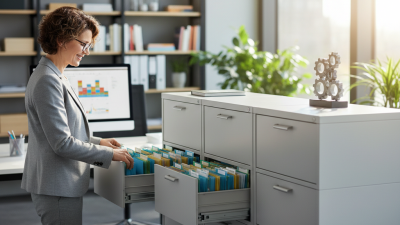
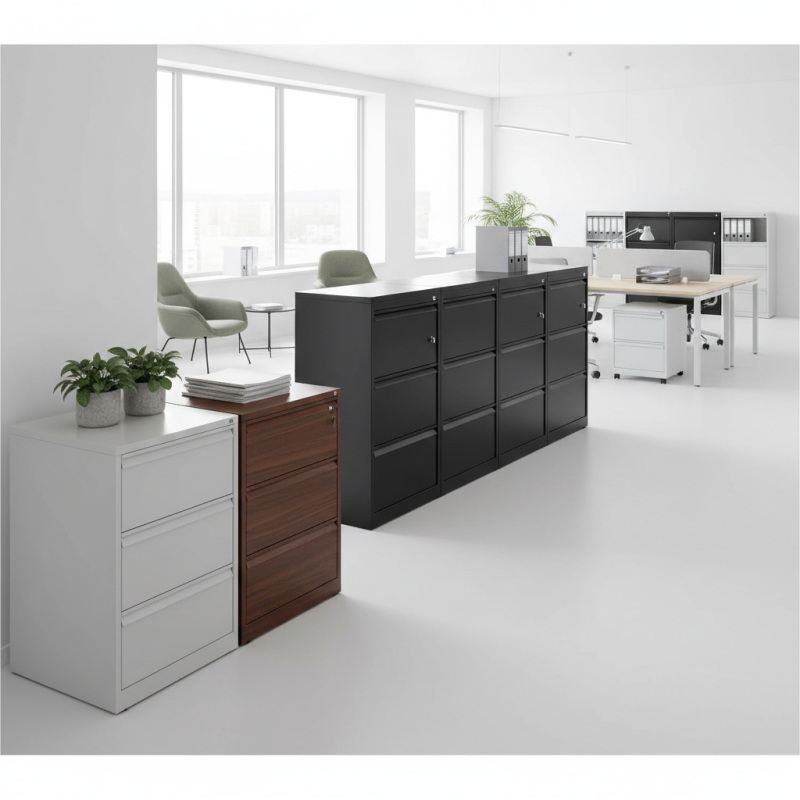
When it comes to selecting a file cabinet for your office, understanding the different types available is crucial for meeting your organizational needs. File cabinets generally come in two main styles: vertical and lateral. Vertical cabinets are tall and narrow, making them a great choice for offices with limited space. They typically hold letter or legal-sized documents and feature several drawers stacked on top of one another. On the other hand, lateral cabinets offer wider drawers that can accommodate more files side by side, providing easier access to documents and allowing you to maximize available wall space.
Tips for choosing the right file cabinet include considering the volume of documents you need to store and the frequency with which you need to access them. If you frequently refer to certain files, a lateral cabinet may be more beneficial due to its easier accessibility. Additionally, think about the locking mechanisms available if security is a concern; some cabinets come with built-in locks, offering added protection for sensitive documents.
Another important factor is material and durability. Metal cabinets tend to be more robust and secure, while wooden cabinets can add a touch of elegance to your office decor. Remember to check the weight capacity of the drawers; overloading them can lead to mechanical failure and damage. By carefully evaluating these factors and aligning them with your office's specific needs, you can make an informed decision on the most suitable file cabinet for your workspace.
The Frequency of Different Types of File Cabinets Used in Offices
Assessing Your Office Space and Storage Needs
Assessing your office space and storage needs is a crucial first step in selecting the right file cabinet. According to a report by the International Facility Management Association (IFMA), 68% of employees in office environments feel that clutter negatively affects their productivity, highlighting the importance of effective storage solutions. Before making a purchase, you should evaluate the available space in your office and how much document storage you genuinely require. Consider factors such as the types of documents you need to store, the frequency with which you access them, and any legal requirements regarding document retention.
Additionally, a study by the Society for Human Resource Management (SHRM) indicates that companies can improve organizational efficiency by 20% through effective space management. Understanding your office layout, including both the footprint of your cabinetry and the overall organization of your workspace, is essential. For instance, a compact file cabinet might work well in smaller offices or remote work environments where maximizing space is critical, whereas larger organizations may benefit from modular systems that allow for scalability. By addressing these considerations, you can ensure that your file cabinet choice meets both current and future needs, creating an organized and productive workspace.
The Ultimate Guide to Choosing the Right File Cabinet for Your Office Needs
| File Cabinet Type |
Size (Width x Depth x Height) |
Material |
Storage Capacity (Legal/Letter) |
Locking Mechanism |
| Vertical File Cabinet |
15" x 25" x 52" |
Steel |
3 Legal or 6 Letter |
Yes |
| Lateral File Cabinet |
36" x 18" x 30" |
Wood |
4 Legal or 8 Letter |
No |
| Mobile File Cabinet |
18" x 20" x 24" |
Metal |
1 Legal or 3 Letter |
Yes |
| Fireproof File Cabinet |
36" x 24" x 59" |
Steel |
2 Legal or 4 Letter |
Yes |
| Wooden File Cabinet |
30" x 18" x 48" |
Wood |
3 Legal or 6 Letter |
No |
Evaluating Materials and Durability of File Cabinets
When selecting a file cabinet for your office, evaluating materials and durability is crucial to ensure that your investment lasts. File cabinets come in a variety of materials, including metal, wood, and laminate. Metal file cabinets are known for their robust construction, making them ideal for high-traffic office environments where durability is paramount. They are resistant to dents and scratches, which helps maintain a professional appearance over time. On the other hand, wooden file cabinets can bring warmth and style to your office but may require additional care to prevent wear and tear.
Tips: Always check the gauge of the metal when choosing a file cabinet; a lower gauge indicates thicker steel, which generally translates to better durability. Additionally, ensure any wooden options have a solid veneer, as this adds to the cabinet's longevity.
In terms of durability, drawer mechanisms are another critical factor. Look for cabinets with smooth gliding tracks and sturdy handles, as these details indicate quality craftsmanship. The weight capacity of the drawers is also essential to consider, especially if you plan to store heavy documents or equipment. A cabinet that cannot handle the weight can lead to functional issues and safety hazards.
Tips: Test the drawers in-store if possible. Open and close them multiple times to ensure they operate smoothly and assess their stability when fully loaded.
Features to Consider: Security, Mobility, and Accessibility
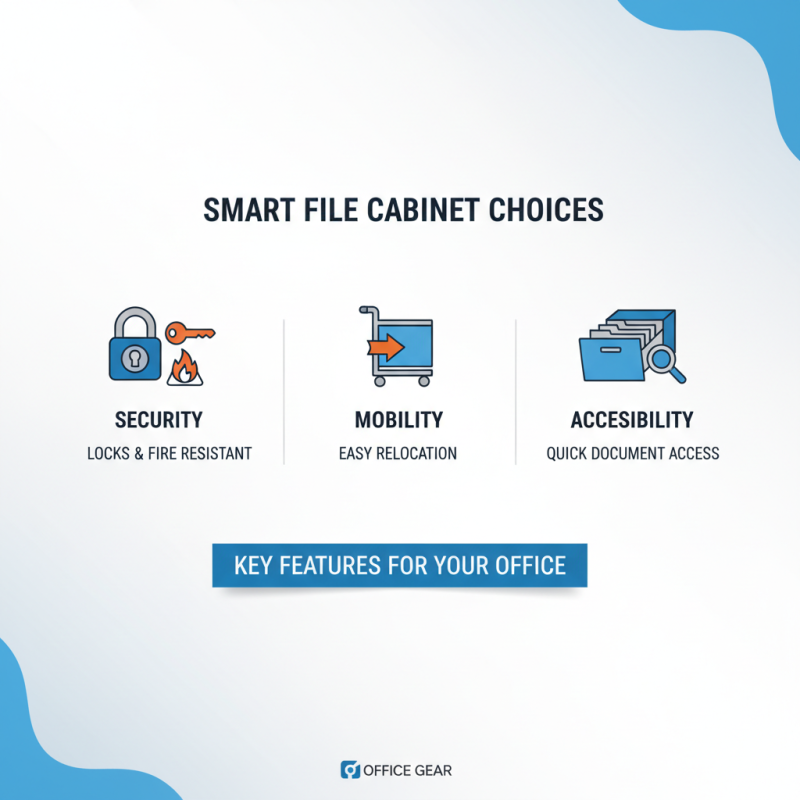
When selecting a file cabinet for your office, security, mobility, and accessibility are paramount features to consider. Security is crucial for protecting sensitive documents from unauthorized access. Look for cabinets equipped with locking mechanisms, such as combination locks or key locks, to ensure that confidential information remains secure. Additionally, consider file cabinets that offer fire-resistant properties, protecting your documents from unexpected emergencies.
Mobility is another important aspect, especially for dynamic office environments. A file cabinet on wheels can easily be moved for reorganization or office layout changes, providing flexibility in space usage. It's also beneficial to choose a cabinet with a compact design, maximizing your space without compromising on storage capacity.
Finally, accessibility should not be overlooked. A well-designed file cabinet should facilitate easy access to files, which can enhance productivity. Look for features like pull-out drawers with smooth gliding systems and label holders for quick identification of contents. A cabinet with adjustable shelving can further accommodate varying file sizes, ensuring that your office remains organized and efficient.
Budgeting for Your Ideal File Cabinet Solutions
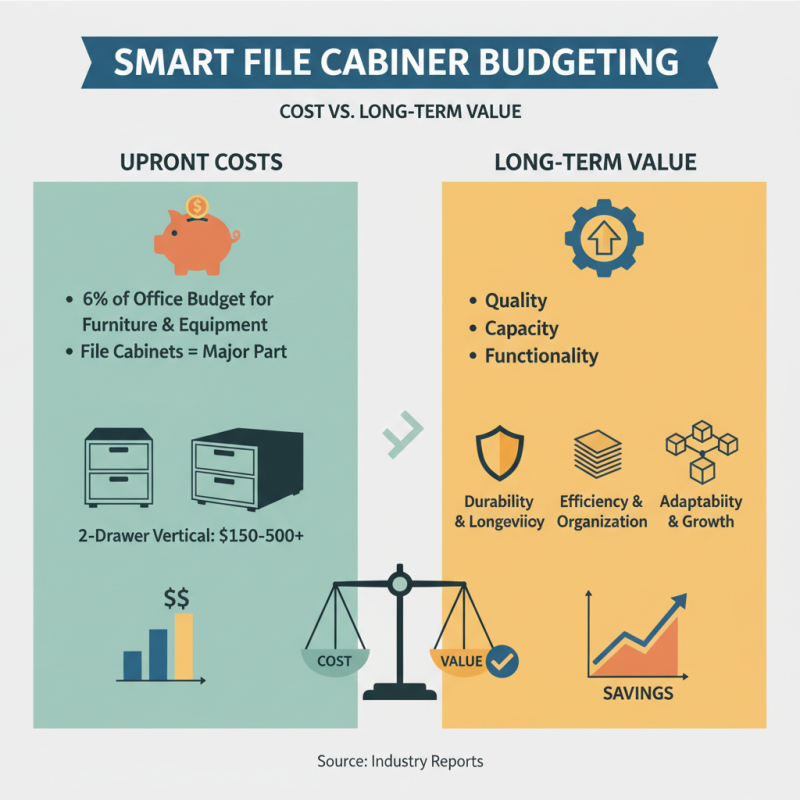
When budgeting for your ideal file cabinet solutions, it's crucial to consider both upfront costs and long-term value. Industry reports indicate that businesses allocate approximately 6% of their office budget on furniture and equipment, with file cabinets being a significant portion of that expenditure. Quality, capacity, and functionality directly impact pricing; a standard two-drawer vertical file cabinet can range from $150 to $500, while high-capacity lateral cabinets can go upwards of $800.
Moreover, assessing the total cost of ownership is essential for informed decision-making. An article from the Office Furniture Report highlights that investing in durable, high-quality cabinets can reduce replacement frequency and maintenance costs by up to 35% over time. Businesses should also consider factors such as warranty, accessibility, and organizational features that contribute to efficiency while ensuring compliance with document retention regulations. Taking these aspects into account not only refines budget efforts but can ultimately lead to improved productivity and office organization.