How to Choose the Best 3 Drawer Cabinet for Your Needs?
Choosing the right 3 Drawer Cabinet requires more than comparing prices or finishes. It requires understanding the room, the user, and the items being stored.
Industry reports show why storage decisions deserve closer attention. Grand View Research identifies home furniture as a large and expanding global market, while Fortune Business Insights reports continued growth in office furniture demand. These reports cover broad furniture categories, not only drawer cabinets. Still, they reveal an important pattern: buyers increasingly value flexible, space-efficient furniture for changing work and living spaces.
A 3 Drawer Cabinet should match its daily workload. Measure the available width, depth, and clearance first. A cabinet that fits beside a desk may block a drawer when the chair is pulled back. Check drawer capacity, slide quality, locking options, and weight limits. Paper files need different support from tools, cosmetics, or children’s supplies. Small details matter.
Professional organizer Julie Morgenstern promotes the principle, “A place for everything, and everything in its place,” in her organizing work. That idea remains practical here. Each drawer should have a clear role. Labels can help.
My experience with storage furniture is less perfect than catalog photographs suggest. Drawers become mixed when routines change. Soft-close hardware can also fail when overloaded. No checklist is perfect. The best choice balances current needs with likely changes, while leaving enough room for honest adjustment.
Define Your Storage Needs and Available Space
Before choosing a three-drawer cabinet, define what must live inside it. According to the National Association of Home Builders’ What Home Buyers Want report, 86% of buyers value a laundry room, and 69% want a walk-in pantry. These figures show a clear demand for practical storage, not decoration alone.
Measure the available width, depth, and height carefully. Include skirting boards, door swings, handles, and nearby appliances. A cabinet may fit on paper but block a walkway in daily use. I once measured the wall correctly and still forgot the baseboard. That small mistake changed the cabinet position. Allow at least 90 centimetres of comfortable walking space where possible. Check drawer extension clearance, especially beside ovens or doors. Then divide your storage needs by drawer function. Use the shallow top drawer for utensils or cables. Reserve deeper drawers for folded towels, tools, or cookware. Heavy items need strong runners and a stable frame.
Tips: Measure twice. Use masking tape to mark the cabinet footprint. Test the opening path with a cardboard box. Keep frequently used items between waist and shoulder height. Leave breathing room. A little unused space may feel inefficient, but overcrowded drawers become difficult to open and maintain. Review the cabinet after one week of real use; your first arrangement may not be the best one.
Compare Materials, Construction, and Weight Capacity
How to Choose the Best 3 Drawer Cabinet for Your Needs?
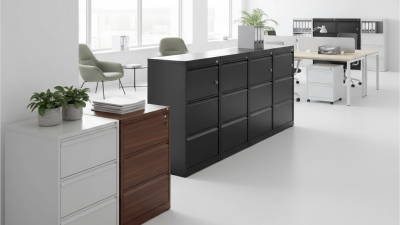
Material affects durability, weight, and maintenance. Steel cabinets resist dents and support heavier loads. Particleboard costs less, but moisture can swell exposed edges. Solid wood feels warmer, though its drawers may become heavy when fully loaded. ANSI/BIFMA X5.9 evaluates storage units through drawer-cycle, static-load, and stability testing. Look for test evidence, not vague claims. A smooth drawer is not automatically a strong drawer.
Construction deserves close inspection. Check whether drawers use full-extension runners, reinforced bottoms, and mechanical fasteners. A 3 mm steel body usually offers more rigidity than thin sheet metal, but thickness alone cannot prove quality. Weight capacity must be stated per drawer, not only for the entire cabinet. A 30 kg total rating can mean just 10 kg per drawer. The Occupational Safety and Health Administration recommends keeping storage stable and preventing tipping hazards. Anti-tip interlocks matter, especially when several drawers open together.
Tips: Place heavier files in the lowest drawer. Leave clearance behind the cabinet. Test each drawer with real materials before purchase. The ANSI/BIFMA standard is useful, but it cannot predict every home or office habit. I once trusted a high capacity label too quickly; the drawer bottom still sagged under uneven loads. That small mistake changed how I inspect construction. Examine welds, corner joints, runner alignment, and the cabinet’s levelers. Good details are quiet. Weak ones usually appear later.
How to Choose the Best 3 Drawer Cabinet for Your Needs?
Compare materials, construction, and typical weight capacity before choosing a three-drawer cabinet.
Steel cabinets generally provide the highest load capacity and durable ball-bearing runners. Solid wood cabinets offer strong construction with dovetail joints, while engineered wood and molded plastic are lighter and usually better suited to light household storage. The capacities shown are representative typical ratings per drawer; always confirm the manufacturer’s stated limit for the specific cabinet.
Evaluate Drawer Features, Organization, and Accessibility
How to Choose the Best 3 Drawer Cabinet for Your Needs?
A three-drawer cabinet should make daily storage easier, not simply fill an empty corner. Measure the available space first, including door clearance and walking room. Each drawer should open smoothly without striking nearby furniture. Full-extension runners let you reach items at the back. Soft-close mechanisms reduce noise and protect fingers during busy routines. Check the stated weight capacity, especially for tools, files, or kitchen supplies.
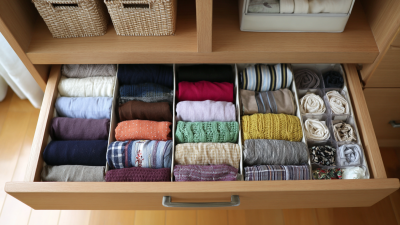
Drawer depth matters as much as cabinet width. Use the top drawer for small, frequently used items, such as keys, chargers, or writing tools. The middle drawer can hold folded accessories or office materials. Reserve the lowest drawer for heavier objects, but avoid overloading it. Clear labels improve organization, although labels can become outdated. I once arranged drawers by item type, then discovered that daily-use items needed a different layout. Accessibility should guide the system.
Tips:
Sit or stand near the cabinet before choosing its height. Test each handle with one hand. Choose smooth edges and visible drawer interiors. Leave space for opening fully. If several people share the cabinet, use simple labels and consistent categories. Recheck the arrangement after one week. Adjust it when real habits disagree with your original plan.
Choose a Style, Size, and Color for Your Room
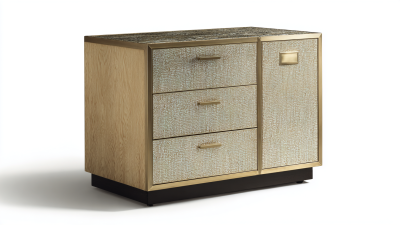
Choosing the best three-drawer cabinet begins with your room’s visual language, not the drawer count. A simple cabinet suits Scandinavian, modern, or compact interiors, while paneled wood fits warmer, traditional rooms. Measure the available wall space and walking path carefully. Leave enough clearance for fully opened drawers. In a narrow bedroom, a shallow cabinet may work better than a taller, heavier design.
Size should match both the room and your storage habits. Use the top drawer for small items, the middle drawer for daily clothing, and the bottom drawer for less-used belongings. Check drawer depth before buying. Some drawers appear spacious but lose capacity through thick side panels. I once chose a cabinet that looked elegant, yet its drawers could not hold folded sweaters comfortably. That mistake changed how I judge furniture.
Color can quietly control the room’s mood. White or pale oak can brighten a dim corner, while walnut or charcoal adds visual weight. Match the cabinet with nearby flooring, bed frames, or wall tones, but avoid forcing an exact match. Slight contrast often looks more natural. Examine the finish under daylight and warm lamps, because colors can shift noticeably. Reliable construction also matters: smooth drawer movement, stable legs, strong joints, and low-odor finishes indicate thoughtful manufacturing. Touch the edges. Look underneath. Small details sometimes reveal more than attractive photographs.
Check Safety, Maintenance, Assembly, and Overall Value
Choosing a three-drawer cabinet starts with safety, not appearance.
Check its stated load capacity and confirm each drawer moves smoothly. A wide, stable base matters on uneven floors. Anti-tip hardware is valuable, especially in homes with children or pets. Drawer stops should prevent accidental removal. Inspect sharp corners, loose handles, and exposed fasteners before regular use. Small defects can become serious annoyances.
Maintenance is usually simple, but consistency matters.
Wipe spills quickly with a slightly damp cloth. Avoid soaking wood-based panels, because swollen edges rarely recover well. Metal parts may need occasional tightening. Listen for scraping sounds or uneven movement. These signs often appear before a runner fails. I once ignored a loose screw and damaged a drawer front. That was avoidable. Still, some maintenance instructions are too vague, so measure carefully before using unfamiliar cleaners.
Assembly can change the cabinet’s value more than its price suggests.
Count every part before starting, and separate screws by size. Build on a soft, level surface to reduce scratches and alignment problems. Do not force a panel into place. Recheck the frame if drawers sit unevenly. A cabinet with a lower price may demand more time, tools, or replacement hardware. Consider warranty terms, material thickness, repair access, and expected daily use. A reliable choice should remain practical after assembly, not only look attractive in a product photograph.