Top File Cabinets of 2025: Choosing the Best for Your Home Office
As the landscape of remote work continues to evolve, the importance of a well-organized home office cannot be overstated. Among the essential pieces of furniture that contribute to an efficient workspace, the file cabinet stands out as a crucial element for maintaining order and accessibility. In 2025, selecting the best file cabinet for your home office goes beyond just aesthetics; it encompasses functionality, security, and space optimization. With various styles and designs available, understanding the features that cater to your specific needs can significantly enhance your productivity and workspace environment.
File cabinets are not merely storage solutions; they are vital components that help keep important documents and resources within reach while also promoting a clutter-free area. Choosing a file cabinet involves considering several factors, such as the size of your office, the volume of paperwork you manage, and your personal organization preferences. Whether you require a compact unit for a small setup or a more extensive system for a bustling home office, the right file cabinet can make all the difference in maintaining an efficient workflow. This guide will assist you in navigating the myriad options available, ensuring that you find the perfect file cabinet tailored to your home office needs.

Top Features to Look for in Modern File Cabinets for Home Offices
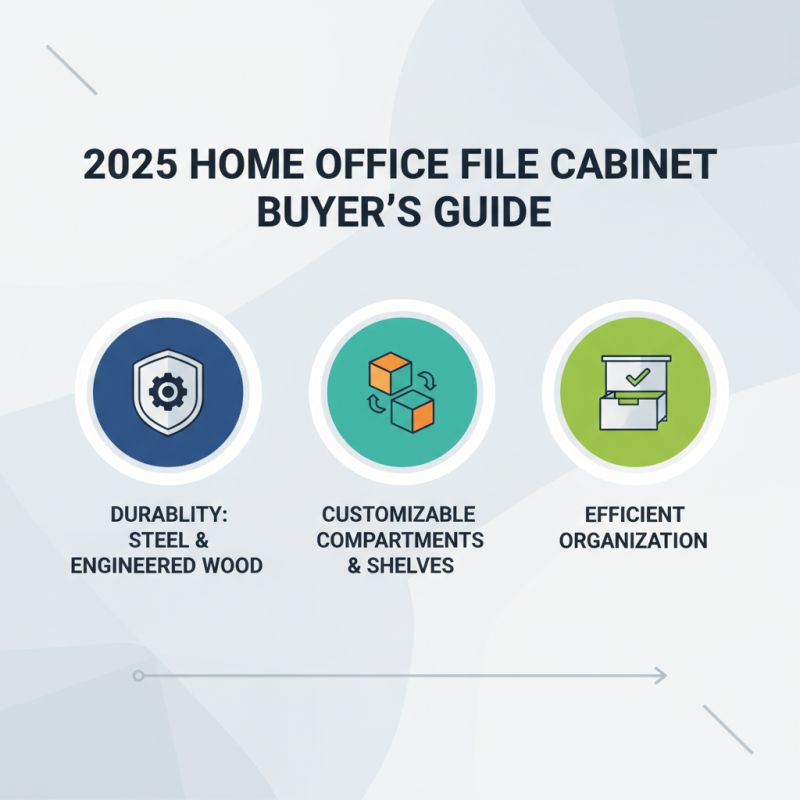
When selecting a file cabinet for your home office in 2025, there are several key features to prioritize. First and foremost is durability. Modern file cabinets made from high-quality materials, such as steel or robust engineered wood, ensure longevity and can withstand daily use. Additionally, consider cabinets that offer customizable compartments and adjustable shelves. This flexibility allows you to organize documents, supplies, and personal items efficiently, catering to your specific organizational needs.
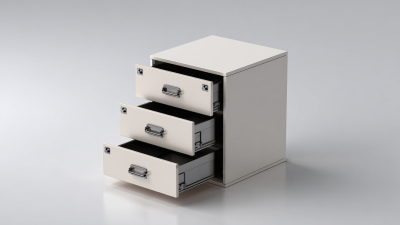
Another crucial aspect to look for is security. Many contemporary file cabinets now come equipped with locking mechanisms to protect sensitive information. Look for options that offer both a combination lock and a key lock for enhanced security. Furthermore, ergonomic design features, such as pull-out trays or slide-out shelves, make accessing and sorting your files more convenient. By focusing on these essential characteristics, you can select a file cabinet that not only complements your home office aesthetic but also enhances your productivity and organization.
Comparative Analysis of Material Durability: Metal vs. Wood File Cabinets
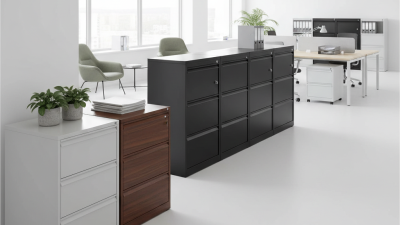
When selecting a file cabinet for your home office, understanding the durability and practicality of materials is crucial. Metal and wood file cabinets each offer distinct advantages. Metal options are generally recognized for their resilience against wear and tear, making them ideal for high-traffic environments. They are often fire-resistant and less susceptible to insect damage, ensuring your documents are protected over time. However, they may lack the aesthetic warmth and character that wooden cabinets bring to a workspace.
On the other hand, wooden file cabinets provide a classic and elegant look that can enhance the overall design of your home office. While they can be prone to scratches and dents, high-quality wood options often come with finishes that can protect against minor damage. Additionally, wood is a more environmentally friendly choice if sourced sustainably, highlighting your commitment to eco-conscious choices.
Tips: When evaluating metal versus wood, consider the overall style of your office. If you want a modern look with durability, metal might be the way to go. However, if your goal is to create a warm, inviting atmosphere, opt for a wooden cabinet. Be mindful of your storage needs as well; metal cabinets often offer a higher weight capacity, which might be necessary for heavy files. Always check for warranties and durability ratings to ensure you make a long-lasting investment.
Innovative Storage Solutions: Vertical vs. Lateral File Cabinet Designs
When it comes to outfitting a home office, the choice between vertical and lateral file cabinets can significantly impact both functionality and aesthetics. Vertical file cabinets are designed to store documents in a space-saving manner. They typically have a smaller footprint, making them ideal for compact spaces. According to a recent report by the Office of National Statistics, an estimated 30% of home office users prioritize compact solutions due to limited space availability. This makes vertical cabinets particularly appealing for urban dwellers or those with minimal square footage.
On the other hand, lateral file cabinets offer broader storage capabilities, allowing for the organization of both documents and larger items, such as books or office supplies. Their horizontal design provides easy access to documents and is often preferred in more spacious home offices. A study conducted by the American Institute of Architects indicates that 45% of home office designs incorporate lateral storage solutions, as they promote a cleaner and more efficient workspace. The choice between these two styles ultimately hinges on the user's specific needs and workspace configuration, highlighting the importance of assessing storage solutions based on available space and personal organizational preferences.
Top File Cabinets of 2025: Vertical vs. Lateral Designs
Ergonomics and Accessibility: Designing a User-Friendly File Cabinet
In the evolving landscape of home offices, ergonomics and accessibility play crucial roles in the design of file cabinets. As remote work continues to rise, the need for user-friendly office furniture has become paramount. According to a recent industry report from the International Ergonomics Association, utilizing ergonomic principles can significantly enhance productivity and well-being, with approximately 80% of workers reporting reduced discomfort when using ergonomically designed office tools. This underscores the importance of selecting file cabinets that not only meet storage needs but also accommodate the physical demands of daily use.
When evaluating file cabinets, features such as height, drawer accessibility, and ease of movement should be prioritized. Research indicates that cabinets designed with adjustable heights can reduce strain associated with bending or reaching. Additionally, cabinets equipped with easy-to-open drawers and smooth gliding mechanisms contribute to a more seamless workflow. Accessibility is further enhanced when designers incorporate elements such as lockable wheels, allowing users to reposition their storage units without hassle. As the home office environment continues to evolve, prioritizing ergonomics in file cabinet design isn't just a trend—it's a necessary shift towards creating more efficient and comfortable workspaces for all.
Top File Cabinets of 2025: Choosing the Best for Your Home Office - Ergonomics and Accessibility: Designing a User-Friendly File Cabinet
| Model |
Capacity (Files) |
Material |
Dimensions (H x W x D) |
Ergonomic Features |
Accessibility Features |
| Model A |
200 |
Steel |
45 x 30 x 20 in |
Adjustable shelves, anti-slip feet |
Easy-reach handles, lockable wheels |
| Model B |
150 |
Wood |
36 x 24 x 18 in |
Soft-close drawers, rounded edges |
Pull-out trays, height-adjustable |
| Model C |
250 |
Metal composite |
42 x 28 x 22 in |
Ergonomic handles, lockable top |
Side access, built-in lighting |
| Model D |
300 |
Recycled materials |
48 x 32 x 24 in |
Telescoping drawers, adjustable leg levelers |
Smart lock system, intuitive design |
Cost-Benefit Analysis: Budgeting for Quality File Cabinets in 2025
When selecting a file cabinet for your home office in 2025, a thorough cost-benefit analysis becomes essential to ensure you make a wise investment. According to a recent industry report by the Office Furniture Industry Association, the average cost of high-quality file cabinets is projected to be around $300 to $700. However, spending slightly more upfront can yield substantial savings over time due to durability and lower replacement rates.
Investing in a cabinet made from quality materials not only gives you operational efficiency but can also improve the aesthetic of your workspace, which has been linked to increased productivity.
Furthermore, the total cost of ownership should also factor in the long-term benefits these cabinets provide. A study by the National Office Furniture Association indicates that a well-designed file cabinet can enhance organization and reduce clutter, resulting in a 20% increase in employee efficiency. On top of that, cabinets with advanced features, like fireproofing or smart lock systems, can offer additional value by protecting sensitive information and documents. As remote work continues to thrive, understanding the cost-benefit ratio will be essential for making a prudent choice that aligns with both your budget and your workspace needs in the upcoming years.