7 Best 2 Drawer Cabinet Options for Global Buyers
Choosing the right 2 Drawer Cabinet can improve storage, workflow, and room organization across many markets. Global buyers often compare more than appearance. They examine drawer capacity, material strength, lock quality, assembly requirements, and shipping dimensions. A cabinet that looks compact may occupy valuable space when opened fully.
This guide reviews seven practical 2 Drawer Cabinet options for offices, workshops, bedrooms, and commercial interiors. Each option is considered through real purchasing concerns, including steel or wood construction, smooth drawer movement, load-bearing performance, surface protection, and maintenance needs. Product availability, certifications, and delivery conditions can vary by country, so buyers should verify current specifications with suppliers. Small details matter. A recessed handle can prevent accidental knocks, while adjustable feet can reduce wobbling on uneven floors.
The best choice depends on the intended use, budget, and operating environment. A powder-coated steel cabinet may suit busy workplaces, while a wood-finish model can better match hospitality or home interiors. Some cabinets offer excellent security but limited drawer height. Others provide generous storage but feel less refined in daily use. No cabinet is perfect. That is worth remembering.
Based on common procurement practices and practical product evaluation, this overview highlights strengths, limitations, and suitable buyer profiles for each model. It does not treat marketing claims as final evidence. Measurements, warranty terms, replacement parts, and packaging quality should still be checked before purchase. A careful comparison can prevent costly returns and improve long-term value.
What Is a Two-Drawer Cabinet and Where Is It Used?
A two-drawer cabinet is a compact storage unit with two stacked compartments, usually fitted with slides, handles, and a lock. It keeps documents, tools, samples, or personal items organized without using a full-height cupboard. The drawers may be steel, engineered wood, or durable polymer. Their construction affects weight, security, moisture resistance, and cleaning needs. In practical purchasing work, I check drawer travel and load ratings before appearance. A smooth handle cannot compensate for a drawer that jams under ordinary files.
It is used in offices, reception areas, classrooms, clinics, workshops, bedrooms, and retail back rooms. Under a desk, it stores daily paperwork and keeps the floor clear. Beside a workbench, it holds fasteners, measuring tools, or maintenance records. In healthcare spaces, smooth surfaces and simple cleaning routines matter greatly. However, not every cabinet belongs in every environment. Humid locations need coated surfaces and protected hardware. Dusty workshops may need tighter runners. For shared workplaces, lockable drawers can support controlled access, but they do not replace proper records management.
For global buyers, compare internal dimensions, flat-pack requirements, carton protection, and replacement hardware availability. A cabinet that fits a local desk may arrive damaged after a long shipment. That risk deserves more attention than glossy photographs. Check whether the stated load applies per drawer or to the whole cabinet. Also review wheel quality, anti-tip design, and assembly instructions in clear language. I sometimes favor a simpler cabinet over a feature-heavy model. Fewer parts usually mean fewer points of failure, though this is not universal. The two-drawer format saves space, but it can become crowded quickly. Measure the items first.
Key Features to Evaluate Before Choosing a Cabinet
When comparing 2 drawer cabinet options for global buyers, inspect construction before appearance. A reliable cabinet should feel stable when both drawers are open. Cold-rolled steel offers strong daily performance, while engineered wood may suit lighter office use. Check the drawer load rating, panel thickness, and weld quality. Small gaps can signal poor alignment.
Drawer movement matters. Test the runners with a fully loaded drawer, not an empty one. Ball-bearing slides usually provide smoother travel and better durability. Soft-close hardware reduces noise, but it may need careful adjustment. Measure the external width, depth, and height against your available space. Also check shipping dimensions. A cabinet that fits the room may not fit through the doorway.
Tips: Request product drawings, material details, and test reports before ordering. Confirm whether locking systems work independently or together. Ask about corrosion protection for humid regions. Review packaging photos, because damaged corners often begin with weak protection. I have seen attractive cabinets fail because their casters were undersized. That detail is easy to miss. Compare warranty terms, replacement parts, and assembly instructions in clear language. Local preferences also matter; handle styles and lock positions may differ across markets. One practical improvement is to test a sample for several weeks before placing a larger order.
7 Best 2-Drawer Cabinet Options for Global Buyers
Compare common two-drawer cabinet configurations by typical external width and approximate load capacity per drawer. The figures represent practical commercial ranges and should be verified against the supplier’s technical specification before purchase.
Key evaluation factors: confirm cabinet dimensions, drawer load rating, material thickness, locking system, corrosion resistance, assembly requirements, and compliance with the destination market’s safety standards.
Seven Top Two-Drawer Cabinet Options for Global Buyers
Seven Top Two-Drawer Cabinet Options for Global Buyers
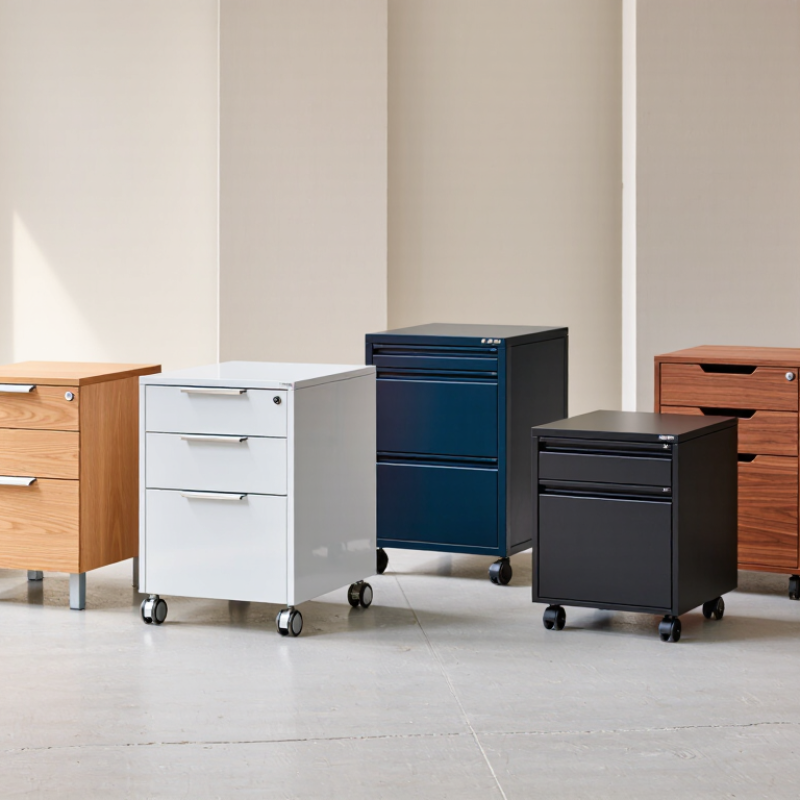
A dependable two-drawer cabinet should match its working environment, not only its appearance. Powder-coated steel suits busy offices and resists everyday knocks. Wood-veneer cabinets offer a warmer look for reception areas and private rooms. Mobile pedestal cabinets save space beneath desks, especially in compact workstations. Lockable document cabinets provide controlled access for sensitive business records.
Fire-resistant two-drawer cabinets add protection where paper storage carries higher risks. Their performance depends on tested ratings and correct installation. Modular cabinets can be combined with shelves, desks, or additional units as teams expand. Recycled-polymer cabinets resist moisture and work well in humid regions. They may feel less substantial than steel, though.
Global buyers should check drawer dimensions, load capacity, corrosion protection, and replacement hardware. A smooth full-extension runner makes daily filing easier. Test the drawer handle before approving a large order. Casters can fail on uneven flooring, and attractive finishes may scratch during shipping. Packaging details matter more than many purchasing teams expect. Ask for material declarations, safety documentation, and clear warranty terms. Regional electrical requirements rarely affect manual cabinets, but fire ratings and chemical finishes can vary by market. There is no universal best option. The right choice depends on climate, security needs, floor space, budget, and expected use.
What International Buyers Should Know About Pricing and Shipping
7 Best 2 Drawer Cabinet Options for Global Buyers
International buyers should compare landed cost, not only the factory price. A two-drawer cabinet may use steel, engineered wood, or solid wood. Each material changes weight, durability, packaging, and freight charges. For example, seven suitable options might include compact office units, mobile pedestals, fire-resistant models, modular cabinets, lockable storage units, bedroom cabinets, and workshop designs. The cheapest option is rarely the cheapest delivered.
Request a detailed quotation with dimensions, net weight, gross weight, carton size, minimum order quantity, and production time. Ask whether prices include export packing, loading, documentation, or inland transport. Ocean freight usually costs less for larger orders, while air freight suits urgent samples. However, small shipments can face surprisingly high handling fees. Confirm the delivery term and destination responsibilities in writing.
Packaging needs practical testing. A cabinet with metal corners may still arrive scratched if drawers move inside the carton. Ask for corner protection, moisture barriers, and drop-test photos. I once underestimated port handling charges on a small trial order. The mistake reduced the expected margin. Since then, I calculate product cost, packing, freight, insurance, duties, and local delivery together. Buyers should also inspect a pre-shipment sample. Measurements can be correct, yet the drawer clearance may feel awkward. Small details matter.