How to Choose the Best Glass Door Storage Cabinet?
Choosing a Glass Door Storage Cabinet is not only about finding a style that suits your room. It also means checking what the cabinet can safely hold, how much space it needs, and whether its doors open comfortably. A narrow hallway, for example, may call for sliding doors, while a dining room cabinet might benefit from adjustable shelves. Measure the available width, height, and depth before comparing models. Measure twice. A few centimeters can change whether a cabinet fits beside a doorway or blocks a walkway.
Pay close attention to the frame, glass, shelf construction, and hardware. Tempered glass may offer greater resistance to impact than ordinary glass, but it is not unbreakable; always check the manufacturer’s specifications. Confirm the stated shelf capacity, especially if you plan to store heavy dishes, books, or display pieces. Consider how visible contents will look, too. Clear glass shows dust and clutter readily, while textured or tinted panels provide more visual discretion. Looks matter.
Think about everyday use, not just the product photos. Are the handles easy to reach? Do the hinges feel sturdy? Can you clean the corners without moving the cabinet? A model can look perfect online and still feel awkward in a real room. That is an easy detail to overlook. Compare dimensions, materials, assembly requirements, and care instructions from reliable product information, then weigh them against your actual storage needs. The best choice is usually the one that fits your space, holds your belongings appropriately, and remains practical to maintain—not simply the most impressive cabinet on display.
Identify Storage Needs and Intended Placement
How to Choose the Best Glass Door Storage Cabinet?
Identify Storage Needs and Intended Placement
Start by listing what the cabinet will hold and how often you need to reach it. Tall bottles, folded linens, and small display pieces need different shelf spacing. Measure your largest items, then check the cabinet’s usable interior dimensions—not just its exterior size. Also consider weight. Heavy dishes or books may need sturdy shelves and closer support. A quick inventory can prevent a cabinet that looks roomy but feels cramped in daily use.
Placement affects both access and durability. Measure the available width, depth, and height, including space for the doors to open fully. Near a dining table, check that an open door will not block a walkway. In a bright room, glass doors can show off neatly arranged objects, but fingerprints and dust may be more visible. Avoid damp areas, and check that the floor is level. I’d leave a little extra clearance, even if the measurements seem exact. Rooms rarely behave like drawings.
Tips: Group items by height before adjusting shelves. Keep frequently used pieces at eye level, and reserve lower shelves for heavier objects. Measure twice. If the cabinet will sit beside a doorway, test the door swing with a piece of tape on the floor. A small mismatch can become a daily annoyance.
Compare Cabinet Size, Capacity, Materials, and Glass Types
Start with the space, not the cabinet’s advertised capacity. Measure floor width, depth, and height, then allow room for doors to swing and people to pass. A cabinet that fits on paper may still crowd a narrow hallway. Measure twice. Also check shelf spacing against the tallest item you plan to store.
Capacity depends on more than the number of shelves. Compare each shelf’s stated weight limit with the dishes, books, or jars you plan to display. Glass shelves look light, but heavy ceramics can make them flex if the support rating is low. Wood-based panels are often affordable; solid wood is sturdy but heavier. Not always better. Metal frames can suit frequent use, while moisture may damage exposed edges or finishes. Inspect construction details, not just material labels.
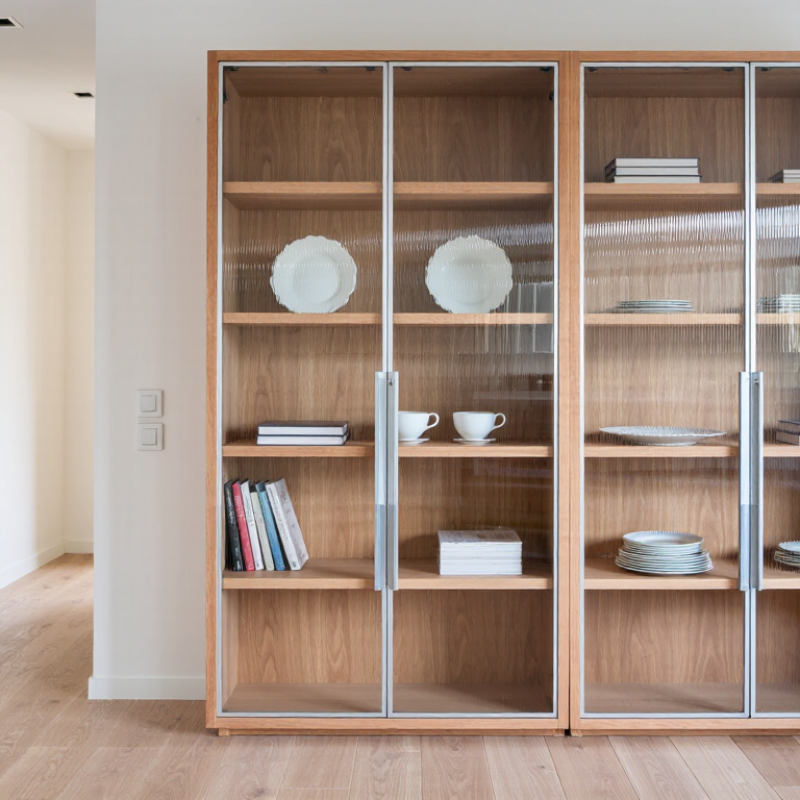
Clear glass keeps contents visible and can make a small room feel open, though it shows fingerprints. Frosted glass softens visual clutter but makes labels and colors harder to see. Tempered glass is designed to handle impact better than ordinary glass, yet it is not unbreakable. Check how the panels are secured, along with the hinges and edges. Capacity estimates are easy to overrate; leaving a little empty space can make items easier to reach.
Assess Shelving, Door Hardware, Stability, and Safety
Check the shelves before judging the cabinet’s appearance. Glass shelves should sit firmly in their supports, with no sharp, chipped edges. Adjustable positions help fit tall bottles or folded linens, but each shelf still has a weight limit. Check the maker’s stated capacity rather than guessing from glass thickness. Leave a little space between objects; crowded shelves are harder to clean and easier to bump. Small detail, big difference.
Open and close each door several times. Hinges should move smoothly, and the doors should meet without scraping or drifting open. A loose handle or uneven gap may signal poor alignment. Look for secure shelf clips and a catch that holds the door without a hard slam. Stability matters too. A cabinet can look sturdy and still wobble. Place it on a level floor, adjust its feet if available, and use the supplied wall restraint when appropriate. For safety, confirm that the glass is identified as safety glass and follow the installation instructions. I once overlooked floor slope; the doors kept sliding until the cabinet was leveled. Not glamorous, but useful.
Consider Style, Visibility, Cleaning, and Security
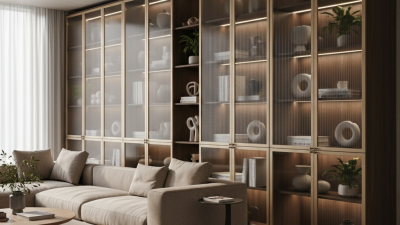
A glass-door cabinet should suit the room before it displays anything. Slim black frames feel crisp; wood frames soften a dining room. Clear glass exposes every object, while ribbed or frosted panes blur clutter. Choose visibility deliberately. Place frequently used cups at eye level, with enough space between pieces to avoid a crowded look. Fingerprints show quickly, especially beside handles. A microfiber cloth and mild cleaner usually do the job; abrasive pads can scratch surfaces or hardware. The National Glass Association says tempered glass is about four times stronger than annealed glass, but it can still break.
Security depends on more than pane type. Consider a lock when children or shared spaces make access a concern, and check that hinges cannot be easily lifted. Anchor tall cabinets to a wall. The U.S. Consumer Product Safety Commission’s 2023 tip-over report recorded 581 related deaths during 2000–2021; 472 involved children aged 17 or younger. Those figures concern furniture and television tip-overs, not glass-door break-ins, but they make stability part of a sensible cabinet choice. One detail is easy to overlook: a lock may protect the contents, while an unstable cabinet remains a hazard.