What Is a 2 Drawer Cabinet Used For?
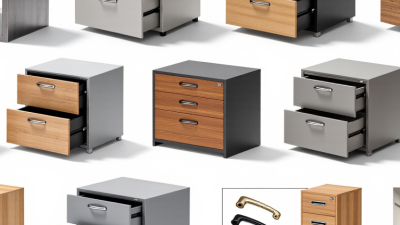
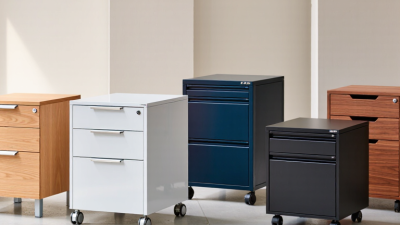
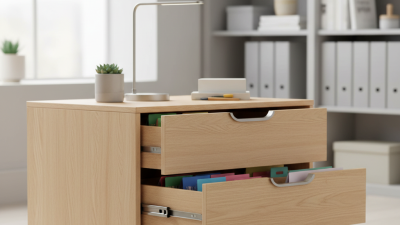
A 2 Drawer Cabinet is a compact storage solution for homes, offices, studios, and small commercial spaces. Its two separate drawers help users sort documents, tools, stationery, clothing, or personal items without needing a large cupboard. In a home office, the upper drawer can hold daily paperwork, while the lower drawer stores notebooks, cables, and spare supplies. That simple division reduces visual clutter and makes frequently used items easier to reach.
Professional organizer Julie Morgenstern says, “The key to organizing is to make sure everything you own has a place.” This principle explains why a 2 Drawer Cabinet remains useful in modern interiors. It creates assigned storage without occupying much floor space. Many models fit beneath desks, beside workstations, or near an entryway. Some include lockable drawers, smooth runners, reinforced frames, or label holders. These details matter when security, durability, and quick access are important.
Still, a 2 Drawer Cabinet is not perfect for every purpose. Its capacity may feel limited in a busy workplace. Deep drawers can also become disorganized when items are placed randomly. I have found that clear labels and simple categories usually work better than overfilling. Measure the available space before buying. Check drawer weight limits, materials, handle quality, and stability. The best choice depends on what you store, how often you use it, and how much order you realistically maintain. Storage should support your routine, not create another chore.
What Is a Two-Drawer Cabinet? ANSI/BIFMA X5.9 Storage-Unit Standards
What Is a 2 Drawer Cabinet Used For?
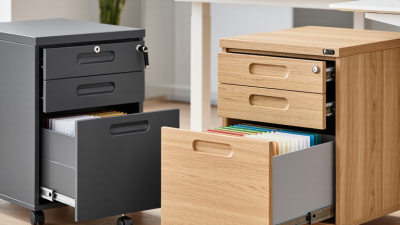
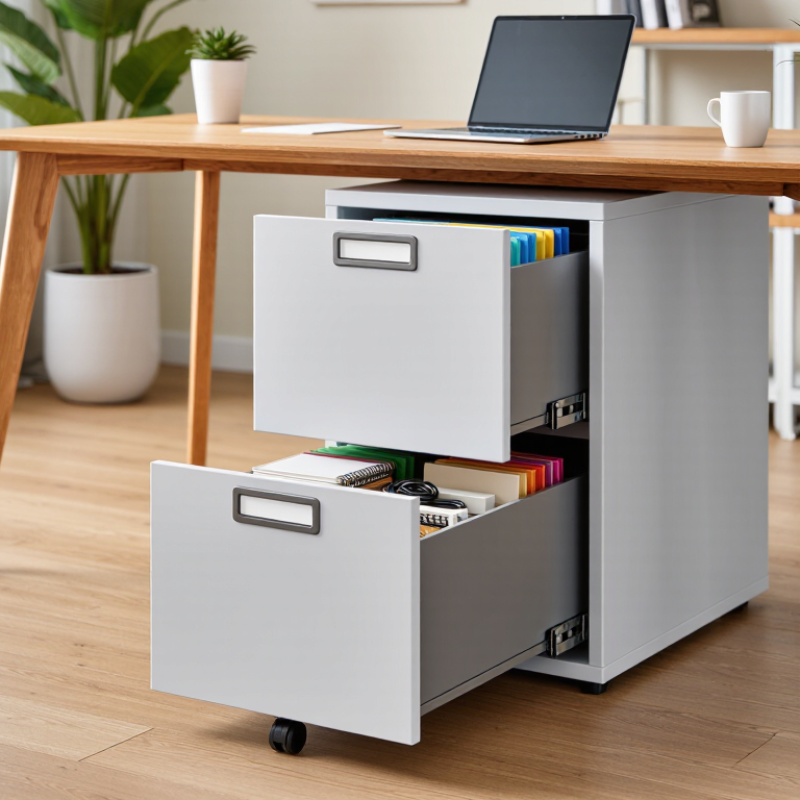
A two-drawer cabinet stores documents, stationery, tools, or personal items close to the workstation. Its compact footprint suits offices, reception areas, classrooms, and home workspaces. One drawer may hold active files, while the lower drawer stores less frequently used supplies. A label, hanging-file frame, and smooth drawer extension make daily retrieval faster.
The key question is not only capacity. It is performance. ANSI/BIFMA X5.9-2019, the Storage Units standard, addresses structural durability, drawer operation, stability, and related safety performance. Buyers should check the cabinet’s tested load information, drawer travel, locking method, and anti-tip design. A cabinet can look solid but still move during opening. That assumption needs checking.
The U.S. Census Bureau’s 2023 American Community Survey reported that 13.8% of workers usually worked from home. The U.S. Bureau of Labor Statistics also reported in its 2023 American Time Use Survey that 26% of employed people worked at home on an average workday. These figures help explain the demand for smaller, organized storage near desks. In practical use, place heavier files in the lower drawer and avoid overloading one side. Two drawers are convenient, not unlimited. A careful buyer should also verify whether the product was tested as a complete unit, rather than judging quality from appearance alone.
How It Stores Letter Files: 8.5 × 11-Inch Folders and A4 Records
A two-drawer cabinet is designed for organized, accessible document storage. Each drawer typically holds hanging folders for letter-size files, measuring 8.5 × 11 inches. These folders fit common office forms, invoices, personnel records, and project notes without folding the pages.
For A4 records, the fit depends on the drawer’s internal rails. A4 paper measures 210 × 297 millimeters, so it is slightly narrower and taller than letter paper. Adjustable rails can support both formats, but not every cabinet does this well. Check the usable drawer depth and rail spacing before filing. In daily office use, a simple label on the front edge prevents repeated searching. Color-coded folders can also separate active files from archived records.
The two-drawer layout works well for small offices, reception areas, and home workspaces. One drawer can store current letter files, while the other holds A4 documents or less frequently used records. I once mixed both sizes in one drawer, and the taller A4 folders caught on the frame. It was a small mistake, but it slowed filing every day. Keep folders upright, avoid overfilling them, and leave enough space for smooth opening. A cabinet may look spacious, yet crowded files become difficult to remove and easier to misplace. Labels should show the subject and year, not vague terms like “miscellaneous.”
How to Match Drawer Size, Capacity, and Manufacturer Load Ratings
A 2 drawer cabinet is useful for separating daily tools from less-used supplies. The upper drawer often holds small parts, documents, or stationery. The lower drawer suits heavier items, such as boxed components or files. Drawer size matters more than appearance. A 75 mm-high drawer cannot safely replace a 250 mm file drawer.
Match the internal dimensions with the load, not the advertised exterior size. Measure usable width, depth, and height after allowing space for runners. A drawer rated for 45 kg should not automatically carry 90 kg when both drawers are filled. The cabinet frame, slides, handle, and anti-tip system may have different limits. That detail is easy to miss.
ANSI/BIFMA X5.9 provides test methods for storage-unit strength, stability, and drawer performance. Use its tested capacity as a useful benchmark, but read the manufacturer’s exact rating conditions. Some ratings apply per drawer; others apply to evenly distributed loads. OSHA 29 CFR 1910.176(b) also requires stored materials to remain stable and secure. A practical check is simple: place dense items near the drawer’s center, keep heavier loads low, and test smooth opening before final installation. If the drawer flexes, binds, or tilts, the stated capacity is no longer a comfortable working assumption. I would reconsider the layout.
What Is a 2-Drawer Cabinet Used For?
A 2-drawer cabinet is commonly used to separate frequently accessed documents, tools, supplies, or personal items. The chart compares representative drawer sizes, estimated usable volume, and typical load ratings to help match storage capacity with intended use.
Usable volume is estimated from internal drawer dimensions. Load ratings are representative values for common light-, medium-, and heavy-duty cabinet construction; always confirm the actual rating before loading a cabinet.
How Anti-Tip Locks and ANSI/BIFMA Stability Tests Improve Safety
What Is a 2 Drawer Cabinet Used For?
A 2 drawer cabinet stores documents, stationery, tools, and small office equipment. Its compact footprint suits workstations, bedrooms, and shared rooms. Yet storage capacity is only part of its value. Stability matters when drawers are fully loaded. A cabinet carrying paper can become surprisingly heavy. In daily use, users may open one drawer while leaning against another. Small habits create real risks.
Anti-tip locks help prevent both drawers from opening simultaneously. This keeps the center of gravity closer to the cabinet base. The U.S. Consumer Product Safety Commission’s furniture tip-over reports identify young children as a particularly vulnerable group. The reports also show that tip-over injuries continue to occur every year, not only in careless environments. A lock is not magic. Proper anchoring still matters.
ANSI/BIFMA X5.9 testing evaluates office storage products through stability, strength, and functional assessments. These tests can examine loaded drawers, applied forces, and resistance to overturning. They provide a repeatable benchmark for manufacturers and purchasing teams. However, test conditions cannot copy every home or office. Uneven flooring, overloaded drawers, and a climbing child can change the result. Inspectors should check hardware, drawer alignment, wall attachment, and floor contact during installation. The cabinet should feel firm, not merely look secure.
Safety sometimes fails in ordinary details.